2025 Guide: How to Optimize Residential Thermal Storage for Energy Efficiency
As the world moves towards greater energy efficiency and sustainability, the focus on innovative technologies such as Residential Thermal Storage is becoming increasingly vital. Residential Thermal Storage systems allow homeowners to store energy in the form of heat during off-peak hours, enabling a balanced and efficient use of energy throughout the day. With energy demands fluctuating and renewable energy sources on the rise, optimizing these systems will play a crucial role in reducing overall energy consumption and minimizing environmental impacts in the years to come.
In 2025, understanding how to effectively implement and enhance Residential Thermal Storage will not only benefit individual households but also contribute to broader sustainability goals. By leveraging advanced thermal storage technologies, homeowners can maximize their energy efficiency, reduce utility costs, and enhance the comfort of their living spaces. This guide aims to provide practical insights and best practices for optimizing Residential Thermal Storage, ensuring that residents can take full advantage of this innovative solution as we look towards a greener future.
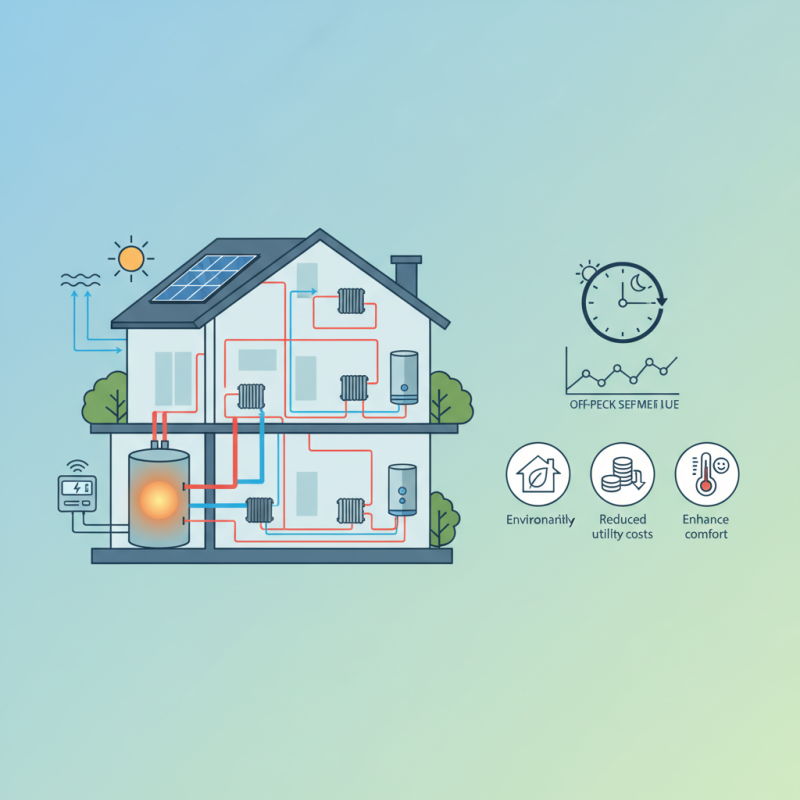
Understanding Residential Thermal Storage Systems and Their Benefits
Residential thermal storage systems are innovative solutions designed to maximize energy efficiency by storing thermal energy for later use. These systems work by harnessing excess energy, often during off-peak hours when energy costs are lower, and converting it into heat. This heat can then be stored in various mediums, such as water or specialized materials, and released when needed, ensuring a comfortable indoor temperature without the need for constant energy input from external sources.
One of the key benefits of residential thermal storage is its ability to reduce energy costs significantly. Homeowners can take advantage of time-of-use electricity pricing by using stored energy during peak periods, minimizing their reliance on high-cost energy supply. Additionally, these systems can enhance grid stability by reducing peak demand, contributing to a more sustainable energy ecosystem. Thermal storage also offers a level of energy independence, as it allows homeowners to utilize renewable energy sources effectively, making it a valuable investment for those looking to improve their energy efficiency while supporting environmental initiatives.
Key Types of Thermal Storage Solutions for Homes
When it comes to optimizing residential thermal storage for energy efficiency, homeowners have several solution types to consider. One popular option is
phase change materials (PCMs), which absorb and release thermal energy during the process of melting and solidifying.
These materials can be incorporated into ceilings, walls, or even furniture to help maintain a stable indoor temperature. By effectively managing heat absorption
during the day and releasing it at night, PCMs can significantly reduce reliance on heating and cooling systems, ultimately lowering energy consumption.
Another effective thermal storage solution is the use of conventional water storage tanks. These systems collect and store excess heat during off-peak energy periods, making it available for use during peak demand.
Homeowners can benefit from solar water heating systems that store hot water for domestic use, ensuring hot water is readily available when needed while taking advantage of
renewable energy sources. Additionally, large water containers can be utilized to leverage lower energy costs when demand is lower, enhancing overall energy efficiency in the home.
Strategies to Optimize Thermal Storage for Enhanced Energy Efficiency
Optimizing thermal storage within residential settings is crucial for enhancing energy efficiency. One of the most effective strategies is to increase the insulation of storage systems.
Proper insulation minimizes heat losses, allowing stored thermal energy to remain effective over longer periods.
Implementing high-quality insulation materials in tanks and surrounding pipes can significantly improve performance.
Additionally, maintaining optimal temperature levels during off-peak energy hours can ensure that energy drawn from these systems is both stable and efficient.
Another critical strategy involves the integration of smart technology for real-time monitoring and control.
By utilizing smart thermostats and sensors, homeowners can track energy use and heating needs more accurately.
This allows for more precise adjustments and scheduling, maximizing the use of thermal storage during periods of lower energy rates.
Combining these technological tools with predictive algorithms can further refine usage patterns, ensuring that energy is stored and released at the most opportune moments.
Engaging in these strategies not only enhances energy efficiency but also contributes to overall cost savings and reduced carbon footprints in residential energy consumption.
Integrating Smart Technology for Effective Thermal Storage Management
Integrating smart technology into residential thermal storage presents an unprecedented opportunity to enhance energy efficiency and optimize energy consumption patterns. A report from the International Energy Agency (IEA) indicates that intelligent control systems can improve the efficiency of thermal storage solutions by up to 30%. These systems leverage real-time data to adjust heating and cooling based on occupancy patterns and energy pricing, ensuring that energy is utilized most effectively during off-peak hours while reducing reliance on peak grid energy.
Moreover, smart technology facilitates better thermal management through advanced forecasting models that predict heating and cooling needs based on weather data and household habits. According to the U.S. Department of Energy, homes equipped with smart thermostats can see a significant reduction in energy usage, with potential savings of approximately 10-12% on heating and cooling bills. Furthermore, integrating thermal storage with smart grids enhances grid stability, enabling households to store energy during periods of low demand and release it when it's most needed, ultimately contributing to a more resilient energy system.
As the shift towards renewable energy sources accelerates, these smart systems are crucial in managing the intermittent nature of renewable power generation. By seamlessly integrating thermal storage with smart technologies, homeowners can not only optimize their energy efficiency but also contribute to broader sustainability goals, aligning with the global push towards net-zero carbon emissions by 2050.
2025 Guide: Optimizing Residential Thermal Storage for Energy Efficiency
This chart illustrates the energy savings potential of integrating smart technology in thermal storage systems across various residential setups. The data reflects estimated energy savings (in percentage) for different configurations using advanced thermal storage management techniques.
Evaluating Costs and Savings of Residential Thermal Storage Systems
As residential thermal storage systems gain traction for energy efficiency, evaluating the associated costs and savings becomes paramount. According to a report from the U.S. Department of Energy, homeowners can save between 20-50% on their energy bills by integrating thermal storage solutions with their heating and cooling systems. By storing excess energy produced during off-peak hours and using it during peak demand times, these systems can significantly reduce reliance on grid electricity, leading to a more stable and lower overall energy cost.
Additionally, a comprehensive analysis by the International Energy Agency (IEA) highlights that thermal storage can help mitigate energy price volatility. It suggests that by 2025, residential thermal storage could provide cumulative savings of over $2 billion annually across energy markets. When assessing the costs, while the initial investment in thermal storage technology can vary, potential long-term savings paired with various government incentives greatly enhance the economic viability of these systems. Proper evaluation of both upfront costs and ongoing savings is essential for homeowners considering thermal storage as a viable option for improving energy efficiency in their residences.