Top Benefits of Solar Array With Battery Storage for Homeowners

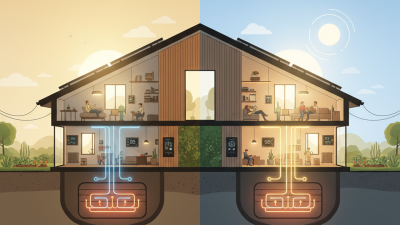
The adoption of a **Solar Array With Battery Storage** is transforming the way homeowners approach energy consumption. With rising energy costs and environmental concerns, this technology offers significant advantages. Homeowners can harness the sun’s power and store it for later use, reducing reliance on the grid. Imagine having energy independence and a sustainable energy solution at your fingertips.

A **Solar Array With Battery Storage** not only provides savings but also enhances home value. By integrating solar panels with efficient battery systems, families can manage energy usage more effectively. They experience fewer disruptions during power outages and enjoy peace of mind. However, the initial investment can be daunting, which may prompt hesitation among potential adopters.

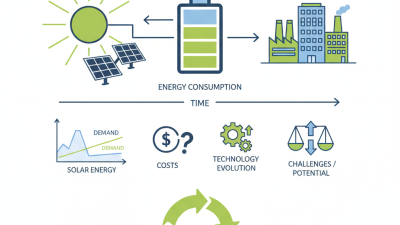
The evolution of solar technology is impressive. It offers reliable solutions tailored to modern living. Yet, some may question its long-term viability and return on investment. By addressing these concerns, homeowners can make informed choices. Embracing a **Solar Array With Battery Storage** represents a proactive step towards a greener future.

Top Benefits of Solar Array With Battery Storage for Homeowners

Benefits of Solar Array Systems for Residential Energy Independence

The demand for solar array systems in residential areas is growing rapidly. Homeowners are increasingly drawn to energy independence. According to a report from the U.S. Energy Information Administration, over 3 million homes in the United States installed solar panels by the end of 2022. This trend reflects a shift toward self-sufficient energy solutions.

One key benefit of solar array systems is cost savings. In states like California, homeowners can save up to $44,000 over the lifetime of their solar system. This is especially significant as energy prices rise. Battery storage enhances this benefit by allowing homeowners to store excess energy generated during the day for use at night. In fact, research shows that homes equipped with battery storage can reduce reliance on the grid by up to 70%.

However, not all systems are perfect. Some homeowners still face challenges with installation costs and space availability. Efficiency varies based on location and solar panel type. Reports indicate that geographic factors can lead to differing energy outputs. Homeowners must evaluate their specific situation to make informed decisions regarding investments in solar technology. Embracing solar energy is a step toward sustainability, yet it is crucial to address the challenges that may arise.

Integration of Battery Storage and Its Impact on Home Energy Management

Top Benefits of Solar Array With Battery Storage for Homeowners

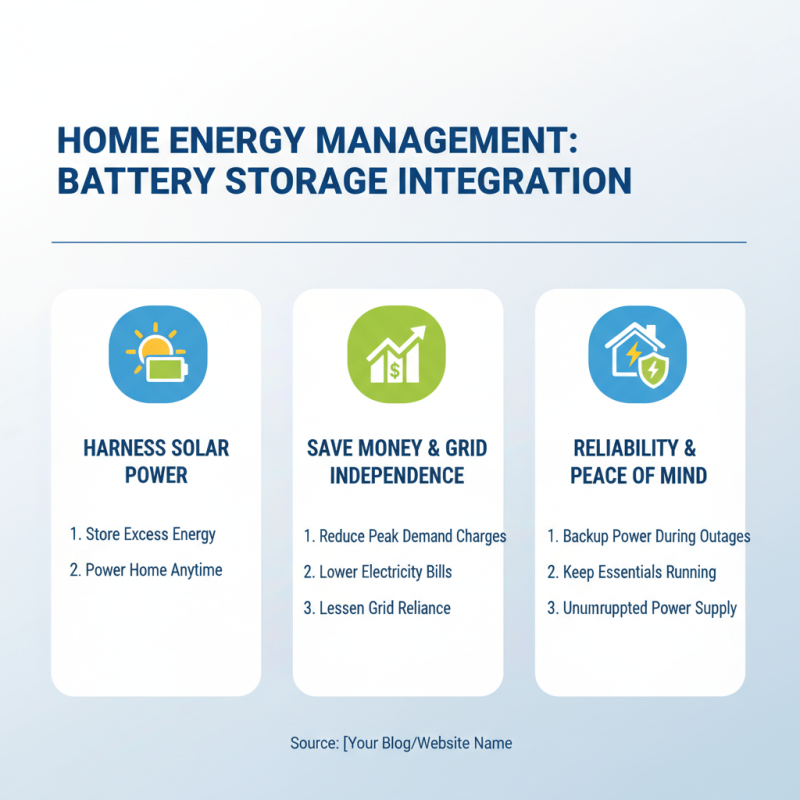
The integration of battery storage with solar arrays offers homeowners smarter energy management. By storing excess solar energy, homeowners can power their homes during peak demand hours. This reduces reliance on the grid and cuts monthly electricity bills. Battery storage provides peace of mind during outages, ensuring that essential devices remain operational.

Tips: Regularly monitor your battery’s state of charge. This helps in maximizing energy efficiency. Consider investing in energy management software to balance usage. It can help you determine the best times to use stored energy.

Home energy management becomes more dynamic with battery storage. Homeowners can analyze their usage patterns and adjust accordingly. However, it’s essential to think critically about your energy habits. Analyze peak consumption times and find ways to reduce unnecessary usage. Small changes can significantly reduce stress on the grid and your wallet.

Financial Incentives and Long-term Savings with Solar and Battery Storage

Choosing a solar array with battery storage can have a significant financial impact on households. As reported by the U.S. Department of Energy, homeowners can save an average of $1,500 annually on energy bills when they switch to solar power. This is particularly important in states with high electricity rates. While the initial investment might seem daunting, various financial incentives can help alleviate these costs.

Tax credits are one of the primary incentives available. The federal solar tax credit allows homeowners to deduct 26% of the cost of solar systems from their federal taxes. States also offer rebates and grants, making the transition more affordable. According to the Solar Energy Industries Association, these incentives can reduce the payback period for solar investments significantly, often between 5 to 7 years.

Battery storage amplifies these savings by allowing homeowners to use stored energy during peak pricing hours. This can lead to additional savings on utility bills. However, battery systems can be costly to install and may require maintenance. Homeowners should weigh these considerations carefully. It's essential to analyze local electricity prices and potential savings from both solar and storage systems before making a commitment.

Top Benefits of Solar Array With Battery Storage for Homeowners

This chart illustrates the potential long-term savings and financial incentives associated with solar array installations with battery storage for homeowners. The data highlights the annual savings, tax incentives, and the return on investment (ROI) over a five-year period.

Environmental Impact: Reducing Carbon Footprint with Renewable Energy

Top Benefits of Solar Array With Battery Storage for Homeowners

Adopting solar array systems with battery storage can significantly reduce a homeowner's carbon footprint. According to the U.S. Department of Energy, solar power has the potential to displace about 80% of carbon emissions produced by conventional energy sources. Each kilowatt-hour of solar energy generated means less reliance on fossil fuels. This shift supports a cleaner environment for future generations.

Battery storage plays a crucial role. With effective storage solutions, homeowners can use solar energy even when the sun isn’t shining. A report from the National Renewable Energy Laboratory states that homeowners with battery storage can reduce their emissions by an additional 40%. This combination of solar panels and batteries not only saves energy but also enhances energy independence.

Tip: Regularly monitor energy consumption to identify patterns. Understanding your energy use can help optimize your solar and battery system.

Consider your location's solar potential. Some regions may not get enough sunlight year-round. This could affect the efficiency of your solar system. Evaluate your design based on local weather patterns for the best results.

Understanding Solar Array Efficiency Ratings and Battery Longevity Factors

When considering solar arrays with battery storage, efficiency ratings are crucial. The efficiency of solar panels typically ranges from 15% to 22%. Higher efficiency panels generate more electricity, maximizing energy use during peak sunlight hours. According to the National Renewable Energy Laboratory, each percentage point increase in panel efficiency can yield an additional 20% in energy production annually. This translates to crucial savings for homeowners.

Battery longevity factors are equally important. Lithium-ion batteries, which are commonly used in home solar systems, can last between 10 to 15 years. The depth of discharge, or how much energy is used before recharging, significantly impacts battery life. A depth of discharge of 80% can reduce overall lifespan. Homeowners should aim for a cycle that keeps the battery charged between 20% and 80%. Regular monitoring can help identify inefficiencies and prevent premature wear.

Understanding these factors allows homeowners to optimize their solar setups. A well-designed system can lead to significant energy independence and lower utility bills. However, it’s essential to stay updated with advancements in technology and efficiency ratings to adapt effectively. As solar technology evolves, so too does the potential for maximizing savings and sustainability.