How to Build a Solar Array With Battery Storage for Energy Independence?
In recent years, energy independence has gained significant attention. Many homes pursue autonomy from traditional power grids. One effective solution is a "Solar Array With Battery Storage." This setup not only harnesses sun energy but also stores it for later use.
According to the U.S. Energy Information Administration, solar power is projected to account for 20% of the nation's electricity by 2050. However, transitioning requires consideration. Not every location receives the same sunlight, and energy demands vary. Proper planning is critical for ensuring a balanced energy supply.
Moreover, the cost of battery storage systems has dropped. The International Renewable Energy Agency estimates a 70% reduction since 2010. Yet, these systems can still be financially daunting for some. Evaluating return on investment and potential savings is essential. Building a reliable "Solar Array With Battery Storage" is not without its challenges. Individual research and assessment are vital to make informed decisions.
Understanding Solar Arrays and Battery Storage Basics
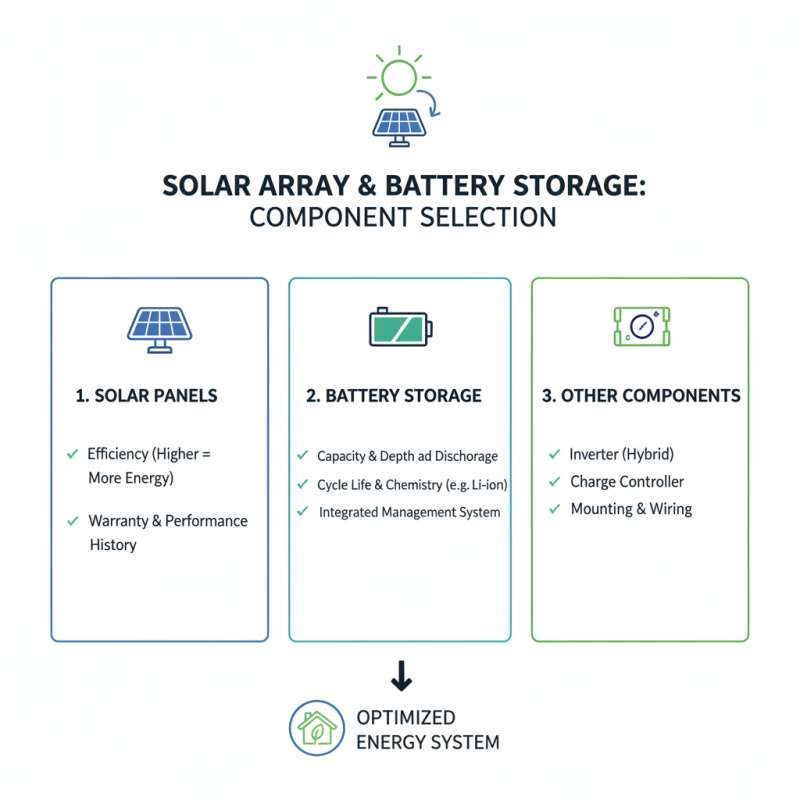
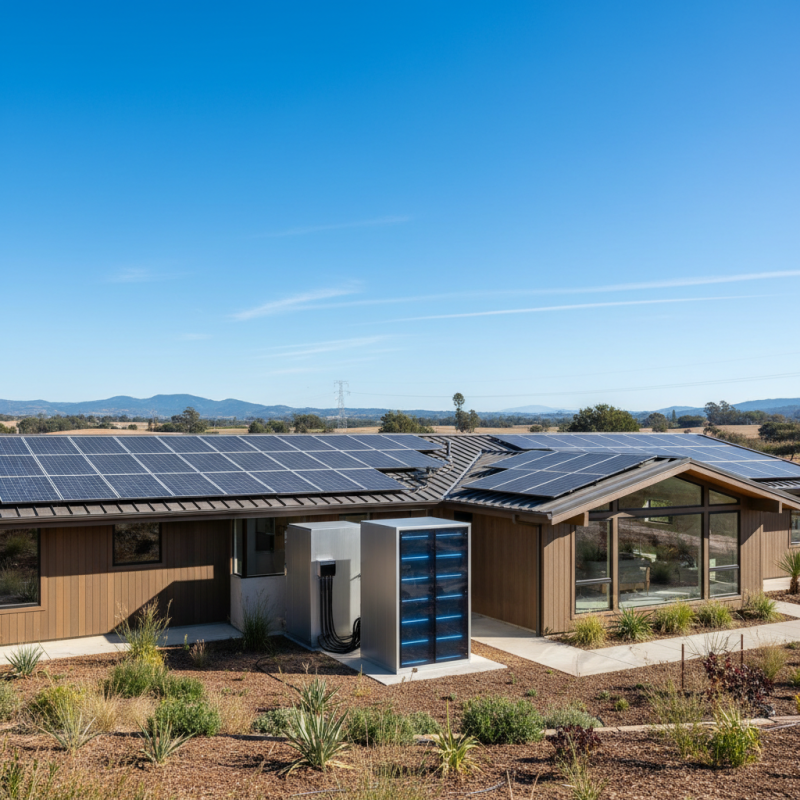
Building a solar array with battery storage is an empowering step toward energy independence. Understanding the basics is crucial. A solar array consists of multiple solar panels that convert sunlight into electricity. Battery storage, on the other hand, allows you to store excess energy for later use, especially when the sun isn’t shining.
When planning your setup, consider your energy needs. Analyze your daily and monthly electricity consumption. This will help you choose the right size for your solar panels and battery. For example, a smaller household may only need a few panels and a basic battery system, while larger homes require more extensive setups. Keep in mind the available sunlight in your area. Sunlight hours can vary greatly depending on location and season.
Tips: Measure your roof space accurately. Ensure it’s suitable for solar panels. Research different types of batteries. Not all batteries are created equal. Some require more maintenance than others. Regularly check your system’s performance. Issues can arise unexpectedly. Staying alert can prevent longer outages. Be prepared to make adjustments as needed. Flexibility is key in optimizing your energy independence plan.
Designing Your Solar Array Layout for Maximum Efficiency
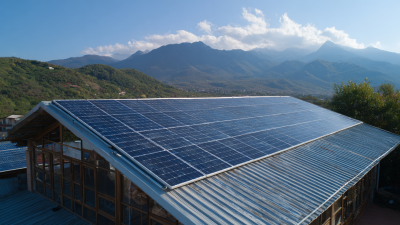
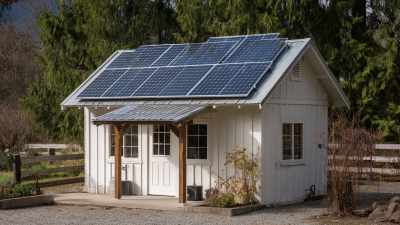
Designing your solar array layout is crucial for achieving maximum efficiency. Start by assessing your available space. Think about the angles and orientation of your roof or ground area. South-facing panels often perform best in the northern hemisphere. Make sure to measure your space accurately. Consider potential shading from trees or buildings. Small mistakes in measurement can lead to poor energy output.
Next, think about the configuration. Rows that are too close together can create shading issues, especially during the winter months. Leave adequate space between panels. Explore different layouts like portrait or landscape orientations. Each has its own advantages depending on your location. Also, keep in mind the seasonal sun path. This can help you avoid performance drops in certain months.
Don’t overlook the importance of spacing and tilt. A well-angled array can capture more sunlight. Yet, an improper tilt can reduce efficiency. Aim for a balance. Additionally, be open to adjusting your layout over time. Monitoring energy production can spark new ideas. Reflection is key. If something isn't working, consider redesigning that section of the array. Each decision impacts your overall energy independence journey.
Energy Production and Storage Analysis for Solar Arrays
This chart illustrates the energy production from a solar array alongside the corresponding battery storage levels throughout the year. The data highlights the potential for energy independence through effective solar design and storage solutions.
Installing and Connecting Battery Storage Systems Safely
When installing battery storage systems for solar arrays, safety must be a priority. Begin by selecting a suitable location for your batteries. Ideally, this should be a cool, dry area away from sunlight and moisture. Ensure that the site is well-ventilated to prevent overheating. Keep an eye on the proximity of any electrical components. Distance matters significantly in preventing potential hazards.
Connecting your battery system involves several steps. Start with proper insulation of wires. Use connectors rated for the current capacity of your system. Incorrect connections can lead to short circuits or even fires. Verify polarity before making connections. It sounds basic, but mistakes can happen. Regularly check the connections over time to prevent deterioration. Consider using a surge protector for an extra layer of safety.
Furthermore, establish a monitoring system. This can help track performance and alert you to issues. However, dealing with batteries can create unexpected challenges. You might face difficulties during installation or maintenance. Experimentation is part of the process. Reflect on your experiences to improve your setup. Safety and efficiency grow from learning through practice.
Maintaining Your Solar Array and Battery System for Longevity
Maintaining your solar array and battery system and battery system is crucial for longevity. Regular cleaning of solar panels can maximize efficiency. Dust, bird droppings, or snow can block sunlight. According to the National Renewable Energy Laboratory, a dirty panel can lose up to 25% of its output. Clean panels can perform better during peak sunlight hours.
Battery maintenance is equally important. Check the electrolyte levels in lead-acid batteries. Low levels can reduce capacity. Lithium-ion batteries, while low maintenance, still require monitoring. Temperature control plays a big role; extreme heat can degrade performance. The Battery University reports that keeping batteries at optimal temperatures can extend their life by up to 50%.
It’s also wise to perform regular inspections of the entire system. Look for loose wires and connections. Early detection of issues can prevent costly repairs later. Regularly updating your understanding of best practices really makes a difference. Systems might need different maintenance depending on location and weather conditions. Ignoring these details can lead to unexpected challenges.