Why Choose Commercial Energy Storage Batteries for Your Business?
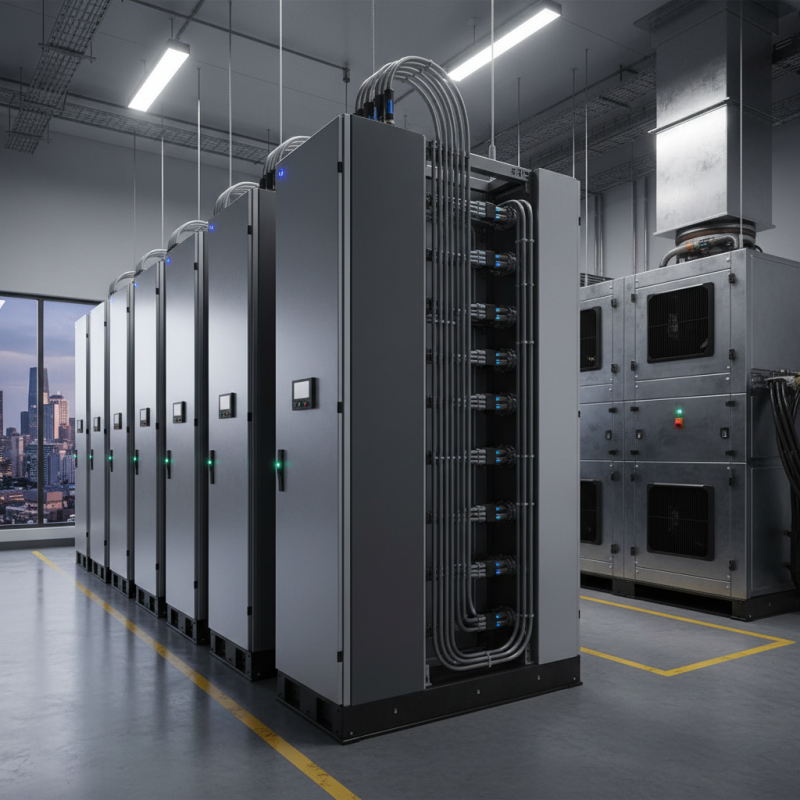
In today’s rapidly evolving energy landscape, businesses face significant challenges. A reliable energy supply is crucial for operational success. Commercial Energy Storage Batteries emerge as a viable solution to address these challenges. These advanced batteries are designed to store energy efficiently. They provide businesses with the flexibility to manage power usage effectively.
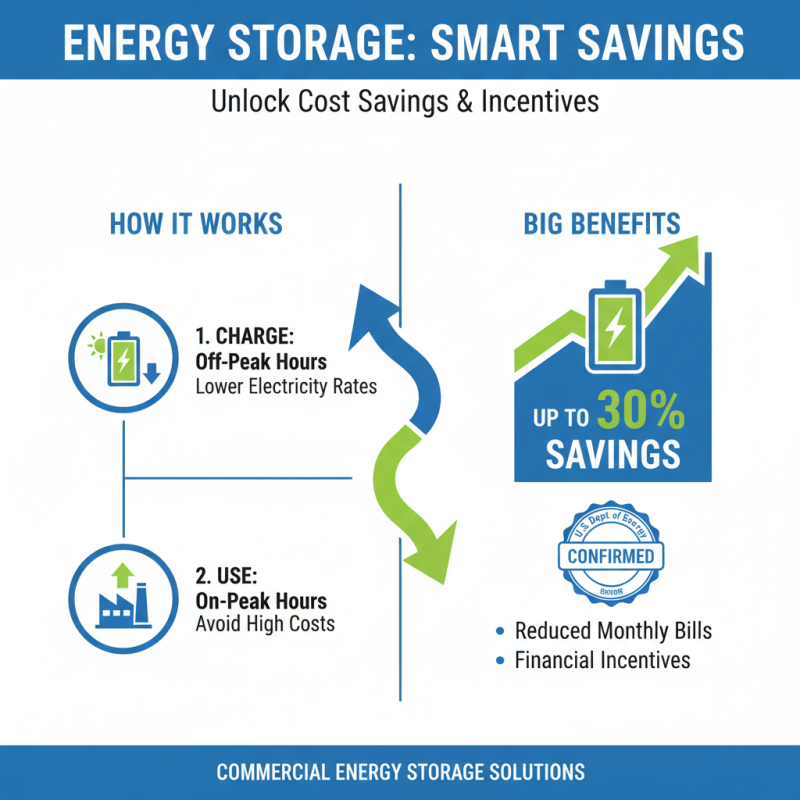
Commercial Energy Storage Batteries can help reduce energy costs. By storing energy during off-peak hours, companies can use it when demand is high. This practice not only optimizes energy consumption but also enhances overall operational efficiency. However, many organizations struggle with implementing such technology. They often question the return on investment and installation complexities.
Understanding the potential of Commercial Energy Storage Batteries is vital. Each business is unique, and needs may vary. It's crucial to evaluate the specific requirements before making an investment. The benefits can be substantial, yet careful consideration is necessary. Thoughtful planning ensures that energy storage systems align with overall business goals.
Benefits of Commercial Energy Storage Batteries for Businesses
Commercial energy storage batteries are essential for businesses looking to enhance operational efficiency. These systems store energy for later use, helping manage peak demand. According to the U.S. Department of Energy, the market for energy storage is set to grow exponentially. It is projected to reach 30 gigawatts by 2025. This growth reflects the increasing need for reliable energy solutions.
Businesses can benefit greatly from energy storage. These systems provide backup power during outages, which reduces the financial impact of downtime. They also help companies save on energy costs by using stored energy during peak pricing hours. A report from Navigant Research indicates that commercial energy storage systems can reduce energy bills by up to 30%.
Some organizations may still perceive energy storage as an expensive investment. Initial costs can be high, and return on investment takes time. Companies must evaluate their specific needs and usage patterns before diving in. In some cases, the technology may evolve faster than anticipated, leading to early obsolescence. However, with proper planning and a clear understanding of energy demands, businesses can find value in this technology.
Understanding the Functionality of Energy Storage Systems
Commercial energy storage batteries play a crucial role in enhancing business efficiency. These systems store excess energy generated during peak production times. According to a report by the International Energy Agency, energy storage capacity could reach 900 GWh by 2040, emphasizing its growing relevance.
Understanding the functionality of energy storage systems is vital. They balance supply and demand, ensuring facilities operate smoothly. By managing energy loads, these systems can reduce peak demand charges. Recent studies show businesses can cut energy costs by up to 30% with effective storage solutions. However, installation costs remain a concern, and not all businesses see immediate returns.
Tip: Consider your energy usage patterns before investing in storage. Analyze your peak demand times to optimize storage deployment. Not every solution is tailor-made. What works for one business may not suit another, reflecting the need for a personalized approach. Data indicates that businesses should regularly reassess their energy needs to adapt to changing demands and technology developments. Understanding these factors can significantly impact your decision-making process and investment outcomes.
Key Factors to Consider When Choosing Energy Storage Solutions
When evaluating energy storage solutions for your business, consider efficiency and capacity. A reliable battery system maximizes energy usage during peak hours. It also supports grid resilience. Efficiency in battery performance often translates to cost savings over time.
Think about the durability of the batteries. They should withstand different operational conditions. Regular maintenance can be a challenge. Effective monitoring systems help in assessing battery health. However, unexpected failures can lead to downtime. Hence, it’s crucial to evaluate how these risks might impact your operations.
Cost is always a concern. An initial investment may seem high, but long-term savings can offset this. Analyze total cost of ownership, which includes installation and maintenance. Evaluate financing options as well. Sustainability features increasingly matter for businesses. Ensure your energy storage solution aligns with your environmental goals.
Cost Savings and Financial Incentives of Energy Storage
Commercial energy storage batteries offer significant cost savings and financial incentives for businesses. According to the U.S. Department of Energy, energy storage systems can provide savings of up to 30% on energy costs. These systems allow businesses to store energy during off-peak hours when prices are lower. This stored energy can then be used during peak hours when costs skyrocket, effectively lowering monthly bills.
In addition to direct savings, many organizations can benefit from federal and state incentives. The Investment Tax Credit (ITC) provides a financial boost, covering 26% of the installation cost. This not only makes energy storage more affordable but also enhances the return on investment (ROI) for businesses looking to upgrade their energy systems. A report from Lazard shows that energy storage costs have dropped more than 70% since 2010. This trend indicates that investing in energy storage will become increasingly viable and financially attractive.
Tip: Analyze your energy consumption patterns. Understand when you use energy the most and how batteries can help you save money.
Tip: Research local incentives. Many regions offer rebates or tax credits for energy storage, which can significantly lower your upfront costs.
Energy storage may seem complex at first. Each business's energy needs are unique. It’s essential to assess whether your specific needs align with potential savings.
Impact of Energy Storage on Sustainability and Carbon Footprint
Energy storage plays a crucial role in enhancing sustainability within businesses. By utilizing commercial energy storage batteries, companies can manage energy use more effectively. These batteries store energy when demand is low and the generation is high. This process reduces reliance on fossil fuels during peak hours.
The impact on carbon footprints is significant. Stored energy can replace traditional energy sources, lowering greenhouse gas emissions. However, it's essential to consider the entire lifecycle of these batteries. Production and disposal can have environmental implications. Engaging with local suppliers for battery recycling can mitigate some risks.
Companies must also reflect on their energy strategies. Energy storage solutions require careful planning. Investing in technology and infrastructure can be costly. Yet, the long-term benefits often outweigh these initial challenges. It’s vital to balance immediate costs with the promise of a sustainable future.
Why Choose Commercial Energy Storage Batteries for Your Business? - Impact of Energy Storage on Sustainability and Carbon Footprint
| Dimension |
Description |
Impact |
Typical Value |
| Energy Cost Savings |
Reduction in electricity expenses by utilizing stored energy during peak hours |
High |
20-40% savings |
| Carbon Footprint Reduction |
Lower greenhouse gas emissions through efficient energy use |
Very High |
Up to 30% reduction |
| Renewable Energy Integration |
Ability to use and store energy from renewable sources, like solar and wind |
High |
Up to 100% renewable usage |
| Grid Independence |
Decreased reliance on the grid, enhancing energy security and reliability |
Moderate |
>50% self-reliance |
| Operational Resilience |
Maintaining operations during outages and emergency situations |
High |
99% uptime |