How to Choose the Best Residential Thermal Storage Solutions?
In recent years, the importance of Residential Thermal Storage has surged. With the rise of renewable energies, homes seek efficient energy management solutions. According to the International Energy Agency, residential heating accounts for 25% of global energy consumption. Storage technologies can significantly reduce this demand.
Choosing the right thermal storage solution is crucial. Many types exist, from concrete systems to advanced phase change materials. Each has distinct benefits and drawbacks. Studies show that homes using thermal storage can achieve energy savings of up to 30%. However, not all systems suit every situation. It’s essential to assess factors like local climate, energy costs, and specific heating needs.
The market for thermal storage is evolving, with innovations continuously emerging. Experts recommend a comprehensive evaluation of available technologies. Homeowners must remain aware of the varying performance metrics. As in any industry, there’s room for improvement and adaptability, making careful consideration vital for optimal solutions.
Understanding Thermal Storage Solutions for Residential Use
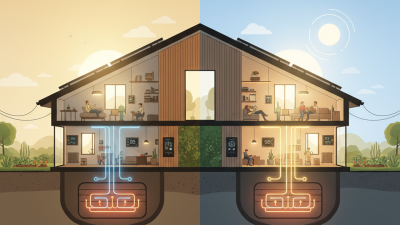
Thermal storage solutions are crucial for residential energy efficiency. Homeowners can store heat generated from renewable sources. This approach helps to lower energy costs. According to the U.S. Department of Energy, thermal storage can reduce peak electricity demand by up to 30%. This reduction is significant for both the environment and household budgets.
When considering thermal storage options, evaluate materials and technologies. Water and phase change materials are common choices. Water tanks, for instance, can store large amounts of heat. They are effective in maintaining steady temperatures. Research indicates that phase change materials can store more energy in less space. The choice depends on home size and heating needs.
Tips: Assess your local climate. Warmer areas may benefit more from different systems. Consider a professional evaluation to tailor the solution to your home. Regular maintenance is essential. Systems can degrade if not cared for properly. An annual check-up can prevent costly repairs. Being proactive can enhance efficiency and longevity.
Energy Efficiency of Residential Thermal Storage Solutions
Factors to Consider When Selecting Thermal Storage Systems
Choosing the right thermal storage system for residential needs involves several important factors. One key aspect is the system's capacity. This refers to how much energy can be stored and released when needed. It is crucial to assess your home's energy consumption patterns to determine the right size.
Another critical consideration is the type of thermal storage technology. Options range from water tanks to phase-change materials. Each technology has its pros and cons. For instance, water tanks can be effective but may take longer to heat up. In contrast, phase-change materials offer faster energy retrieval but can be more expensive to install.
Cost is always a significant factor. Evaluate not only the initial investment but also long-term operational costs. Energy efficiency ratings can help inform your decision. However, blindly following ratings can lead to poor choices. The specific climate and location of your home also play a role. Reflect on how environmental factors influence your thermal storage needs.
Comparison of Different Types of Residential Thermal Storage
When considering residential thermal storage solutions, several types are available. Each option varies in effectiveness, cost, and installation requirements. A popular choice is water tanks, which store heat efficiently. They can be used with solar heating systems or conventional boilers. However, installation can be complex, requiring space and plumbing adjustments.
Another option is phase-change materials (PCMs). These materials absorb and release heat as they transition between solid and liquid states. They are compact and versatile, making them suitable for various home sizes. Yet, they can be expensive and may require specific conditions to function optimally.
Tips for choosing the right thermal storage solution include assessing your home’s energy needs. Consider your heating system and insulation quality. Evaluate the space availability for installation. You want a system that works without major renovations. It's essential to balance upfront costs with long-term savings. Research is critical—look for independent reviews and case studies. They provide insights into the effectiveness of different systems in real homes.
Evaluating Performance and Efficiency of Thermal Storage Options
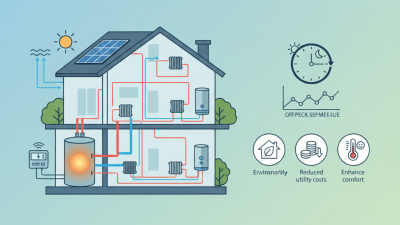
When evaluating thermal storage options for residential use, performance and efficiency are key factors. Homeowners should look for systems that can effectively store energy during off-peak times. This means analyzing how well these systems discharge energy when needed. A higher discharge rate can make a significant difference during peak demand periods.
Another important aspect is the thermal conductivity of the materials used. Some materials may offer better heat retention but might not be as efficient at releasing that heat. Consider how quickly the system can adapt to changing energy needs. It's not uncommon to find systems that perform well initially but struggle under long-term demand. Regular assessments can help identify weaknesses in performance.
In practical terms, it can be beneficial to consult with experts in the field. They can provide insights into installation and maintenance challenges. Monitoring the overall efficiency over time is crucial. Reflecting on how your chosen solution performs can lead to improvements in energy management within your home. Look for solutions that not only meet current needs but also adapt to changing energy landscapes.
How to Choose the Best Residential Thermal Storage Solutions? - Evaluating Performance and Efficiency of Thermal Storage Options
| Type of Thermal Storage |
Storage Capacity (kWh) |
Efficiency (%) |
Installation Cost ($) |
Operating Temperature (°C) |
| Water Tank Storage |
200 |
90 |
1,500 |
60-80 |
| Phase Change Material (PCM) |
100 |
85 |
2,000 |
20-30 |
| Batteries |
150 |
90 |
3,000 |
0-40 |
| Concrete Thermal Storage |
400 |
70 |
5,000 |
30-60 |
| Geothermal Storage |
300 |
92 |
10,000 |
10-20 |
Cost Analysis and Long-term Savings of Thermal Storage Solutions
When considering residential thermal storage solutions, cost analysis is crucial. These systems store energy during off-peak hours. They provide heating or cooling later, reducing peak demand. This can lead to lower energy bills. Many homeowners notice significant savings over time. However, the initial investment can be high. It's essential to calculate long-term benefits versus upfront costs.
Long-term savings vary based on several factors. The local energy rates play a significant role. If electricity costs rise, the value of thermal storage increases. Additionally, rebates or incentives might help offset upfront costs. It is wise to analyze potential energy consumption patterns. Frequent shifts in energy usage habits may impact savings. Individual experience with these solutions varies widely.
Thermal storage systems require careful consideration of maintenance. Some homeowners face unexpected repair costs. Choices should be based on thorough research. Speaking with experts can help clarify options. Real-life examples show varying savings experiences. These systems work well for some households but not for others. It’s essential to reflect on these aspects when choosing the best solution for your home.