How to Choose the Best Volt Evse Distribution System?
Choosing the best Volt Evse Distribution system can be challenging. Many options exist, each with unique features and specifications. A well-suited system should meet your vehicle's charging needs and align with your electrical setup.
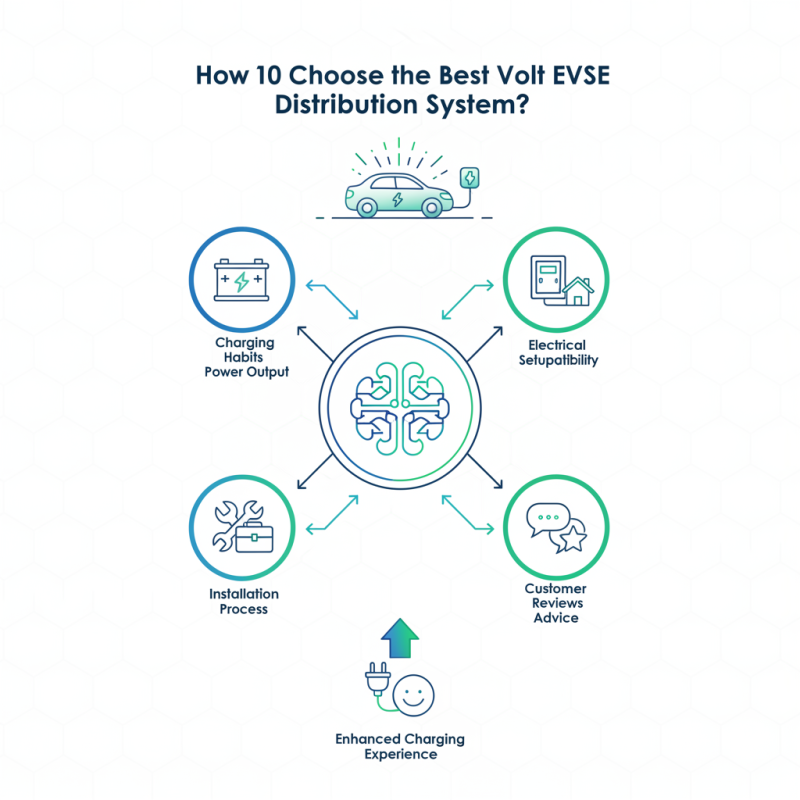
When selecting a Volt Evse Distribution system, consider your charging habits. Assess the power output you require. For instance, if you drive extensively, a higher output is beneficial. Additionally, compatibility with your home or business electrical capacity is crucial. A mismatch can lead to inefficiencies or safety issues.
It's also essential to reflect on the installation process. Some systems are user-friendly, while others require professional help. Weigh your options carefully. A poorly chosen system may lead to frustrations later. Evaluate customer reviews and professional advice to make an informed decision. The goal is to invest in a system that enhances your charging experience without complications.
Understanding Volt EVSE Distribution Systems and Their Importance
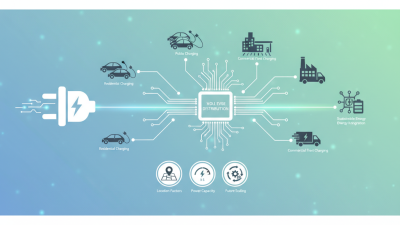
Choosing the right Volt EVSE distribution system is crucial for efficient electric vehicle charging. These systems manage power supply effectively and ensure safety. They help distribute electricity to multiple charging stations, making them essential in both residential and commercial settings. Without a reliable system, charging can become chaotic. Consider the layout of your space. You want to ensure accessibility for all users.
Understanding the components is vital. A good distribution system includes circuit breakers, relays, and connectors. Each plays a role in managing energy flow. If one part malfunctions, the entire system can be compromised. Reflecting on past experiences can guide decisions. Have you faced long charging times due to poor systems? Those frustrations highlight the need for quality.
In many cases, installation can be tricky. Not all homes may have the required infrastructure. Some might need upgrades, which can be costly. Assess your current setup carefully. Avoid rushing into upgrades without proper planning. Consider future needs as well, as electric vehicle ownership may increase in your area.
Key Factors in Selecting a Volt EVSE Distribution System
When choosing a Volt EVSE distribution system, several key factors come into play. First, assess your charging needs. Consider how many electric vehicles you will charge simultaneously and the energy demands of each vehicle. This ensures you select a system that can handle the load effectively. Sometimes, people underestimate or overestimate their charging requirements.
Space is another crucial factor. You need to determine where you will install the system. Ensure the area is accessible and has enough room for proper ventilation. A cluttered space can hinder performance.
Tips: Look for systems with adjustable power levels. This feature offers flexibility as your needs change. Additionally, consider systems that allow for future expansion. You may add more EVs to your fleet later.
Finally, examine the installation process. Some systems are more complex than others. Try to choose one that suits your skills to avoid unnecessary costs. Remember, not all installations are seamless. Research and plan accordingly to prevent potential headaches.
Technical Specifications to Consider for Optimal Charging Performance
When choosing a Volt EVSE distribution system, technical specifications play a crucial role. The charging power, measured in kilowatts, determines how quickly your electric vehicle charges. A higher power rating often means faster charging, which can be a significant benefit. However, consider your vehicle’s maximum charging capability. Not all vehicles can handle the highest charging speeds, so matching these specifications is vital.
Another important factor is the connector type. Different electric vehicles use various connectors. Ensure that the EVSE you choose is compatible with your vehicle. Charging cables should be long enough to accommodate your parking situation. A short cable may present challenges, especially in tight spaces.
Safety features are also essential. Look for systems with built-in surge protection and overheating sensors. These elements enhance reliability. You may find some models lacking in these specifications. It’s critical to review user feedback to identify potential issues. Every choice involves trade-offs, particularly between price and performance. Not every high-priced option guarantees optimal features. Testing might reveal what suits your needs best.
Integration with Renewable Energy Sources: Maximizing Efficiency
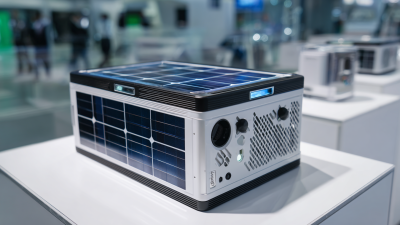
Integrating renewable energy sources into your EVSE distribution system can significantly enhance efficiency. Solar panels and wind turbines can provide clean energy for your electric vehicle charging needs. By using this renewable energy, you reduce dependency on traditional energy sources. This not only lowers your carbon footprint but also cuts down on electricity costs over time.
**Tip:** Assess your energy consumption. Consider how much electricity your charging station requires. This knowledge helps you select the right renewable energy setup.
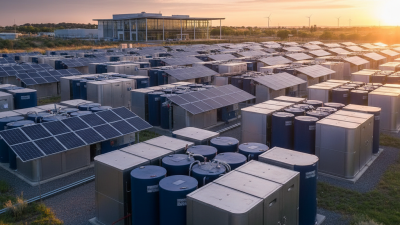
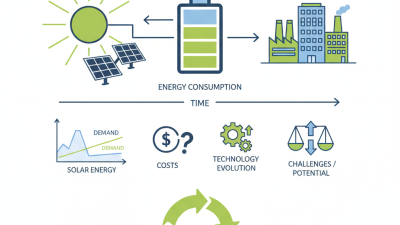
Adding a battery storage system can capture excess energy. While using a solar system, you may generate more energy during the day than needed. Storing this energy makes it available during peak hours. This flexibility can optimize your energy usage, reducing costs further.
**Tip:** Regular maintenance of your renewable systems is crucial. Clean solar panels to ensure maximum efficiency. Also, inspect battery health periodically to avoid unexpected failures.
EVSE Distribution System Efficiency with Renewable Energy Integration