Unlocking Energy Independence: How a Solar House Battery System Transforms Your Home
As the world shifts towards sustainable energy solutions, the
Solar House Battery System emerges as a key player in achieving
energy independence for homeowners. According to a report by the International Energy Agency (IEA),
the global solar energy market has seen a remarkable increase, with installations expected to grow by over 20% annually through 2025.
This data highlights the urgency and necessity for innovative energy solutions that can harness solar energy efficiently.
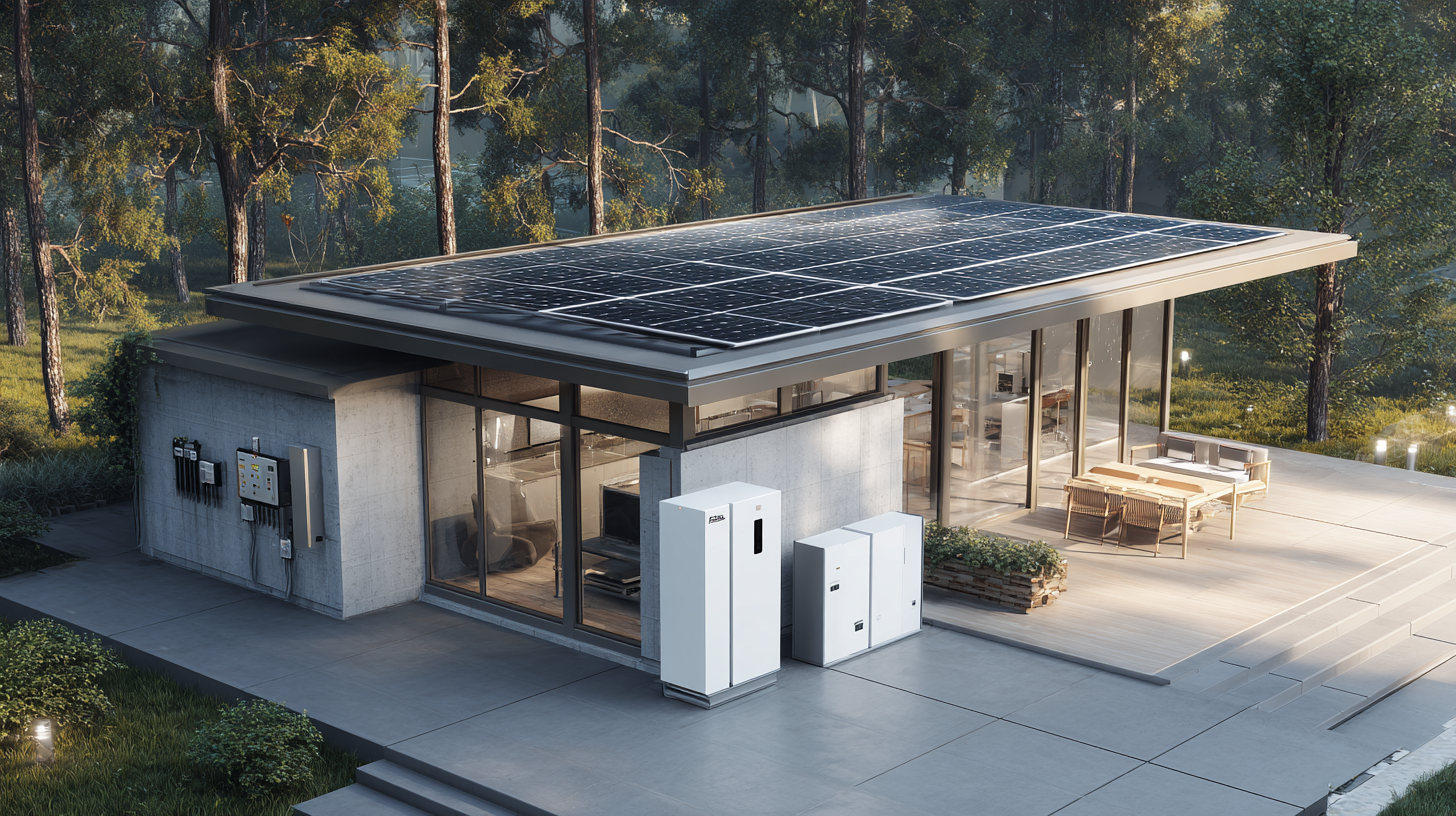 Renowned energy expert Dr. Emily Carter, a leading voice in renewable energy technology, states,
"The integration of Solar House Battery Systems not only empowers homeowners but also drastically reduces reliance on the grid."
By storing excess solar energy produced during the day, these systems enable homeowners to use clean energy at night or during power outages, effectively transforming their homes into
self-sufficient energy hubs.
Renowned energy expert Dr. Emily Carter, a leading voice in renewable energy technology, states,
"The integration of Solar House Battery Systems not only empowers homeowners but also drastically reduces reliance on the grid."
By storing excess solar energy produced during the day, these systems enable homeowners to use clean energy at night or during power outages, effectively transforming their homes into
self-sufficient energy hubs.
With advancements in battery technology, Solar House Battery Systems are becoming more accessible and affordable,
presenting an exciting opportunity for homeowners to take control of their energy consumption. In this article, we will explore the top ten benefits of adopting a
Solar House Battery System, illustrating how it can revolutionize your energy usage and contribute to a
sustainable future.
Understanding Solar House Battery Systems: An Overview of Technology
Solar house battery systems represent a significant advancement in home energy management technology. These systems store excess energy generated from solar panels during peak sunlight hours, allowing homeowners to utilize this energy when the sun isn't shining. The core technology revolves around high-capacity lithium-ion batteries, which offer improved efficiency and longevity compared to traditional lead-acid systems. By integrating smart inverters and energy management software, homeowners can optimize their energy usage based on consumption patterns and grid demands.
In addition to enhancing energy independence, solar house battery systems contribute to lower electricity bills and increased energy security. They enable users to become less reliant on the grid, thereby reducing vulnerability to power outages and fluctuating energy prices. With advancements in battery technology, including faster charging and improved storage capabilities, these systems are becoming more accessible and affordable for the average homeowner. As awareness of renewable energy solutions grows, solar house battery systems are poised to play a vital role in the transition towards sustainable living.
Benefits of Energy Independence with Solar Battery Integration
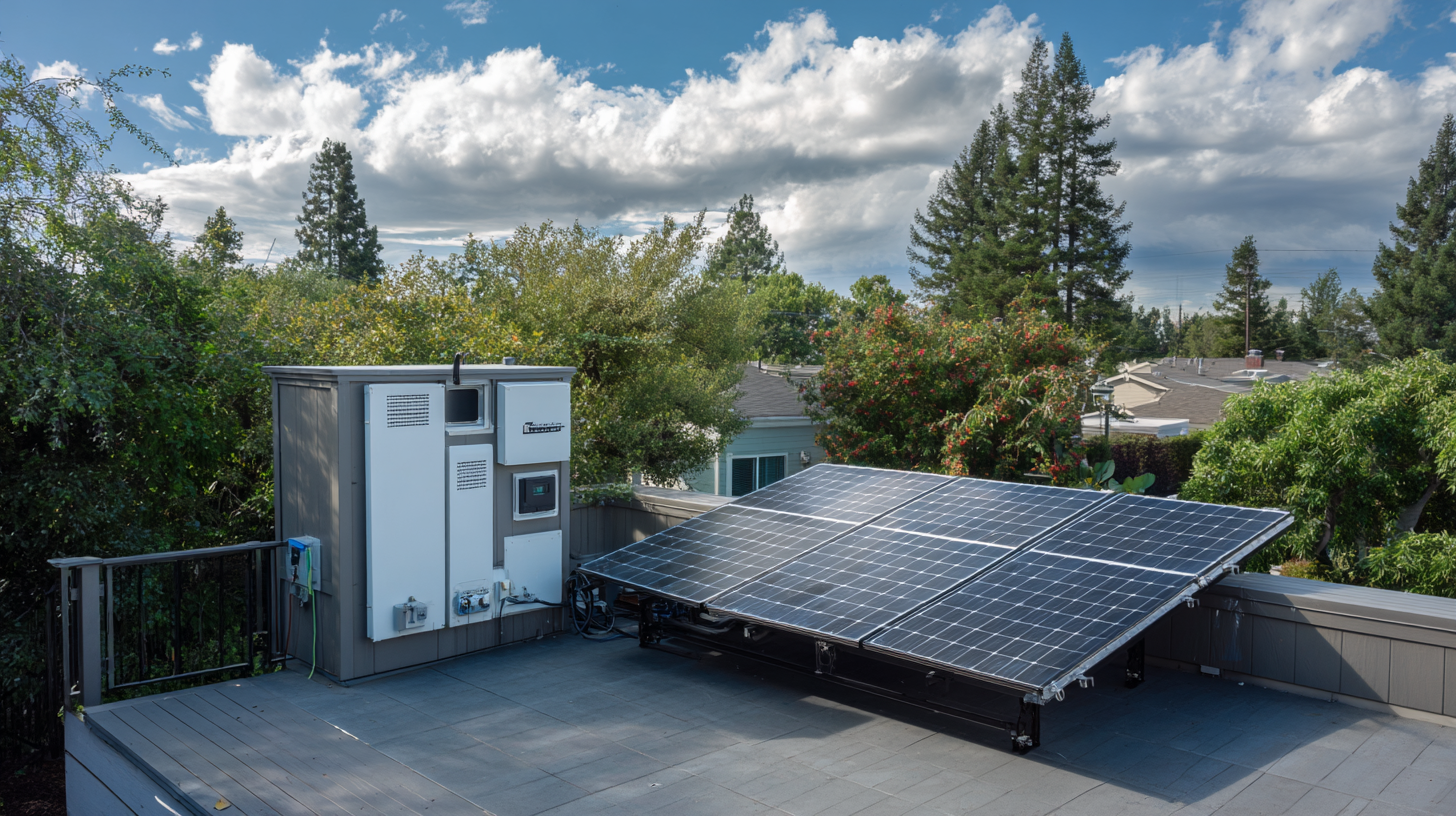 Integrating a solar battery system into your home can significantly enhance your energy independence. By storing excess solar energy generated during the day, homeowners can use this reserve during the night or during periods of high electricity demand. This not only minimizes reliance on the grid but also provides a buffer against fluctuating energy prices. As utility costs continue to rise, a solar battery system offers a practical solution for stabilizing energy expenses.
Moreover, the environmental benefits are substantial. By maximizing the use of renewable energy, homeowners can reduce their carbon footprint, contributing to a more sustainable future. The ability to harness and store solar energy empowers homeowners with greater control over their energy consumption, leading to less reliance on fossil fuels and promoting the use of clean energy. This transformational shift not only enhances personal autonomy in energy management but also supports broader efforts towards global energy sustainability.
How Solar Batteries Enhance Home Sustainability and Efficiency
A solar house battery system not only stores energy but significantly enhances a home's sustainability and efficiency. By harnessing solar energy during the day, these batteries allow homeowners to utilize that power even when the sun isn't shining. This helps reduce reliance on grid electricity and minimizes energy costs, making homes more environmentally friendly. Additionally, the stored energy can be used strategically during peak demand hours, further increasing efficiency and keeping electric bills lower.
Tips: To maximize the efficiency of your solar battery system, consider scheduling high-energy activities, like running appliances, during the day when solar generation is at its peak. Moreover, keep your solar panels clean and well-maintained to ensure optimal energy capture.
Integrating a solar battery system also contributes to energy independence. Homeowners can prepare for unexpected power outages by relying on their stored energy, which can be especially vital during emergencies. This enhances resilience while also promoting a greener lifestyle.
Tips: When selecting a battery system, assess your energy needs and usage patterns to choose the right capacity. This personalized approach can help optimize performance and ensure that you're getting the most out of your investment.
Unlocking Energy Independence: How a Solar House Battery System Transforms Your Home - How Solar Batteries Enhance Home Sustainability and Efficiency
| Feature |
Description |
Benefits |
Impact on Sustainability |
| Energy Storage Capacity |
Stores excess solar energy generated during the day |
Reduction in reliance on grid power |
Supports renewable energy usage |
| Backup Power |
Provides electricity during outages |
Increased home resilience |
Ensures continuous power supply without fossil fuel reliance |
| Grid Independence |
Enables movement away from centralized power sources |
Lower utility bills and greater control over energy usage |
Facilitates a decentralized energy model |
| Increased Efficiency |
Optimizes energy consumption by using stored power |
Maximizes the use of renewable energy and saves costs |
Reduces overall carbon footprint |
| Smart Technology Integration |
Compatible with home automation systems |
Seamless control and monitoring of energy usage |
Encourages efficient energy management habits |
The Financial Impact of Investing in a Solar House Battery System
Investing in a solar house battery system can significantly affect your household finances. With the growing adoption of battery energy storage systems, homeowners are not only able to utilize solar power more efficiently but also save substantially on energy costs. For example, recent analyses indicate that most U.S. households could see reductions in their electricity bills, potentially saving hundreds annually by installing both rooftop solar panels and battery systems. This combination allows families to harness and store energy during the day for use during high-demand hours or power outages.
Furthermore, financial incentives, such as federal home battery rebates, are making these investments even more appealing. As the market for solar energy and battery storage expands, prospective buyers are increasingly focusing on the long-term savings and security these systems offer. With energy prices on the rise, the potential to lock in lower energy costs presents a compelling financial argument. Therefore, as we approach 2025, assessing the value of home solar batteries will be essential for homeowners looking to gain independence from traditional power grids while reaping significant financial benefits.

Common Myths and Misconceptions About Solar Battery Systems
When considering solar battery systems, numerous myths can cloud judgment and hinder potential adopters. One common misconception is that solar battery systems are only practical in extremely sunny locations. In reality, modern solar technology is designed to function effectively even in less ideal weather conditions. While the efficiency of solar panels may vary, battery systems can store excess energy produced during sunny days for use during less productive periods, ensuring consistent power access.
Another widespread myth is the belief that solar batteries are prohibitively expensive and provide limited return on investment. While the initial costs may be significant, advancements in technology and increased competition have led to reduced prices and improved efficiency. Moreover, many homeowners experience substantial savings on energy bills over time, particularly with incentives available in many regions. Adopting solar battery systems not only contributes to energy independence but can also enhance the home’s overall value, making it a financially sound decision.
Unlocking Energy Independence: Benefits of Solar House Battery Systems
This bar chart illustrates the perceived benefits of solar battery systems among homeowners. The data reflects common sentiments regarding cost savings, environmental impact, energy independence, battery lifespan, and installation complexity, highlighting the transformative potential of these systems in achieving energy independence.