10 Essential Tips for Maximizing Efficiency with Home Pumped Hydro Storage
The growing interest in renewable energy solutions has propelled Home Pumped Hydro Storage into the spotlight as a viable option for efficient energy management. According to a report by the International Renewable Energy Agency (IRENA), the integration of hydro storage can significantly enhance the reliability of renewable energy systems and improve overall energy efficiency by approximately 30%. This innovative technology allows homeowners to store excess energy generated during peak production periods, effectively utilizing it during times of high demand or low generation.

Dr. Emily Zhao, a prominent expert in the field of sustainable energy solutions, emphasizes the potential of Home Pumped Hydro Storage, stating, “By leveraging the natural forces of gravity and water, homeowners can not only achieve energy independence but also contribute to a more resilient energy grid.” As more households look to embrace sustainable energy alternatives, understanding the intricacies of optimizing home-based hydro storage systems becomes increasingly crucial.
In light of these advancements and expert insights, we present "10 Essential Tips for Maximizing Efficiency with Home Pumped Hydro Storage." By implementing these strategies, homeowners can not only enhance their energy efficiency but also play a pivotal role in the transition towards a cleaner, more sustainable future.
Understanding the Basics of Home Pumped Hydro Storage Systems
Home pumped hydro storage systems offer an innovative way to harness and store energy using the natural principles of gravity and water flow. At their core, these systems involve two reservoirs, one situated at a higher elevation and the other at a lower elevation. During periods of low energy demand, excess energy—often generated from renewable sources—pumps water from the lower reservoir to the upper one. This stored potential energy can then be released as needed by allowing the water to flow back down, turning turbines to generate electricity when demand peaks.
Understanding the basic components of a home pumped hydro storage system is essential for maximizing efficiency. Key elements include the reservoirs, the pumping mechanism, and the turbine generator. Proper sizing and placement of these components are crucial for optimizing energy conversion and minimizing losses. Homeowners should also consider factors like local topography and water availability, which can significantly influence system performance. By grasping these fundamentals, users can make informed decisions about their setup, leading to a more efficient and effective energy storage solution for their homes.
Key Factors for Selecting the Right Location for Your Hydro Setup
When considering home pumped hydro storage, selecting the right location is crucial to maximizing efficiency. The ideal site should have a significant elevation difference to facilitate effective water movement between reservoirs. According to a report by the International Renewable Energy Agency (IRENA), a height difference of at least 100 meters can significantly improve energy output, making it essential for homeowners to evaluate their topography before installation.
In addition to elevation, proximity to water sources and load centers must be considered. The same IRENA report highlights that systems located within 10 kilometers of existing water bodies can reduce installation costs and ensure ecological sustainability. Additionally, assessing regional climate conditions can inform the maintenance of water levels, as evaporation rates can greatly impact operational efficiency.
By carefully examining these factors, homeowners can create a pumped hydro system that optimizes energy storage and contributes effectively to grid stability, supporting a sustainable energy future.
Optimal Equipment Choices for Enhanced Efficiency in Hydro Storage
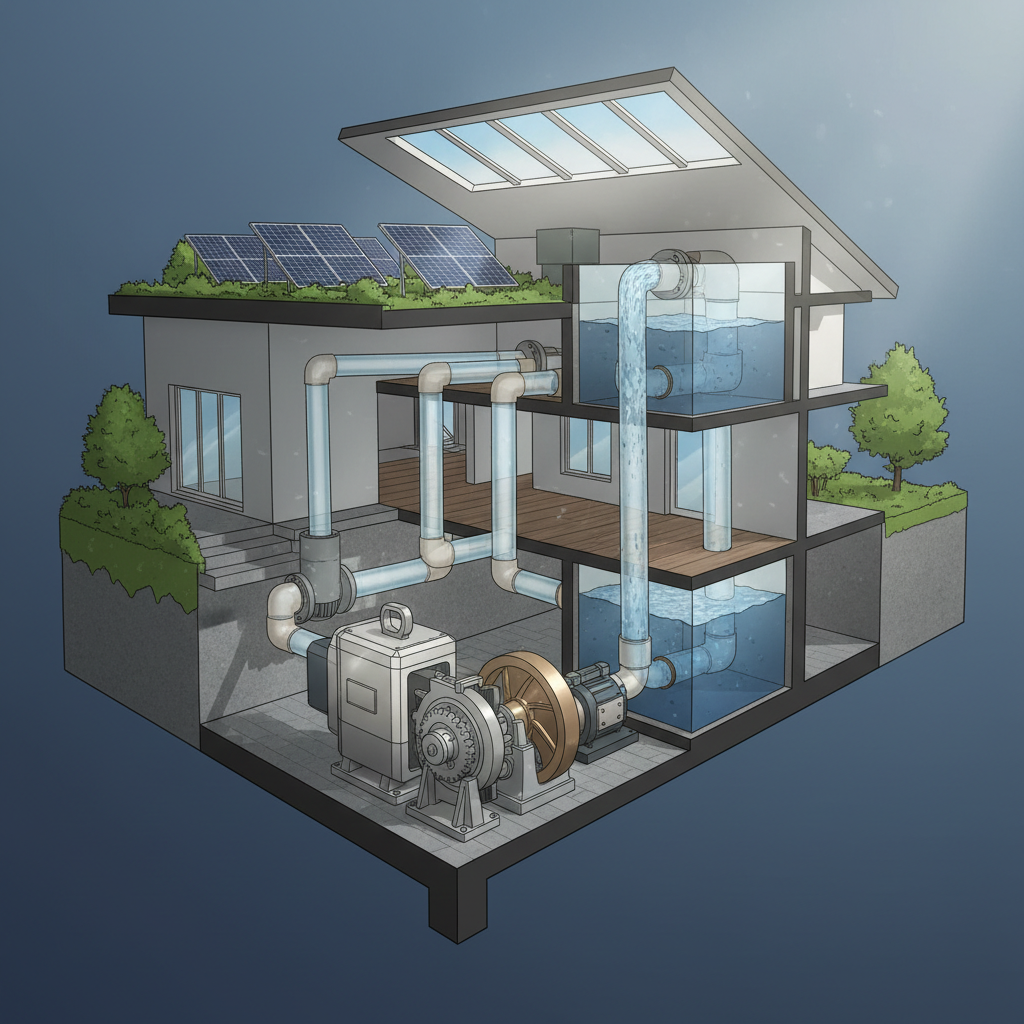
Choosing the right equipment is crucial for enhancing the efficiency of home pumped hydro storage systems. Start by selecting high-quality pumps and turbines that are designed to operate with minimal energy loss. Look for pumps that feature variable speed drives, as they can adjust to different water levels and flow rates, maximizing energy capture during peak production times. Additionally, consider the material quality of the components; durable, corrosion-resistant materials will ensure longer service life and reliability, which are essential for efficient operation.
Another vital element is the design of the storage reservoir. The size and depth of the reservoir significantly impact water retention and energy storage capabilities. Choosing a location with natural elevation changes can reduce the need for extensive pumping infrastructure, further increasing efficiency.
Furthermore, integrating smart technology to monitor water levels, energy consumption, and system performance can lead to proactive maintenance and adjustments, ultimately increasing the overall efficacy of hydro storage operations.
Smart Integration of Home Hydro Systems with Renewable Energy Sources
Integrating home pumped hydro storage systems with renewable energy sources is crucial for optimizing energy efficiency and sustainability. According to a report by the International Renewable Energy Agency (IRENA), pumped hydro storage constitutes about 95% of global energy storage capacity. This highlights its importance in managing the intermittent nature of renewable energy, such as solar and wind power. By pairing hydro storage with these sources, homeowners can store excess energy generated during peak production times and utilize it during periods of low generation, enhancing overall energy management.
A practical implementation of this integration can significantly lower energy bills and reduce reliance on the grid. For instance, data from the National Renewable Energy Laboratory (NREL) indicates that homes equipped with integrated renewable energy and storage solutions can achieve energy savings of up to 50%. Furthermore, by participating in demand response programs, households with pumped hydro systems can sell stored energy back to the grid, creating an additional revenue stream. This smart approach not only benefits individual homeowners but also contributes to a more resilient and sustainable energy grid.
10 Essential Tips for Maximizing Efficiency with Home Pumped Hydro Storage
| Tip No. |
Tip Description |
Expected Efficiency Gain |
Implementation Complexity |
| 1 |
Optimize Pumping Schedule |
15% |
Medium |
| 2 |
Integrate with Solar Panels |
25% |
High |
| 3 |
Regular Maintenance Checks |
10% |
Low |
| 4 |
Use Energy Management Systems |
20% |
Medium |
| 5 |
Monitor Water Levels Efficiently |
5% |
Low |
| 6 |
Ensure Proper Insulation |
15% |
Medium |
| 7 |
Consider Seasonal Variations |
10% |
High |
| 8 |
Implement Smart Grids |
30% |
High |
| 9 |
Invest in Quality Equipment |
20% |
Medium |
| 10 |
Educate Yourself on Hydro Systems |
Variable |
Low |
Maintenance Tips to Ensure Longevity and Performance of Your Hydro System
Maintaining a home pumped hydro storage system is crucial for optimizing its longevity and efficiency. Regular maintenance checks should be scheduled every six months to ensure that all components, including pumps, turbines, and reservoirs, are in optimal working condition. According to the U.S. Energy Information Administration, well-maintained hydroelectric systems can operate at efficiency levels exceeding 90%, making it essential to prioritize upkeep in order to achieve these performance metrics.
One of the key maintenance tips is to inspect the water quality in your reservoirs. Contaminants can lead to rust and corrosion of internal components, reducing performance. Regularly test the pH and sediment levels to prevent damage and ensure a clean water source. Additionally, it’s advisable to lubricate moving parts at least once a year to reduce friction and wear, further enhancing efficiency.
Finally, monitoring energy output is vital for identifying potential issues early. Tracking fluctuations in output can help determine if maintenance is needed. Reports from the International Renewable Energy Agency indicate that proactive maintenance can increase the lifespan of hydro systems by up to 30%, underscoring the importance of a diligent maintenance schedule.
Energy Efficiency in Home Pumped Hydro Storage Systems