What is Home Pumped Hydro Storage and How Does It Work?
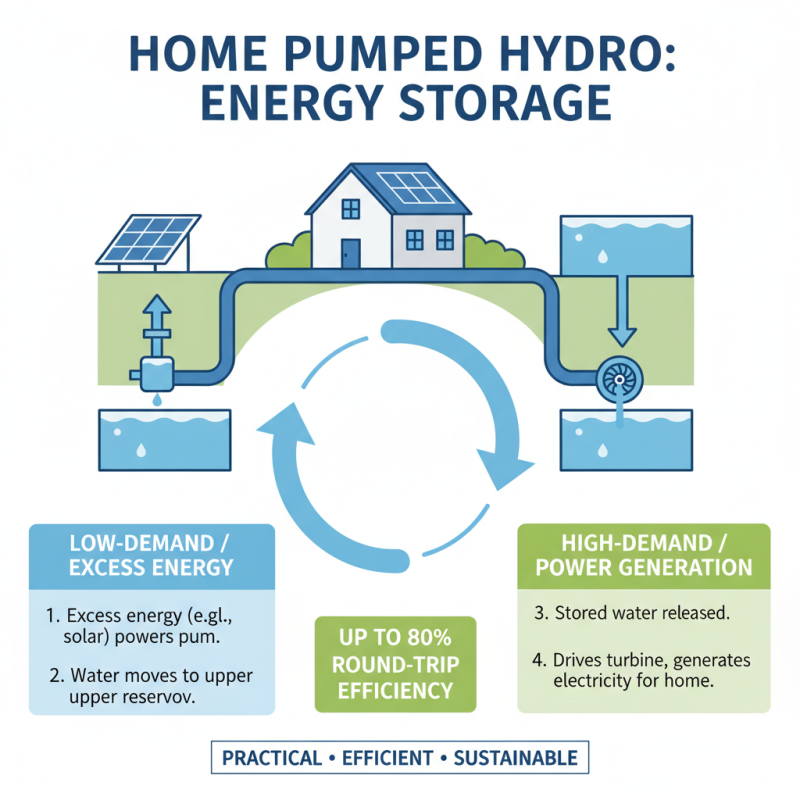
Home Pumped Hydro Storage offers a promising solution for energy management at home. This system harnesses the power of water to store energy efficiently. It operates by pumping water to a higher elevation during low energy demand. This process creates potential energy that can be released later when energy is needed.
Imagine a reservoir filled with water sitting on a hillside. When energy prices are low, excess energy pumps water to this elevated reservoir. When energy is expensive or demand peaks, the water is released back down to generate electricity. This method not only balances grid demand but also enhances renewable energy use.
However, the implementation of Home Pumped Hydro Storage can raise questions. Space for the system may be limited in urban areas. The initial setup cost can also deter potential users. Still, the long-term benefits could outweigh these concerns. Understanding the full potential of Home Pumped Hydro Storage requires careful consideration and planning.

What is Home Pumped Hydro Storage?
Home pumped hydro storage is an innovative energy solution. It uses water to store and generate electricity. This system functions by moving water between two reservoirs located at different altitudes. When energy demand is low, excess electricity pumps water uphill. When demand increases, the stored water flows downhill, driving turbines to generate electricity.
The process might seem simple, but it comes with challenges. For example, the efficiency of the system can vary. Factors like water evaporation and reservoir design play a role. Not every location is suitable for this kind of setup. A steep terrain is often ideal, yet not all areas have it.
In addition, maintenance of the reservoirs is crucial. Over time, sediment can accumulate, affecting performance. Regular assessments are necessary to ensure optimal functionality. Users must weigh the benefits against these potential drawbacks. While home pumped hydro storage offers great advantages, careful consideration is needed to maximize effectiveness.
Home Pumped Hydro Storage Energy Capacity Comparison
This bar chart illustrates the energy capacity of various home pumped hydro storage systems. Each system demonstrates varying capacities, showcasing the potential of residential energy storage solutions.
The Basic Principles of Pumped Hydro Storage Technology
Pumped hydro storage (PHS) is a well-established technology for energy management. It works by storing energy in the form of gravitational potential energy. In simple terms, water is pumped to a higher elevation during low-demand periods. During peak demand, this water is released to generate electricity. According to industry reports, pumped hydro systems can reach an impressive efficiency of 70% to 90%.
The basic principle relies on two reservoirs at different elevations. The gravitational pull helps in reversing the process when electricity is needed. Utilizing this method can help balance the grid, especially with the rise of intermittent renewable sources like wind and solar. Studies show that around 95% of the world's energy storage capacity comes from PHS.
However, there are challenges to its implementation. The initial capital costs can be high. Additionally, suitable geographical locations may be limited. Environmental considerations also play a role in site selection. These drawbacks highlight the need for further innovation in energy storage solutions, as the demand for reliable energy continues to grow.
How Home Pumped Hydro Storage Systems Function
Home pumped hydro storage systems harness the potential energy of water to store and supply electricity. They typically consist of two water reservoirs at different elevations. When demand is low, excess electricity pumps water from the lower reservoir to the upper one. According to the International Energy Agency, pumped storage accounts for about 95% of the world's total storage capacity for electricity. This method helps stabilize the grid, especially with increasing renewable energy sources.
During peak demand, the process reverses. Water is released from the upper reservoir back down, driving turbines that generate electricity. Each cycle often yields a round-trip efficiency of about 70-80%. However, challenges lie in the environmental impact of constructing large reservoirs and the geographical limitations of suitable locations. Reports indicate that less than 5% of potential sites are utilized effectively. As demand increases, further exploration of diverse locations and methods will be crucial.
Despite these challenges, home pumped hydro systems can play a vital role in energy sustainability. They offer a localized solution, reducing stress on centralized grids. Yet, their implementation faces hurdles like initial costs and regulatory approval. Balancing these aspects while fostering innovation will be necessary for their future success.
Benefits of Home Pumped Hydro Storage for Energy Efficiency
Home pumped hydro storage is gaining popularity as a practical solution for energy efficiency in homes. This technology effectively stores energy by using water to generate power when demand increases. During low-demand periods, excess energy pumps water to elevated reservoirs. Then, during peak times, that water is released to generate electricity. According to studies by energy research organizations, this method can achieve round-trip efficiencies of up to 80%. That’s a significant figure, revealing its potential for reducing energy consumption.
Adopting home pumped hydro storage can lead to notable financial savings. Households can lower their electricity bills by utilizing stored energy during peak hours. In some regions, homeowners have reported reductions of up to 30% in their monthly energy expenses. Moreover, as renewable energy sources like solar and wind grow in popularity, this technology complements them well. It can store excess energy generated on sunny or windy days. However, the initial investment might be a hurdle for some. This technology is not yet widely accessible, and its efficacy can vary based on local geography.
Social acceptance also poses challenges. Many people are unfamiliar with pumped hydro systems and their benefits. Education on how they work is crucial. Some communities may resist these systems due to perceived environmental impacts. Transparency in project planning and environmental assessments can address these concerns. Understanding its potential impacts can lead to broader acceptance and more widespread use of home pumped hydro storage.
Challenges and Considerations for Home Pumped Hydro Storage Implementation
Home pumped hydro storage (HPHS) is a promising technology for energy efficiency in residential settings. However, several challenges complicate its implementation. The initial investment can be substantial. Installing a home HPHS system might cost upwards of $20,000. This figure can deter many homeowners. Additionally, the technology requires a significant amount of space. Finding a suitable location that meets elevation differences is not always easy.
Regulatory hurdles also pose a barrier. Local zoning laws may restrict the construction of mini-hydropower facilities. Not every region supports HPHS, leading to inconsistent availability across different areas. Maintenance is another crucial consideration. Homeowners need to be prepared for ongoing upkeep. Neglecting maintenance can lead to system failures. A recent report indicated that a poorly maintained system could lose 20-30% efficiency.
Despite these challenges, HPHS can offer unique benefits. For instance, it provides cost-effective energy storage. When coupled with solar panels, it can reduce reliance on grid power. Efficiency rates can reach 70%-90% under optimal conditions. However, homeowners must weigh these benefits against initial costs and ongoing demands. They should consider whether the long-term savings justify the upfront investment. Engaging with local experts can help clarify these aspects.