Understanding the Importance of Solar Inverters and Battery Storage for a Sustainable Future
As the world grapples with the pressing challenges of climate change and energy sustainability, the integration of renewable energy sources is becoming increasingly vital. Among these sources, solar energy stands out as a clean and abundant alternative. Central to harnessing this potential are solar inverters and battery storage systems, which play crucial roles in optimizing solar energy usage.
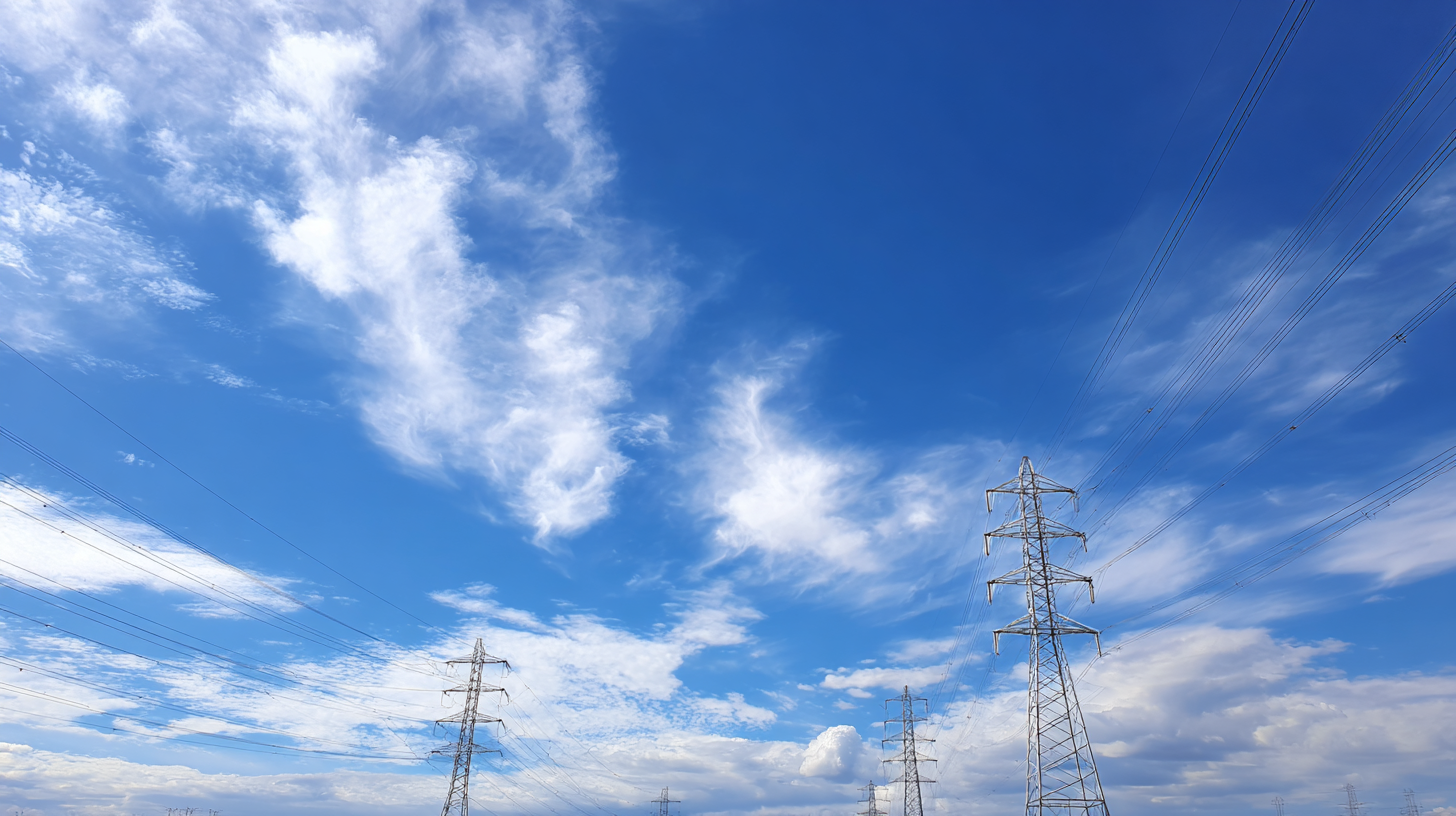
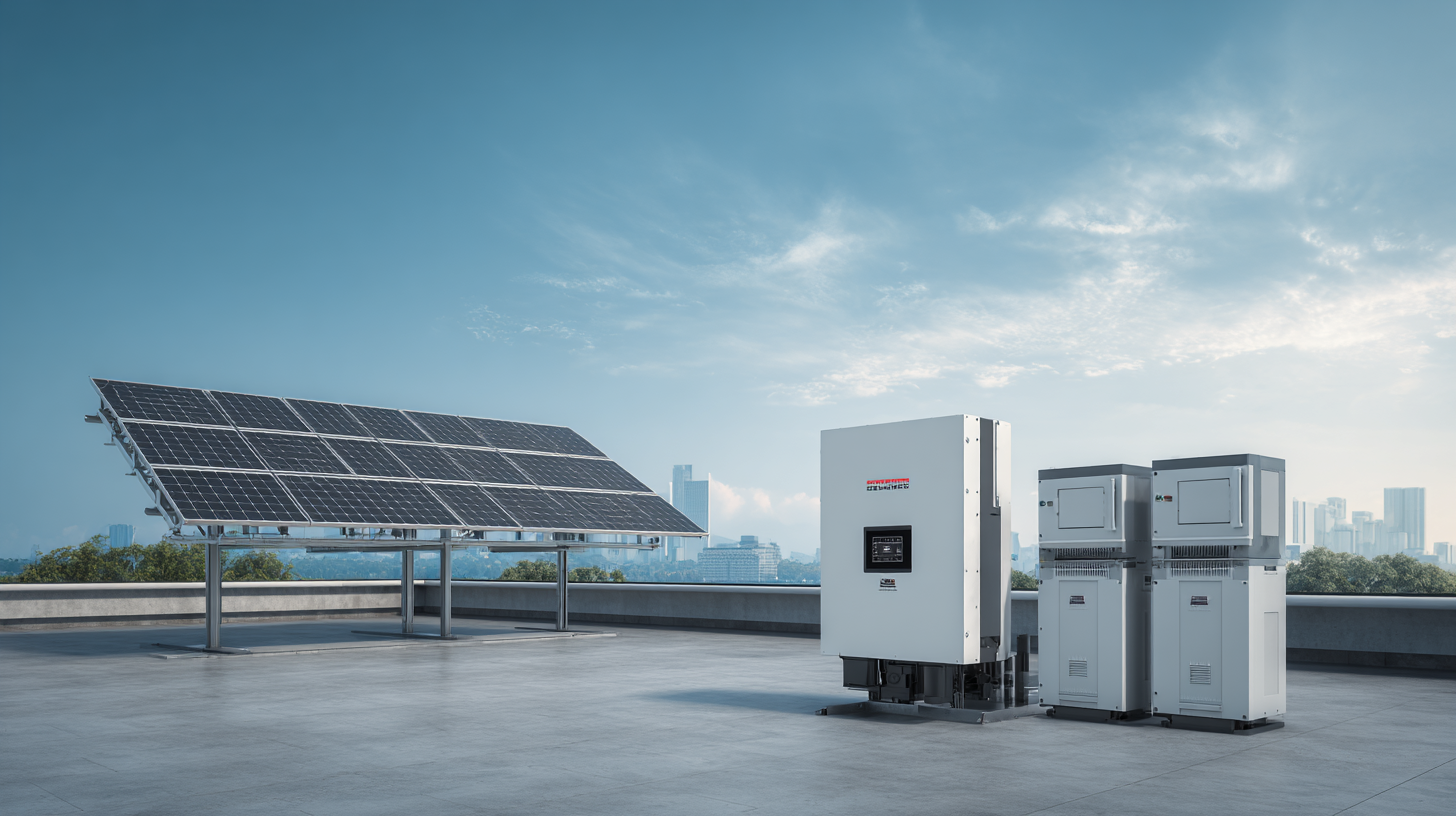
Solar inverters convert the direct current (DC) generated by solar panels into alternating current (AC), making it usable for household and industrial applications. Meanwhile, battery storage systems store excess energy generated during peak sunlight hours, ensuring a steady supply even when the sun isn't shining. Together, solar inverters and battery storage not only enhance the efficiency and reliability of solar power systems but also contribute significantly to reducing our carbon footprint. This article delves into the importance of these technologies and their role in paving the way for a sustainable future.
The Role of Solar Inverters in Enhancing Energy Efficiency and Grid Stability
Solar inverters are essential components of any solar energy system, playing a pivotal role in converting the direct current (DC) produced by solar panels into alternating current (AC) that can be used by homes and businesses. Their ability to optimize energy flow directly enhances energy efficiency. By employing advanced technologies like maximum power point tracking (MPPT), solar inverters ensure that the solar energy system operates at its peak performance. This not only maximizes energy output but also minimizes waste, contributing to a more sustainable approach to energy consumption.
Moreover, solar inverters significantly contribute to grid stability. As more renewable energy sources are integrated into the power grid, maintaining a balanced supply and demand becomes critical. Inverters help manage this balance by allowing excess energy to be fed back into the grid, thus reducing strain during peak demand periods. By seamlessly coordinating energy distribution, solar inverters play a key role in building a resilient and efficient energy network, facilitating a smoother transition towards a sustainable future powered by renewable resources. Their function is vital in shaping a reliable energy landscape that promotes environmental stewardship and energy independence.
Understanding the Importance of Solar Inverters and Battery Storage for a Sustainable Future
| Dimension |
Value |
| Average Efficiency of Solar Inverters |
95% |
| Average Lifespan of Solar Inverters |
10-15 years |
| Percentage of Renewable Energy in Grid |
20% |
| Average Cost of Battery Storage per kWh |
$400 |
| Potential Savings from Energy Storage |
30% on energy bills |
| Reduction of Peak Energy Demand |
15% reduction |
| Carbon Emission Reduction Potential |
1.5 million tons/year |
The Impact of Battery Storage on Renewable Energy Utilization Rates
The utilization of battery storage systems plays a crucial role in enhancing renewable energy utilization rates, offering significant advantages for sustainable development. Research indicates that integrating photovoltaic (PV) systems with effective energy storage technologies can substantially boost energy efficiency within various sectors, particularly in construction. For instance, recent analysis has demonstrated that renewable energy sources, such as solar and wind, paired with sophisticated storage solutions, can optimize energy use, reduce operational costs, and lower carbon emissions. According to industry reports, the economic benefits of these systems can result in energy savings of up to 20% for end-users.
Moreover, advancements in technology and policy are paving the way for greater adoption of battery storage in the renewable sector. The recent policy shift in major markets, which aims to reduce the cost of home batteries by up to 30%, is a testament to the growing recognition of storage solutions in facilitating a sustainable energy future. Additionally, studies reveal that price arbitrage opportunities present a viable business model for utilities, enhancing their grid stability while empowering consumers to manage their energy usage more effectively. As the demand for reliable and clean energy continues to rise, the role of battery storage becomes increasingly vital in achieving higher renewable energy utilization rates and facilitating a transition to a sustainable power landscape.
Evaluating the Cost-Benefit Analysis of Solar Inverters and Storage Solutions
The solar energy market is rapidly evolving, with solar inverters and battery storage systems playing a pivotal role in creating a sustainable future. The projected growth of the global solar battery storage market—from $6.39 billion in 2025 to $19.1 billion by 2032—indicates a compound annual growth rate of 16.94%. This surge highlights the increasing recognition of energy efficiency and the critical importance of integrating storage solutions with photovoltaic (PV) systems. By storing excess energy generated during peak sunlight hours, these systems allow consumers to utilize renewable energy more effectively, thereby reducing reliance on fossil fuels and enhancing grid stability.
The inverter market is also on an upward trajectory, anticipating growth from $46.57 billion in 2023 to an impressive $209.74 billion by 2032. Solar inverters are essential for converting the direct current produced by solar panels into alternating current, which can be fed into the grid. The enhanced functionality of modern inverters, including grid management and predictive maintenance capabilities, underlines their significance in maximizing the efficiency of solar energy systems. As the demand for renewable energy solutions grows, the integration of advanced technology in solar inverters and storage systems will be crucial to unlocking their full potential, ultimately driving down costs and increasing accessibility for all consumers.
Importance of Solar Inverters and Battery Storage for Sustainable Future
Emerging Technologies: Innovations in Solar Inverter and Battery Storage Systems
The rapid advancement of solar inverter and battery storage technologies is paving the way for a more sustainable energy future. Innovations in these systems are crucial as they enhance the efficiency and reliability of solar energy utilization. Modern solar inverters are now equipped with smart capabilities, allowing them to optimize energy conversion and grid interaction. These advanced models ensure that solar energy can be harnessed more effectively, even during fluctuations in sunlight, thus maximizing energy output.
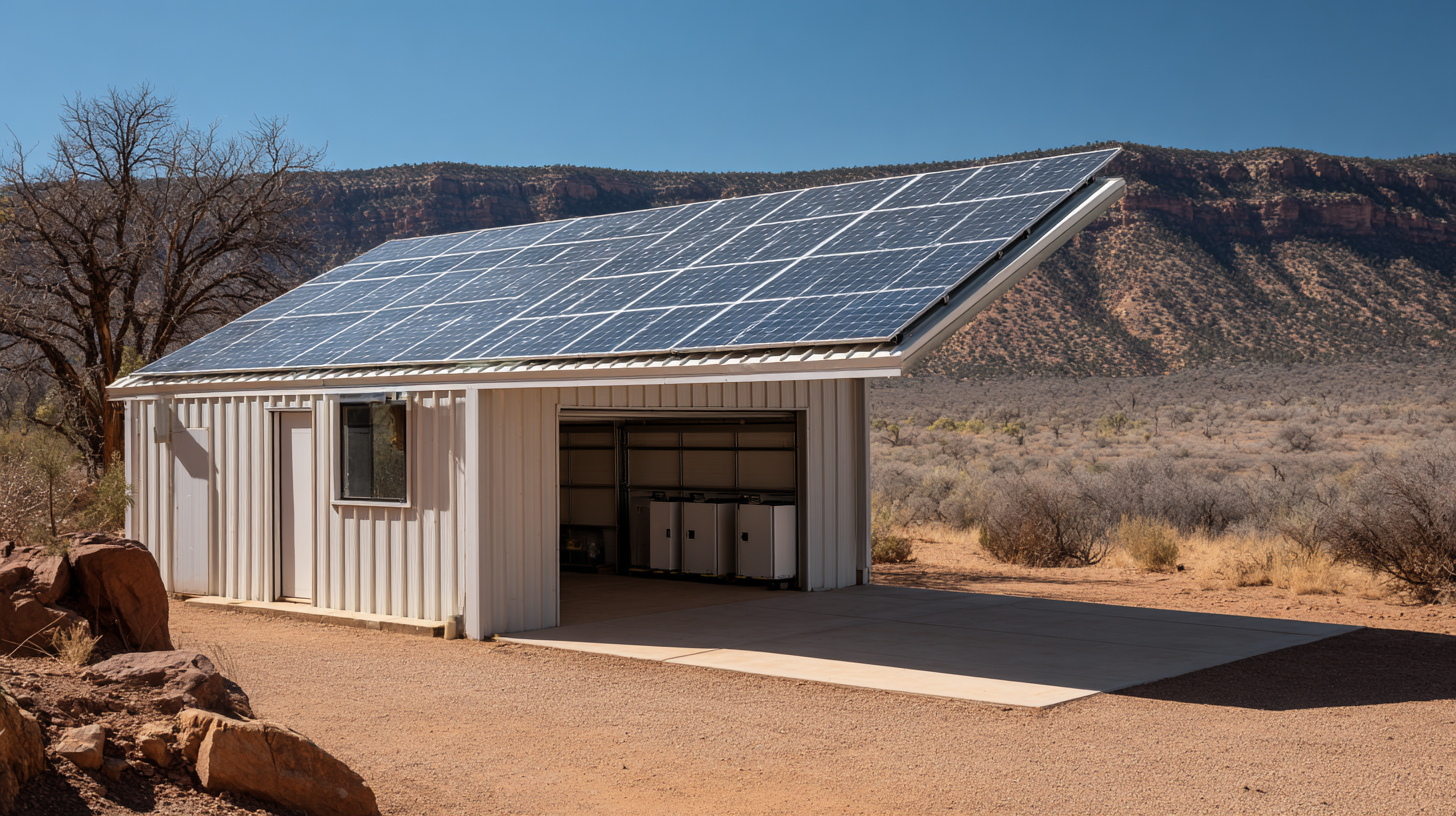
On the battery storage front, new technologies are emerging that significantly improve capacity, lifespan, and charging speed. Solid-state batteries, for instance, promise to revolutionize energy storage with their higher energy densities and increased safety. Additionally, innovations like flow batteries and lithium-sulfur batteries are addressing the challenges of energy sustainability by providing longer-lasting and more sustainable storage solutions. As these technologies evolve, they will not only support the transition to renewable energy sources but also play a pivotal role in energy management and grid stability, making renewable energy more accessible and reliable for consumers worldwide.
Future Projections: The Growth of Solar Inverter and Battery Storage Markets by 2030
The solar inverter and battery storage markets are poised for significant growth by 2030, reflecting the increasing demand for renewable energy solutions. The global battery technology market is projected to soar from $252.13 billion in 2025 to an impressive $431.65 billion by 2030, demonstrating a robust annual growth rate. Meanwhile, the solar energy market is expected to expand from $256.9 billion in 2023 to a staggering $4363.6 billion by 2032, with a compound annual growth rate (CAGR) of 6%.
**Tips:** As the renewable energy landscape evolves, consider incorporating solar inverters and battery storage systems into your energy strategy. These technologies not only enhance energy efficiency but also provide a sustainable solution to growing energy demands. Additionally, investing in advanced battery technology can lead to significant cost savings and energy independence.
The future looks promising for the energy storage sector, particularly with the rapid advancements in technologies such as vanadium redox batteries, which are anticipated to grow at a remarkable CAGR of 32.79% from 2024 to 2030. Embracing these innovations is essential for individuals and businesses aiming to secure a sustainable future and reduce their carbon footprint.