Why is Residential Thermal Storage Essential for Energy Efficiency?
Residential Thermal Storage is crucial for enhancing energy efficiency in homes. As energy demands rise, innovative solutions are necessary. This technology acts like a battery for heat, storing it during off-peak hours. It provides heating when needed, thus reducing reliance on conventional energy sources.
The implementation of Residential Thermal Storage can lead to significant savings. Homeowners can enjoy lower energy bills by optimizing usage during peak times. However, the initial investment and technology integration may pose challenges for some. It requires thoughtful planning and consideration of long-term benefits.
Moreover, effective use of Residential Thermal Storage contributes to a greener environment. By balancing energy consumption, it helps reduce carbon footprints. Yet, awareness and education about this technology remain limited. Exploring its potential and addressing these gaps is essential for widespread adoption.
The Role of Residential Thermal Storage in Modern Energy Systems
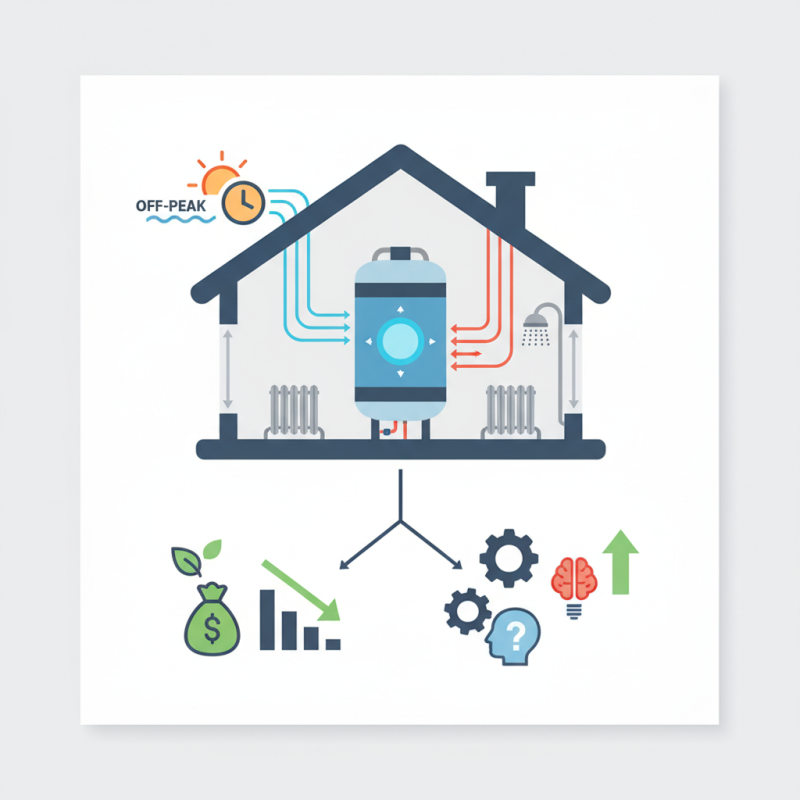
Residential thermal storage plays a pivotal role in modern energy systems. It allows homes to store excess heat during off-peak hours and use it later. This capability not only balances energy demand but also enhances efficiency. Imagine a household heating water during low electricity rates, then using that hot water throughout the day. Simple, effective.
However, the adoption of thermal storage is not without challenges. Many homes lack the infrastructure required for effective thermal storage. Retrofitting existing structures can be expensive and complex. Additionally, awareness about this technology remains low. Some homeowners may be hesitant to invest, unsure of the benefits.
Moreover, optimal insulation is crucial for thermal storage to be efficient. Poor insulation can lead to heat loss, undermining the system’s effectiveness. There’s a need for clearer guidelines and incentives to encourage uptake. Without proper education, misconceptions continue to persist. It's essential to foster discussions around these issues to unlock the full potential of residential thermal storage.
Energy Efficiency in Residential Thermal Storage
Understanding Energy Demand Shifts and Thermal Storage Solutions
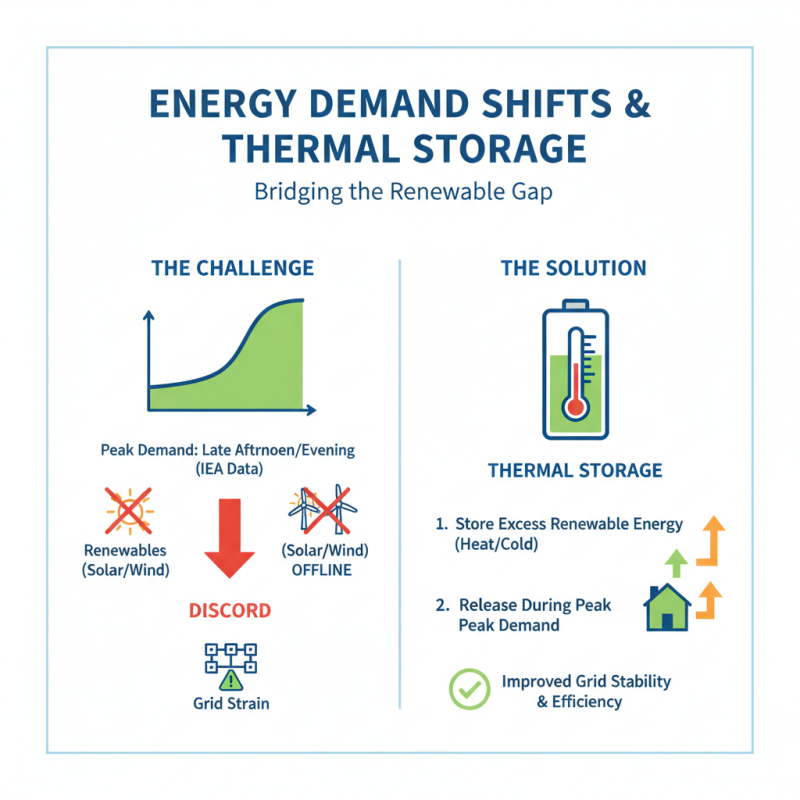
In recent years, energy demand patterns have shifted significantly. Peak demand often occurs when renewable sources like solar and wind are unavailable. According to the International Energy Agency (IEA), energy consumption peaks during the late afternoon and early evening. This discord creates challenges for grid management.
Residential thermal storage systems can address these challenges. These systems store excess energy during off-peak hours, allowing homeowners to use this energy later. For example, when electricity prices are lower, heating water or charging batteries can be more cost-effective. A study by the American Council for an Energy-Efficient Economy (ACEEE) reveals that thermal storage can reduce peak demand by up to 20%. This translates to more stable energy consumption levels.
However, there are gaps in implementation. Many homeowners are unaware of thermal storage technologies. Moreover, existing systems require upgrades to function efficiently. Data shows that only 12% of residential buildings currently utilize thermal storage. This underutilization hints at a need for education and investment. Addressing these challenges can unlock the full potential of thermal storage for energy efficiency.
Quantifying Energy Savings: Data on Thermal Storage Efficiency
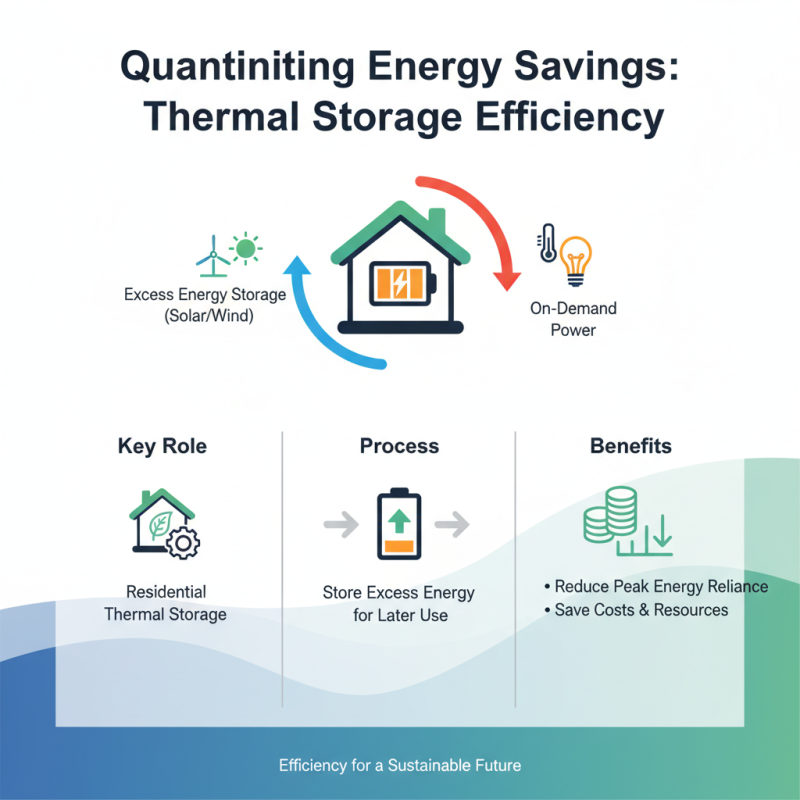
Residential thermal storage plays a key role in energy efficiency. It allows homes to store excess energy for later use. This process can reduce reliance on peak energy sources, saving costs and resources.
Data on thermal storage efficiency indicates significant energy savings. For instance, homes utilizing thermal batteries can reduce energy consumption by up to 30%. This not only decreases electricity bills but also lessens the carbon footprint. However, not all systems are equally effective. In some cases, installation and maintenance issues can lead to suboptimal performance.
Monitoring data integrity is crucial. Sometimes, inaccuracies in energy usage data can mislead homeowners. Therefore, regular assessments of thermal storage systems are needed. Minor adjustments can enhance efficiency and maximize savings. In essence, while thermal storage shows promise, users must remain vigilant and proactive to truly benefit.
Comparative Analysis of Thermal Storage vs. Traditional Energy Solutions
Thermal storage systems store heat for later use, making energy consumption more efficient. Unlike traditional solutions, which often generate power continuously, thermal storage allows for energy to be tapped into at different times. This flexibility can significantly reduce energy costs. For example, homes equipped with thermal storage can draw energy when it's cheaper, and use it during peak hours when costs rise.
Traditional energy solutions rely heavily on real-time energy generation. This method can lead to inefficiencies and higher costs. Imagine a hot water tank warming during off-peak hours. This stored energy can be used later for heating or hot water needs. However, not all thermal storage systems are optimized. Some designs may not hold heat effectively, leading to losses. It's essential to assess their efficiency and make improvements.
There is still some apprehension around thermal storage technology. Many homeowners are unsure due to initial installation costs. They might also worry about maintenance and performance over time. These concerns need addressing. Future advancements in technology could make these systems more user-friendly and cost-effective.
Regulatory Incentives and Support for Residential Thermal Storage Adoption
Regulatory incentives play a crucial role in promoting residential thermal storage. Governments are increasingly recognizing its potential to enhance energy efficiency. They offer financial incentives to homeowners who invest in thermal storage solutions. These may include tax credits, rebates, or low-interest loans. Such support reduces the initial financial burden. It makes the technology more accessible to the average homeowner.
Local regulations also encourage utility companies to develop programs promoting thermal storage systems. These programs help balance energy loads during peak times, preventing grid overload. However, not all regions have adopted such measures. Some areas still lack clear policies or financial support. This disparity leads to an uneven adoption of thermal storage technology across the country.
Moreover, homeowners often find the transition to thermal storage complex. They may be unsure about the technology's benefits or the installation process. This uncertainty can deter potential users. Education and awareness campaigns can help in this regard. Still, the lack of uniform regulations slows the progress. Overall, while incentives exist, they must be more widespread and tailored to encourage broader adoption.