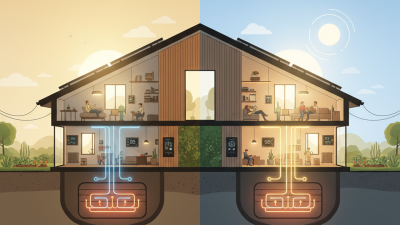
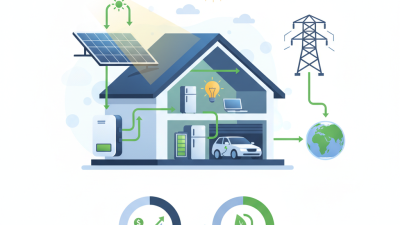
Top Residential Thermal Storage Solutions for Energy Efficiency?
Energy efficiency is a growing concern in residential spaces. According to the U.S. Department of Energy, residential thermal storage can reduce peak energy demand significantly. By storing energy during off-peak hours, homeowners can save on electricity costs. This approach helps balance energy consumption as well.
Recent studies reveal that residential thermal storage systems can increase efficiency by 20-30%. These systems utilize various technologies to store heat or cooling. Examples include water tanks and phase change materials. However, many homeowners still overlook these solutions. Some may fear high initial costs or complicated installations.
As we explore top residential thermal storage solutions, challenges remain. Education and awareness are essential for wider adoption. Energy efficiency requires investment, but the benefits can be substantial. By embracing residential thermal storage, we can work toward a more sustainable future.
Overview of Thermal Storage Technology in Residential Applications
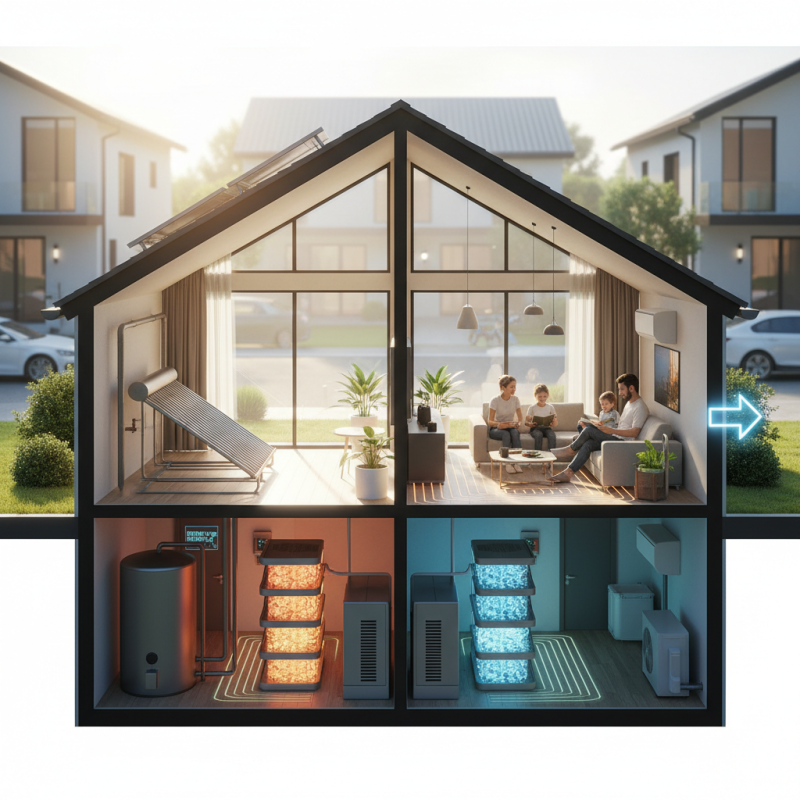
Thermal storage technology is gaining traction in residential energy efficiency. It allows homes to store thermal energy for use later. Systems like water tanks and phase change materials are common. They capture heat during the day and release it at night. This method reduces energy bills significantly. A report from the International Energy Agency suggests that thermal storage can provide up to 25% energy savings in residential settings.
Efficiency isn't just about savings. It’s also about balancing energy use. Mismanagement can lead to waste. For example, homes with poorly insulated storage tanks may lose heat rapidly. This calls for ongoing monitoring and updates to systems. As per a recent study, around 30% of thermal energy stored is often lost due to inadequate insulation. This is an area that requires attention.
Incorporating advanced technologies can help. Smart thermostats and automated systems can optimize usage. They adjust based on real-time energy prices and household needs. Data indicates that residential heat storage systems could cut peak demand by 15%. However, the technology is still evolving. Many homeowners remain unaware of its benefits. Education on this topic is crucial for wider adoption.
Top Residential Thermal Storage Solutions for Energy Efficiency
Current Market Trends in Residential Thermal Storage Systems
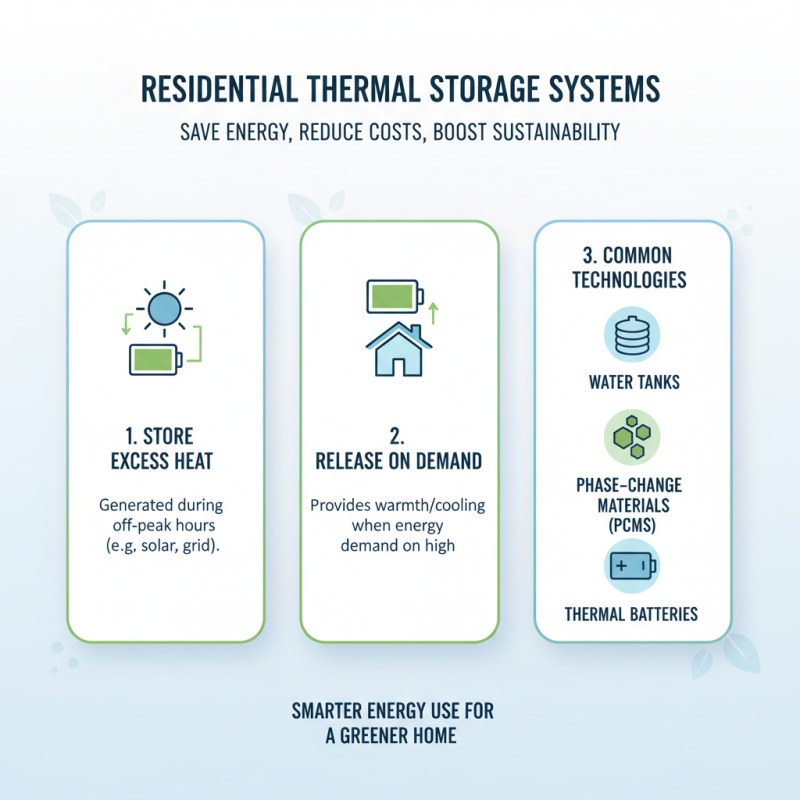
As homeowners seek ways to reduce energy costs and improve sustainability, residential thermal storage systems are gaining traction. These systems store excess heat generated during off-peak hours. They release the stored energy when demand is high. Such solutions include water tanks, phase change materials, and thermal batteries. Each offers unique benefits for residential applications.
Tips: Consider your local climate. It affects the efficiency of thermal storage. In colder regions, systems must retain heat longer. Proper insulation is crucial. Additionally, assess your household's energy patterns. Understanding when you use the most energy can optimize the benefits of thermal storage.
The current market shows a growing interest in automation. Smart systems can adjust heating schedules based on usage data. However, there’s a gap in user awareness. Many homeowners remain unclear on system installation and maintenance. This lack of information can lead to underutilization. Energy efficiency goals may stall without proper understanding.
Tips: Research installation costs and options thoroughly. Seek guidance from professionals. Ensure that your system integrates well with existing home infrastructure. This can prevent potential issues later. Embrace the journey towards energy independence. Empower yourself with knowledge to make informed decisions.
Key Benefits of Thermal Storage for Energy Efficiency and Cost Savings
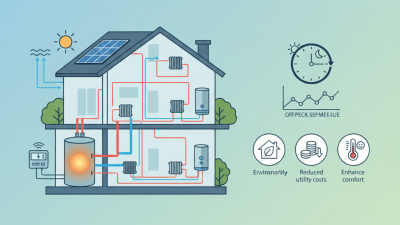
Thermal storage plays a vital role in enhancing energy efficiency in residential settings. By storing excess energy during low-demand times, homes can utilize it later when demand peaks. This shift not only reduces energy costs but also lowers the strain on the grid. Systems like water tanks or phase change materials can effectively manage heat absorption and release. These technologies enable homeowners to increase comfort while minimizing expenses.
The key advantages of thermal storage are compelling. Energy costs can decrease significantly by using stored heat during high tariffs. Additionally, thermal storage systems are often simpler and less expensive to implement than other energy-saving methods. However, proper installation and maintenance are crucial for optimal performance. Homeowners sometimes overlook these aspects, leading to underwhelming results. A small oversight can lead to higher energy bills instead of savings.
While thermal storage solutions offer many benefits, they also come with challenges. For example, the initial investment can deter some. Not all homes are suited for these systems, and insufficient knowledge can result in ineffective setups. Addressing these concerns is essential for maximizing energy efficiency. With careful planning and education, homeowners can truly benefit from thermal storage solutions.
Comparative Analysis of Leading Thermal Storage Solutions Available Today
Thermal storage solutions are crucial for enhancing energy efficiency in residential settings. Various methods exist today, each with unique advantages and drawbacks. For instance, water-based systems are popular due to their high heat capacity. However, they require space and can be heavy. On the other hand, phase change materials (PCMs) offer compact options, but can be costlier.
When choosing a solution, consider your specific needs. What is the size of your home? What is your budget? Think about maintenance requirements too. Storage systems often need regular checks. They can malfunction without proper care. Insulation is also vital; poor insulation can lead to energy loss.
**Tips**: Measure your energy usage. This data will help you select the best storage option. Review available space before deciding on the type. Finally, consult energy efficiency experts for tailored advice. Remember, every solution has trade-offs, and what works best may differ for each household.