Why You Should Consider a Solar House Battery System for Energy Independence
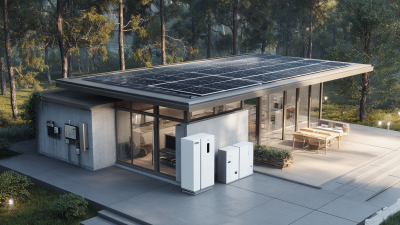
In an era where energy independence is becoming increasingly valuable, adopting innovative solutions like the Solar House Battery System can significantly transform how we consume and manage energy. As more homeowners seek ways to reduce their reliance on conventional energy sources, this system emerges as a beacon of sustainability and self-sufficiency. By capturing and storing solar energy generated during the day, a Solar House Battery System enables homeowners to utilize this clean energy even during peak consumption times or in the event of power outages.
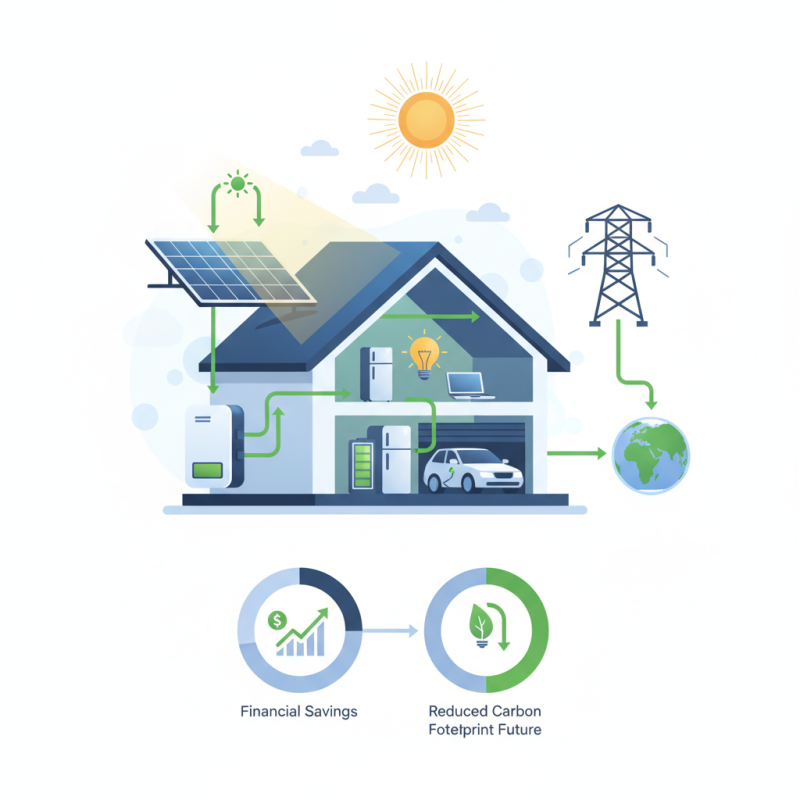
The benefits of integrating a Solar House Battery System into one’s home extend beyond mere energy storage; they encompass enhanced financial savings and a reduced carbon footprint. With rising energy costs and growing concerns about environmental sustainability, investing in solar battery technology not only fosters energy independence but also contributes to a greener future. As we delve deeper into the mechanics and advantages of these systems, it becomes evident that adopting a Solar House Battery System is not just a smart choice for today, but a critical step towards a sustainable lifestyle for generations to come.
Benefits of Solar House Battery Systems for Energy Independence
With the rising demand for renewable energy solutions, a solar house battery system stands out as an ideal choice for those seeking energy independence. One of the primary benefits of these systems is the ability to store excess energy generated during the day for use at night or during cloudy periods. This not only ensures a reliable power supply but also reduces reliance on the grid, leading to significant cost savings over time.
Another key advantage is the environmental impact. By utilizing stored solar energy, homeowners can minimize their carbon footprint and contribute to a cleaner environment. This aligns with the growing emphasis on sustainability and responsible energy consumption, making solar house battery systems not just a smart financial investment but also a powerful step toward a greener future.
**Tips:** When considering a solar battery system, evaluate your energy consumption patterns to determine the optimal battery size for your needs. Additionally, keep an eye on government incentives and rebates that can significantly lower initial setup costs. Finally, consult with a professional to select the best battery technology that aligns with your energy goals.
Benefits of Solar House Battery Systems for Energy Independence
Understanding the Mechanics of Solar Storage Technologies
The mechanics of solar storage technologies are integral to achieving energy independence and maximizing the efficiency of solar power systems. At the heart of these technologies are solar batteries, which store excess energy generated during the day for use at night or during cloudy periods. The most common types of batteries used in solar systems include lithium-ion and lead-acid batteries, with lithium-ion batteries gaining popularity due to their higher energy density, longer lifespan, and decreasing costs. According to a report by the International Renewable Energy Agency (IRENA), the cost of lithium-ion battery storage has plunged by 88% since 2010, making renewable energy solutions more economically viable than ever.
In addition to cost efficiency, advancements in solar storage technology have also improved system reliability. Modern batteries can now support complex energy management systems that ensure homeowners can utilize stored energy most effectively. For instance, a typical residential solar battery system can provide backup power for critical loads during outages, allowing homeowners to maintain essential services without resorting to grid dependence. The U.S. Department of Energy's Solar Energy Technologies Office estimates that energy storage could support up to 30% of the nation’s electricity supply by 2030, further enhancing the appeal of integrating solar batteries into home energy solutions.
Why You Should Consider a Solar House Battery System for Energy Independence
| Feature |
Description |
Benefits |
Considerations |
| Energy Storage Capacity |
Measured in kilowatt-hours (kWh), indicates how much energy can be stored. |
Allows for use of solar power during peak hours or outages, promotes energy independence. |
Higher capacity may require more space and a larger initial investment. |
| Battery Chemistry |
Common types include Lithium-ion, Lead-acid, and Flow batteries. |
Different chemistries offer varying efficiency, lifespan, and safety profiles. |
Research necessary to choose a suitable chemistry for specific needs. |
| Inverter Compatibility |
Inverters convert DC electricity from solar panels and batteries to AC electricity for home use. |
Ensures seamless integration and efficient energy use within the home. |
Incompatibility may lead to additional costs for upgrading equipment. |
| Warranty and Lifespan |
Typical warranty periods range from 5 to 15 years, indicates expected lifespan. |
Longer lifespan and better warranties ensure a good investment over time. |
Consider potential degradation of battery capacity over time. |
| Cost |
Initial investment includes purchase, installation, and setup costs. |
May offer savings on energy bills and protect against price fluctuations. |
Evaluate total ownership costs versus savings over time. |
Key Market Trends: Adoption Rates of Solar Batteries in Residential Areas
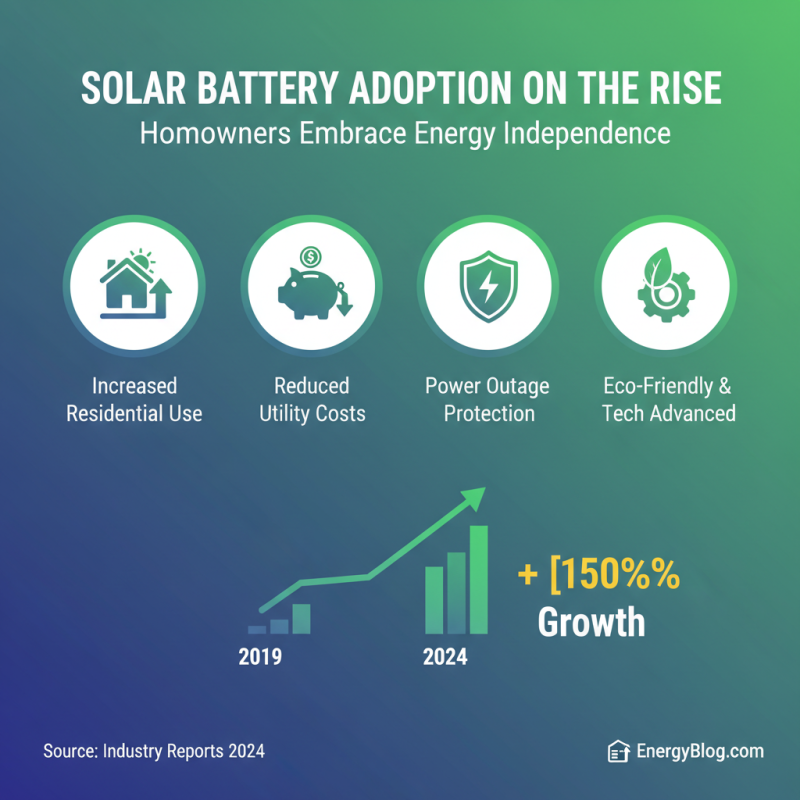
The adoption rates of solar battery systems in residential areas have seen a significant increase in recent years, reflecting a growing interest in energy independence among homeowners. As utility costs continue to rise, more individuals and families are seeking ways to reduce their reliance on traditional grid power. This shift is driven by an increasing awareness of environmental issues, coupled with advancements in technology that have made solar batteries more efficient and accessible. Many homeowners now view battery systems not just as an investment in renewable energy, but also as a safeguard against power outages and fluctuating energy prices.
As local policies and incentives promote clean energy adoption, the market for solar batteries is expected to expand even further. Regions with favorable regulations and robust incentive programs are witnessing higher adoption rates, as residents are motivated by the prospect of reduced electricity bills and long-term savings. Moreover, the integration of smart home technologies has made it easier for homeowners to manage their energy consumption, optimize battery usage, and maximize the benefits of solar power. This convergence of environmental consciousness, financial motivation, and technological advancement signifies a pivotal moment for residential energy solutions, highlighting the potential of solar battery systems to reshape how homeowners interact with energy.
Financial Analysis: Cost Savings and Incentives for Solar Battery Owners
Investing in a solar house battery system can significantly enhance your financial outlook while promoting energy independence. One of the primary benefits of these systems is the potential for cost savings on electricity bills. By storing excess energy generated during the day, homeowners can draw from their battery reserves at night or during peak demand times when utility rates are higher. This not only reduces reliance on the grid but can also lead to substantial savings over time, minimizing monthly energy costs.
In addition to direct savings, various incentives exist to encourage the adoption of solar battery systems. Many regions offer tax credits, rebates, or financing options that can offset the initial installation costs. These financial incentives make the transition to solar energy more accessible and affordable for homeowners. Furthermore, as the demand for renewable energy grows, future legislative measures may provide even more benefits for solar battery owners, enhancing the return on investment. Overall, the combination of immediate savings and potential incentives makes integrating a solar battery system a financially sound decision for those looking to gain energy independence.
Environmental Impact: Reducing Carbon Footprint with Battery Systems
As the world shifts towards sustainable energy solutions, the adoption of solar house battery systems stands out as a significant avenue for reducing one's carbon footprint. These systems enable homeowners to store solar energy generated during the day for use at night or during periods of low sunlight. According to the International Energy Agency (IEA), integrating battery storage with solar energy can lead to a reduction in greenhouse gas emissions by up to 80% for residential homes. This remarkable statistic highlights the potential of solar batteries in combating climate change while promoting energy independence.
In addition to lowering carbon emissions, solar house battery systems contribute to more efficient energy usage. A report from the National Renewable Energy Laboratory (NREL) indicates that households with solar battery systems can increase their self-consumption of solar energy by around 60%. This means that homeowners are not only using cleaner energy but also reducing reliance on fossil fuels, further decreasing overall environmental impact. By harnessing and storing renewable energy, we can mitigate the adverse effects associated with traditional energy sources.
**Tips:** When considering a solar battery system, it's essential to evaluate your household's energy consumption patterns to determine the right capacity. Additionally, look for options that offer longevity and efficiency, as these factors will significantly affect your system's performance and return on investment. Finally, take advantage of any local incentives for installing renewable energy systems, as these can dramatically decrease upfront costs and enhance your environmental impact.