Top Electric Car Charging Pile Options You Should Consider?
As electric vehicles become more popular, the demand for Electric Car Charging Piles is rapidly increasing. Industry expert Dr. Emily Carson states, "The right charging pile can significantly enhance your electric vehicle experience." This highlights the importance of selecting the best options available in the market.
Many consumers face confusion when choosing an Electric Car Charging Pile. Various factors come into play, including charging speed, compatibility, and cost. For instance, some charging piles offer fast charging, making them ideal for busy urban areas. Meanwhile, others focus on affordability and accessibility, appealing to daily commuters.
Moreover, the electric car charging infrastructure is still evolving. This rapid change can make it challenging for users to keep up. Potential buyers must consider their unique needs and the environment around them. As electric vehicle adoption grows, it becomes crucial to reflect on what charging piles best suit individual lifestyles.
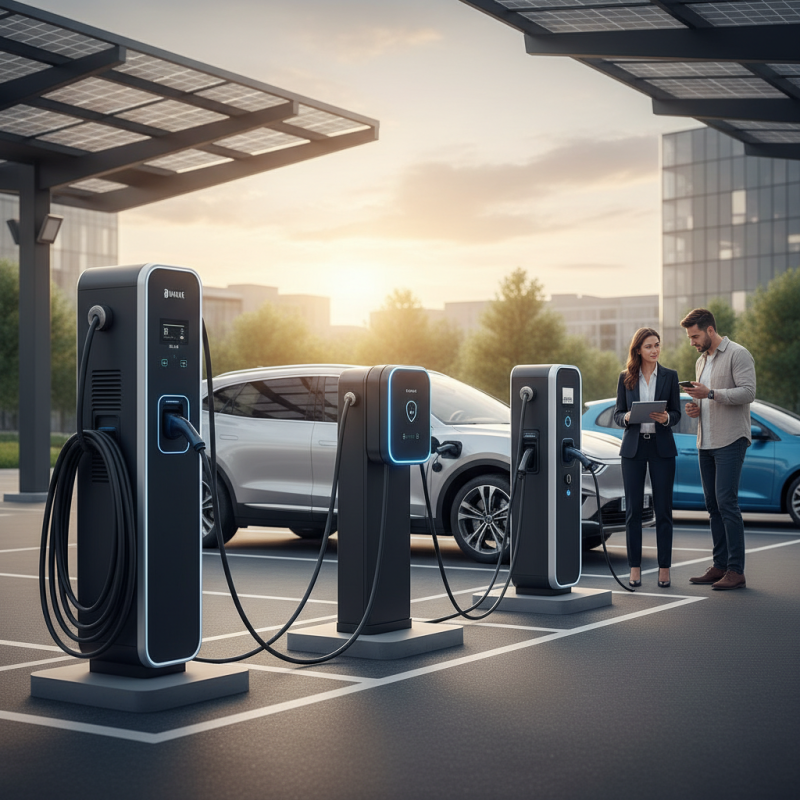
Overview of Electric Car Charging Pile Types
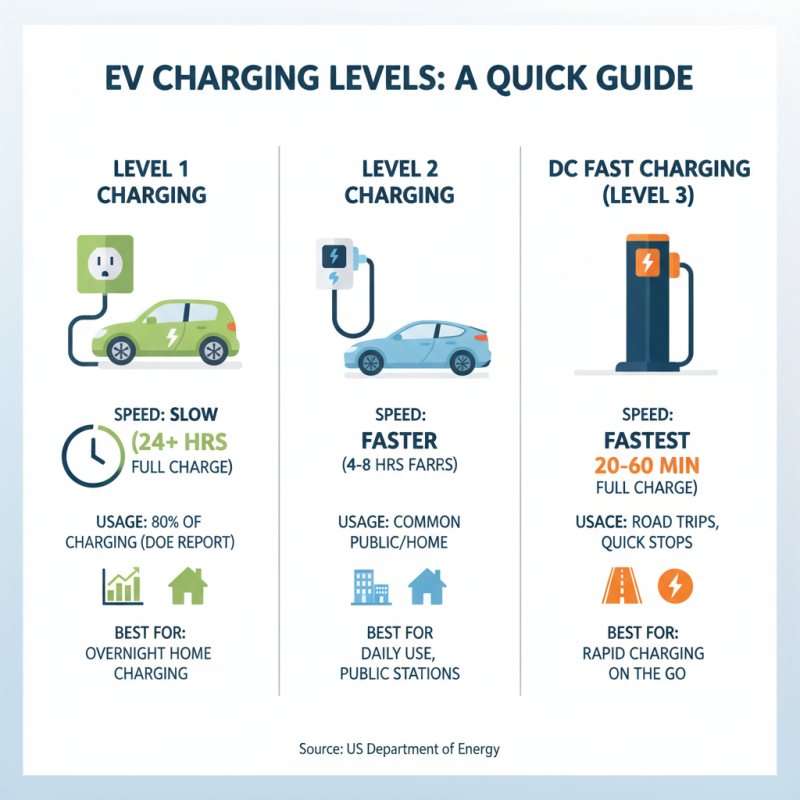
Electric car charging piles come in various types, each suited for different needs. Level 1 chargers are basic and use a standard household outlet. They are suitable for overnight charging, but the charging speed is slow, often taking up to 24 hours for a full charge. According to a report by the Department of Energy, Level 1 chargers account for about 80% of electric vehicle charging.
Level 2 chargers are more efficient. They require a 240-volt connection and can charge a vehicle in 4-8 hours. These chargers are popular in public charging stations and offer a good balance between speed and convenience. A study by the Electric Power Research Institute shows that Level 2 chargers can provide up to 25 miles of range per hour of charging.
Finally, DC fast chargers are what many drivers seek for quick top-ups. They can recharge a vehicle up to 80% in about 30 minutes. However, they are less common and often found along highways. A report indicates that fast chargers are essential for long-distance travel, yet they contribute to higher installation and maintenance costs for charging infrastructure. Evaluating these options is crucial for anyone looking to invest in charging solutions, as each type presents unique advantages and limitations.
Key Features to Consider When Choosing Charging Stations
When selecting electric car charging stations, key features are crucial. Power output is essential for quick charging. Level 2 chargers generally provide up to 40 amps, allowing vehicles to charge in about 4-8 hours. Fast chargers, known as DCFC, can provide 80% charge in just 30 minutes. According to the International Energy Agency, the global network of fast chargers is expanding rapidly, with over 400,000 stations expected to be operational by 2025.
Consider the connector type as well. Different vehicles use varied connectors, impacting compatibility. Many stations offer multiple connectors to cater to more vehicles. Location is also vital. Ideal sites include shopping centers, parking lots, and highways for convenience. A multi-faceted approach to location can enhance accessibility for users. Despite progress, challenges remain. Charging deserts still exist in many urban areas, raising concerns about accessibility. User experience is essential; malfunctioning chargers can deter users and reduce station use.
Finally, software features should not be overlooked. Integration with smartphone apps for monitoring and payment can streamline the process. Data from industry reports indicates that stations with better user interfaces enjoy higher utilization rates. While technology advances, the constant need for updates and repairs remains a challenge. Considering these features can lead to better choices when selecting charging stations.
Top Electric Car Charging Station Features
Comparison of Fast Charging vs. Level 2 Charging Options
When considering electric vehicle charging options, fast charging and Level 2 charging present distinct advantages and limitations. Fast charging stations are ideal for quick pit stops. They can replenish your battery to about 80% in just 30 minutes. This is convenient during long trips where time is essential. However, access to fast chargers may be limited in some areas. Not all locations provide rapid charging stations.
On the other hand, Level 2 chargers are more widely available. These chargers are perfect for home installations. They usually take several hours to fully charge a vehicle. This slower speed might be seen as a drawback. However, for everyday use, it often aligns with our schedules. Charging overnight while you sleep can be incredibly effective. You wake up to a full battery, ready for the day.
It's important to weigh the benefits against the practicalities of each option. Fast chargers may be appealing, but their availability is inconsistent. Level 2 chargers require patience, yet they can fit seamlessly into daily routines. Finding the right balance between convenience and charging speed is key. Exploring local options can pave the way for a more satisfying electric vehicle experience.
Best Brands for Home and Public Charging Solutions
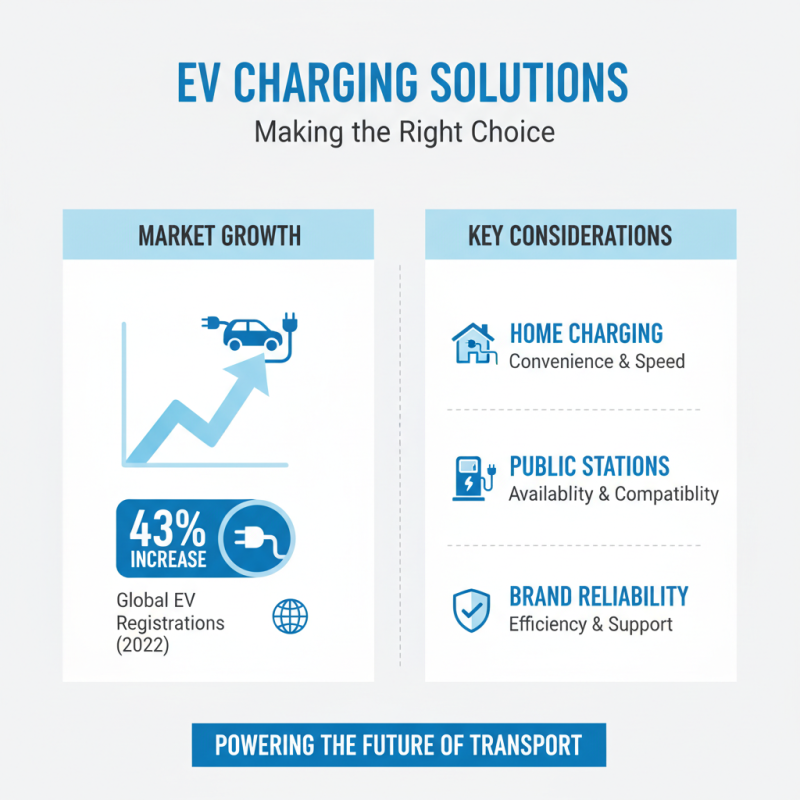
When considering electric car charging solutions, selecting the right brand is crucial. The market has grown significantly, with a global report indicating a 43% increase in EV registrations during 2022. This surge in popularity amplifies the need for efficient charging stations, both at home and in public spaces.
Home charging solutions offer convenience. Many households prefer Level 2 chargers for faster charging times. These chargers can deliver up to 25 miles of range per hour. For public charging, the trend leans towards DC fast chargers. These powerful units can provide up to 100 miles of range in just 30 minutes. However, the availability of these chargers may vary by region, leaving some users frustrated.
Installation can be a hurdle as well. Professional installation is often recommended, yet costs can add up quickly. The average installation can range from $500 to $2,000. Some locations lack sufficient electrical infrastructure to support charging stations, which limits accessibility. This inconsistency poses a challenge for electric vehicle owners who rely heavily on public networks. The variety in available solutions also leads to questions about compatibility and charging speeds, making standardization a pressing issue.
Future Trends in Electric Car Charging Technology and Infrastructure
The future of electric car charging technology is rapidly evolving. As of 2023, the global electric vehicle (EV) market is projected to grow by over 20% annually, according to industry reports. This surge comes with the pressing need for advanced charging infrastructure. Faster charging options are being developed, cutting down charge times significantly. Ultra-fast chargers can offer a full recharge in just 15 minutes. Improved battery technologies are also in the works, enhancing vehicle range and efficiency.
Tips: Consider having a home charging station. It can save time and make daily routines easier. Local incentives might help reduce installation costs.
Wireless charging is another trend gaining traction. This technology allows vehicles to charge without physical connections. While still in early development, experts foresee widespread adoption within the next decade. Furthermore, smart charging networks that communicate with vehicles are being implemented. These can optimize charge times based on energy demand and cost, allowing for more efficient energy use.
Tips: Look into grid-connected charging solutions. These can provide energy during peak times and reduce expenses.
Despite these advancements, some challenges remain. Accessibility and standardization of charging stations must be improved. As of now, not all regions have adequate coverage. Additionally, the integration of renewable energy sources into charging infrastructure is critical. This will help create a sustainable charging ecosystem.