Top Home Power Storage Units in China for Global Buyers?
As the demand for renewable energy solutions rises, Home Power Storage Units are becoming increasingly vital. According to a report by BloombergNEF, global home energy storage installations are projected to reach 20 million by 2030. This boom is driven by advancements in battery technology and growing consumer interest in energy independence.
In China, the market for Home Power Storage Units is rapidly expanding. With a significant investment in solar energy, residential storage systems are gaining traction. Research indicates that China’s market share for home energy storage could hit over 50% in the next few years. This trend highlights a shift towards sustainable living and efficient energy use. However, potential buyers must navigate diverse products and their performance levels.
While many units promise efficiency, integrating them into home systems can be complex. Installation costs, battery lifespan, and compatibility with existing solar systems require careful consideration. Buyers need to evaluate both the benefits and limitations. Despite the challenges, China’s innovations in Home Power Storage Units offer opportunities for global consumers seeking reliable energy solutions.
Key Features of Home Power Storage Units in China
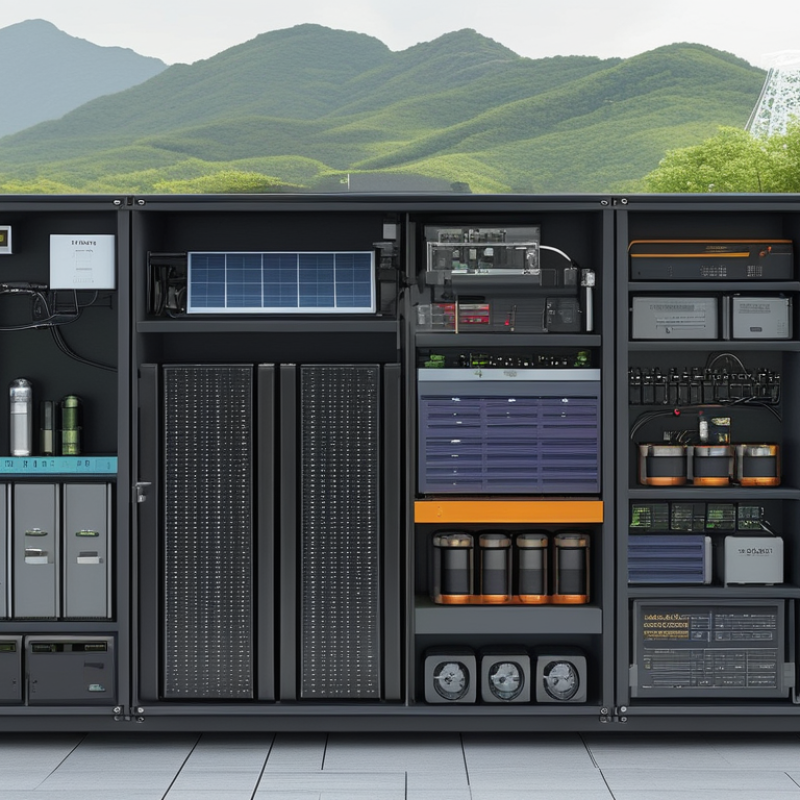
Home power storage units in China have gained popularity among global buyers. These systems offer various features that cater to different energy needs. One key benefit is their capacity to store renewable energy efficiently. Homeowners can harness solar energy, reducing reliance on grid power and saving money. The energy can be used during peak hours or when the sun isn’t shining.
When choosing a unit, consider storage capacity. Most options range from 5 kWh to 20 kWh. The size needed often depends on household consumption. Additionally, look for units with efficient battery management systems. These can extend battery life and improve performance.
Tips: Assess your energy consumption closely. Knowing your daily usage helps in selecting the right storage capacity. Check for warranties and after-sales support as well.
Integration with smart home systems is another vital feature. It allows better energy management through real-time data. Users can monitor energy use and make adjustments for efficiency. However, compatibility can be an issue in some cases. Always double-check before purchasing.
Investing in these power units can be financially rewarding. They can substantially decrease electricity bills over time. Yet, be prepared for upfront costs, which can be significant. Reflection on your budget and long-term benefits is essential.
Top Brands in the Chinese Home Power Storage Market
The Chinese home power storage market is rapidly growing, capturing the global interest of buyers. In recent years, the demand for home energy storage systems has surged by nearly 40%. This increase is driven by the rising demand for renewable energy solutions and energy independence. Estimates suggest that the market will reach valuations exceeding $10 billion by 2025.
Several key players dominate this landscape. Their products range from compact battery systems to larger, scalable solutions. Efficiency ratings and reliability are critical factors for consumers. According to a recent report, average battery efficiency for top brands stands at 90%. However, not all products on the market meet this standard.
Tips for buyers include assessing the lifespan of batteries, measured in cycles—typically 3,000 to 10,000. Consider installation processes and whether professional help is needed. It’s essential to review warranty terms, as they reflect the manufacturer's confidence in their product. While many options exist, thorough research will ensure informed choices.
Top Home Power Storage Units in China for Global Buyers
| Capacity (kWh) |
Battery Type |
Cycle Life |
Charging Time |
Price (USD) |
| 10 |
Lithium-ion |
4000 |
4 hours |
2500 |
| 15 |
Lithium Iron Phosphate |
6000 |
6 hours |
3500 |
| 20 |
Lithium-ion |
5000 |
8 hours |
4000 |
| 25 |
Lead-acid |
3000 |
10 hours |
2000 |
| 30 |
Lithium-ion |
7000 |
12 hours |
4500 |
Comparison of Battery Technologies Used in Power Storage
When exploring power storage technologies, the choice of battery chemistry greatly impacts performance. Lithium-ion batteries dominate the market due to their high energy density and efficiency. According to a recent report by BloombergNEF, lithium-ion battery costs have dropped by over 89% since 2010. This decline has led to increased adoption for residential power storage in China. However, they are not without drawbacks. Their lifespan is typically around 10 years, and performance can degrade under extreme temperatures.
Flow batteries present an alternative. They offer longer lifespans, often exceeding 20 years, thanks to their scalable design. A study by the International Energy Agency highlights that flow batteries can provide longer cycle durations than lithium-ion equivalents. However, their lower energy density means larger physical storage requirements. This makes them less appealing for limited residential spaces.
Sodium-ion batteries are emerging as a potential game-changer. They promise lower costs and resource availability. As per research published in Nature, sodium-ion batteries can achieve energy densities comparable to lithium-ion batteries. However, they are still in the development phase, with reliability issues to address. Global buyers must weigh these factors when choosing home power storage solutions.
Regulatory Factors Affecting Home Power Storage in China
Home power storage in China is influenced by various regulatory factors. The government aims to encourage renewable energy adoption. Yet, policies can be complex and changeable. Regulatory frameworks establish standards for safety and efficiency. They also dictate incentives for homeowners adopting storage technology. Navigating these rules can be challenging, especially for global buyers.
Tips: Always research local regulations. Understand how incentives apply in your region. Seek expert advice to clarify any confusion.
Recent policies emphasize energy independence. This pushes homeowners to invest in storage units. However, regional differences can lead to disparities in adoption rates. Some areas have ambitious goals; others are lagging behind. Sellers and buyers need to stay informed about updates. Changes can impact market dynamics significantly.
Tips: Join online forums for latest updates. Network with local experts for insights. Regularly check government releases for new information.
Understanding these regulatory factors is crucial. It helps buyers make informed decisions. Balancing cost and compliance can be tricky. Buyers might find compliance overwhelming. Yet, this remains essential for a successful investment in home power storage units.
Tips for Global Buyers: Import Considerations and Best Practices
When considering home power storage units, global buyers must navigate various import challenges. First, understanding regulations is crucial. Each country has its own import laws. Researching these can save time and money. Documentation, tariffs, and safety standards differ widely. Missing any information can lead to delays or fines.
Buyers should also evaluate shipping options carefully. Different methods can impact delivery times and costs. Air freight is fast but expensive. Shipping by sea is cheaper but slower. Evaluate your needs before deciding. Moreover, consider local market conditions. Prices can fluctuate based on demand and supply chain issues.
Finally, establishing relationships with manufacturers is vital. Communication is essential for a smooth transaction. Seek out reliable suppliers with a solid track record. Transparency fosters trust. However, be prepared for language barriers or cultural differences. Adaptability in negotiations is necessary. Reflecting on these factors ensures a more informed decision and successful import experience.
Top Home Power Storage Units in China for Global Buyers