Why Choose a Residential Battery Storage System?

Why Choose a Residential Battery Storage System?

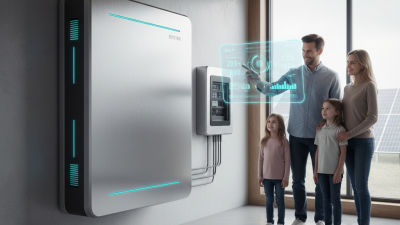
Electricity is becoming more flexible, but household demand remains highly personal. A Residential Battery Storage System stores surplus solar power during daylight hours. It can then supply lights, appliances, and essential devices after sunset. The reason is practical. A charged battery may also provide backup power during short outages, depending on system design and local conditions.

Industry data supports this shift. The International Energy Agency reported in Batteries and Secure Energy Transitions that global battery storage capacity must expand substantially by 2030. This growth reflects rising renewable generation and stronger demand for grid flexibility. BloombergNEF’s 2024 Battery Price Survey also recorded a significant decline in average lithium-ion pack prices. Lower costs improve the long-term case for home storage, although installation, maintenance, financing, and replacement costs still matter. The purchase price is only one piece.

A well-designed system can increase solar self-consumption and reduce exposure to evening electricity rates. It may also support selected household circuits during an outage. However, performance depends on battery capacity, inverter power, weather, tariffs, and daily usage patterns. A large battery is not automatically better. Oversizing can leave expensive capacity unused, while undersizing may disappoint during extended outages. NREL research on solar-plus-storage highlights the importance of system sizing and operating assumptions. Homeowners should review usable capacity, warranty terms, degradation, safety certifications, and installer experience. Results differ. Careful planning remains more valuable than attractive marketing claims.
Why Choose a Residential Battery Storage System?

What Is a Residential Battery Storage System?

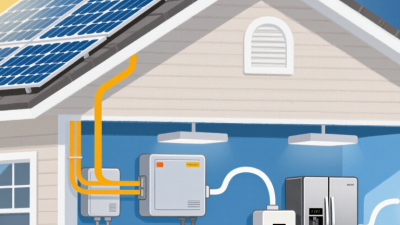
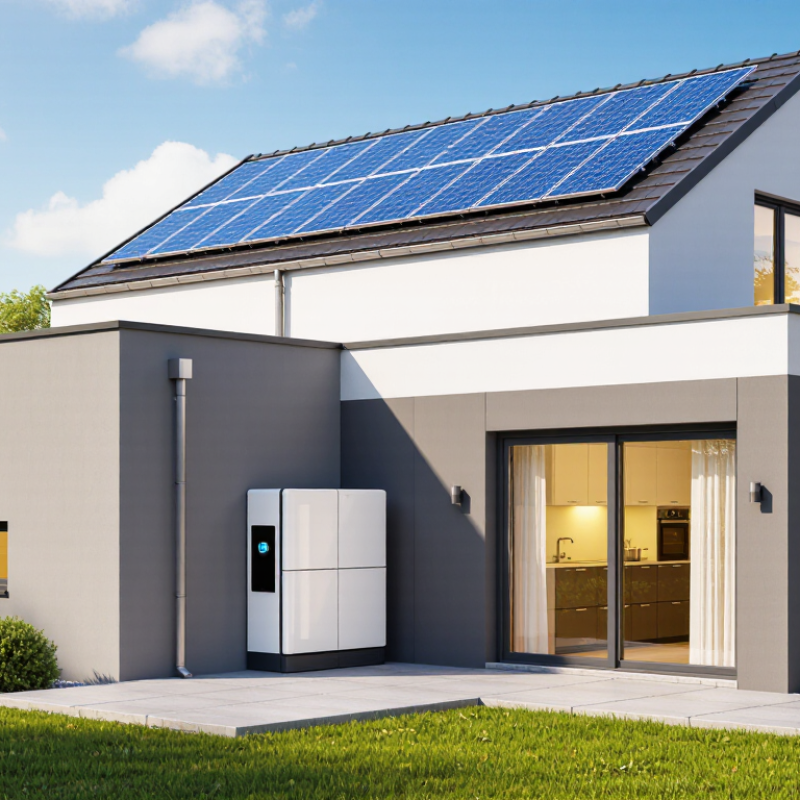
A residential battery storage system is a rechargeable unit installed beside a home’s electrical panel. It stores electricity from rooftop solar or the grid, then releases it when demand rises. A battery management system controls charging, temperature, safety, and available capacity. An inverter converts stored direct current into household alternating current. In practical terms, it is a quiet energy reservoir in a garage or utility room.

The U.S. Department of Energy defines energy storage as capturing electricity for later use. That function can reduce evening grid purchases and provide limited backup during outages. The National Renewable Energy Laboratory’s Storage Futures Study projects 213–572 gigawatts of U.S. energy storage by 2050, depending on market conditions. These figures include multiple sectors, not only homes, but they show storage becoming more important.

A home system usually includes battery modules, an inverter, monitoring software, and safety disconnects. Capacity is measured in kilowatt-hours, while power output uses kilowatts. For example, a 10-kilowatt-hour battery cannot necessarily run every appliance overnight. A refrigerator, lights, router, and medical equipment may fit its limits; electric heating may not. The U.S. Energy Information Administration notes that battery performance depends on duration, efficiency, and operating conditions. Real-world losses matter. So do installation rules, warranty limits, and local electricity rates. I would not treat a battery as effortless independence. Its value changes with weather, tariffs, household habits, and honest load calculations.

How Residential Batteries Store and Manage Electricity

Why Choose a Residential Battery Storage System?
How Residential Batteries Store and Manage Electricity

A residential battery stores electricity as chemical energy inside rechargeable cells. An inverter changes household AC power into DC power during charging. It reverses that process when appliances need electricity. A battery management system monitors temperature, voltage, and charge levels. This protects the cells and improves daily performance.

Timing matters. Solar panels may produce their most energy at noon, while household demand often rises after sunset. The battery captures surplus solar power, then releases it during evening cooking, cooling, or lighting. With time-of-use pricing, control software can charge during cheaper periods and discharge during expensive periods. The U.S. Department of Energy notes that many battery systems achieve roughly 85–95% round-trip efficiency. Some energy still disappears as heat and conversion loss.

The wider energy system is moving quickly. The International Energy Agency’s Batteries and Secure Energy Transitions report says global battery storage capacity must expand sixfold by 2030. That growth supports renewable electricity, but household results remain site-specific. NREL research shows battery value depends on tariffs, weather, load patterns, and system sizing. Bigger is not always better. An undersized battery may empty before bedtime, while an oversized one can sit idle. In real homes, imperfect forecasts and changing routines complicate control. A practical system therefore needs transparent settings, safe installation, and regular performance checks.

Key Benefits of Home Battery Storage

Home battery storage turns electricity into a practical household resource. During a blackout, it can keep a refrigerator, router, lights, and selected outlets running. The U.S. Energy Information Administration reported about 5.5 hours of average power interruptions in 2023, excluding major events. That figure makes resilience more than a technical selling point for many families. Still, backup depends on battery size, wiring, and which circuits the installer connects.

Solar users gain another advantage. A battery can store surplus power at noon, then release it after sunset when cooking, cooling, and charging demand rises. The International Energy Agency’s 2024 Batteries and Secure Energy Transitions report says global energy storage capacity must expand sixfold by 2030. Residential systems form one part of that wider flexibility challenge. They can also reduce exposure to time-based electricity prices, although savings vary by tariff and local rules.

The economics are not perfect. Batteries lose some energy during charging and discharging, and their capacity gradually declines. A household should review usable capacity, warranty conditions, fire-safety requirements, and replacement costs before purchasing. A professional load assessment is valuable. Without one, an attractive system may fail to support a heat pump or well pump. That is an uncomfortable detail, but an important one. The best design matches real nighttime demand, not an idealized energy profile.

Factors to Consider Before Choosing a Battery System

Why Choose a Residential Battery Storage System?

Factors to Consider Before Choosing a Battery System

A residential battery can store daytime solar power for evening use. It can also provide backup during short outages. The right choice depends on your household’s real energy habits, not only its advertised capacity. Review your electricity bills and identify evening peaks, essential appliances, and seasonal changes. A battery rated at 10 kWh may deliver less usable energy after reserve settings and conversion losses. Check usable capacity, round-trip efficiency, power output, and expected degradation.

Safety deserves careful attention. Ask whether the system has recognized safety certifications and qualified installation support. Confirm local permits, placement rules, ventilation needs, and insurance requirements. Outdoor heat, cold garages, flooding, and limited wall space can affect performance. The battery should support your critical loads, such as a refrigerator, medical equipment, lights, or internet equipment. It may not run every appliance at once. That limitation is easy to overlook.

Tips: Compare total ownership cost, not just purchase price. Include installation, maintenance, monitoring, replacement, and electricity-rate assumptions. Ask how the warranty measures capacity loss over time. A clear answer matters. I would also request a written backup test plan. Real homes rarely behave like spreadsheets, and my first estimate might be wrong if future appliances are ignored. Leave room for honest revision.

Why Choose a Residential Battery Storage System? - Factors to Consider Before Choosing a Battery System

Evaluation Factor Typical Residential Range or Standard Why It Matters What to Check Before Choosing
Usable Energy Capacity Approximately 5–20 kWh for many homes Determines how much electricity can be stored and used after sunset or during an outage. Compare usable capacity rather than only the battery’s nominal capacity. Review daily consumption and critical-load requirements.
Continuous Power Output Common home systems provide roughly 3–10 kW Shows how many appliances can operate simultaneously. Add the running loads of essential appliances and check whether high-starting-current equipment, such as pumps or compressors, is supported.
Backup Duration Often several hours to one day, depending on capacity and loads A larger battery does not necessarily provide longer backup if household demand is high. Estimate runtime using critical loads only, such as refrigeration, lighting, communications equipment, and medical devices.
Round-Trip Efficiency Approximately 85%–95% for modern systems Higher efficiency means less energy is lost while charging and discharging. Confirm whether the stated efficiency includes the battery, inverter, and other system losses.
Battery Chemistry Lithium iron phosphate (LFP) is widely used in residential storage Chemistry affects safety characteristics, usable capacity, cycle life, weight, and operating limits. Review the safety certifications, thermal-management design, installation requirements, and local code compliance.
Depth of Discharge Commonly about 80%–100%, depending on the system It indicates how much of the nominal capacity can be used without exceeding recommended operating limits. Use the manufacturer’s guaranteed usable capacity and understand how reserve capacity is managed.
Cycle Life and Service Life Many home batteries are designed for approximately 10–15 years of service Battery performance gradually declines with use, temperature, age, and charging conditions. Check guaranteed capacity at the end of the warranty period, cycle limits, throughput limits, and temperature conditions.
Solar Compatibility Can be AC-coupled, DC-coupled, or configured with hybrid equipment Compatibility affects energy losses, retrofit complexity, and whether solar power can recharge the battery during an outage. Confirm solar inverter compatibility, backup charging capability, and whether additional electrical equipment is required.
Operating Temperature Performance varies by model; many systems require controlled limits for charging and discharging Very high or low temperatures can reduce available power, efficiency, and battery life. Choose an appropriate indoor or outdoor location and check whether heating, cooling, ventilation, or weather protection is needed.
Backup Switching Time Typically near-instantaneous to several seconds, depending on system design Switching speed determines whether sensitive electronics remain powered during a grid interruption. Verify whether the system provides whole-home or selected-load backup and whether an automatic transfer device is included.
Scalability Some systems support modular expansion; limits vary by design Expansion allows storage capacity to grow with changing electricity use or future solar generation. Check maximum battery units, compatible firmware, available installation space, and whether expansion affects the warranty.
Monitoring and Controls Mobile or web-based monitoring is common Monitoring helps track energy flows, battery state of charge, system alerts, and backup performance. Review data access, internet requirements, cybersecurity measures, software support, and control options during outages.
Installation and Permits Requirements depend on local electrical, fire, and building regulations Permitting, inspections, wiring, structural work, and utility approval can affect project time and total cost. Obtain a site assessment and confirm that the installer handles permits, inspections, interconnection, and commissioning.
Total Cost of Ownership Includes equipment, installation, permits, maintenance, replacement, and electricity savings The lowest purchase price may not provide the best value over the system’s operating life. Compare usable kWh, power output, efficiency, warranty coverage, expected degradation, tariffs, incentives, and maintenance costs.
Primary Use Case Solar self-consumption, backup power, time-of-use savings, or demand management The best system size and operating settings depend on the reason for installing storage. Identify the main objective first, then size the system around electricity usage patterns, outage risks, and local utility rates.

Note: Performance ranges are general residential benchmarks. Actual results depend on system design, climate, installation quality, household loads, operating settings, local regulations, and utility tariffs.

How to Select the Right Residential Battery for Your Home

Choosing the right residential battery starts with your household’s actual electricity pattern. Review hourly consumption, not just the monthly bill. A family using an electric cooker, heat pump, or well pump needs different capacity from a small apartment. My early mistake was sizing for total daily usage. Evening demand mattered more.

Compare usable capacity, continuous power, round-trip efficiency, and operating temperature. Usable capacity shows how much energy you can access. Power rating determines whether the battery can run a refrigerator, pump, and lights together. The International Energy Agency reported that global battery storage deployment more than doubled in 2023, showing rapid market growth but also uneven product quality (Batteries and Secure Energy Transitions, 2024). Efficiency figures require careful reading. Some manufacturers quote ideal laboratory results.

Safety and service support deserve equal attention. Look for documented testing, thermal management, remote monitoring, and qualified installation. The U.S. Department of Energy identifies safety, performance, and lifecycle cost as key considerations in energy storage planning. Ask how the system performs during heat, cold, and repeated outages. A ten-year warranty sounds strong, but its capacity-retention terms may be less generous. Read the exclusions. Also check whether the inverter supports future solar expansion and critical-load backup. A larger battery is not automatically better; oversizing can increase cost while leaving stored energy unused. Forecasts can be wrong. Your own load data is usually more valuable than a sales estimate.