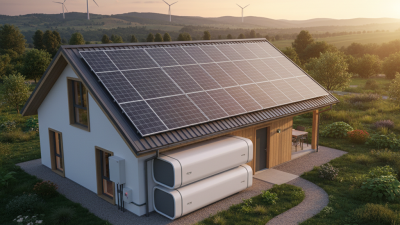
China Top Solar Array With Battery Storage Suppliers
China has become a major source of integrated solar energy equipment, serving residential, commercial, and utility-scale projects worldwide. This article examines leading suppliers of Solar Array With Battery Storage systems and the practical factors behind their market reputation.
A reliable supplier should provide more than photovoltaic panels and batteries. It should offer compatible inverters, energy management software, monitoring tools, and responsive technical support. Product quality matters at the installation site. A rooftop system may face heat, dust, heavy rain, or unstable grid conditions. Battery safety certifications, cycle life, warranty terms, and documented testing deserve careful attention.
Experienced buyers also compare production capacity, export experience, delivery records, and after-sales service. Some Chinese manufacturers operate automated factories and maintain testing laboratories. Others depend heavily on subcontractors, which may affect consistency. This distinction is easy to miss.
The “best” supplier depends on project size, climate, budget, and local regulations. A compact home system needs different specifications from a warehouse or remote microgrid. Buyers should request sample datasheets, performance guarantees, and clear warranty exclusions before signing contracts. Price alone can be misleading. A lower initial quotation may hide software limitations, replacement costs, or weak commissioning support.
This guide evaluates suppliers through practical, evidence-based criteria rather than promotional claims. It also recognizes uncertainty, because company capabilities and product lines change. Independent inspections, verified references, and professional electrical assessments remain valuable. Even strong suppliers can make mistakes. Careful comparison protects investment and supports safer, more dependable clean-energy projects.
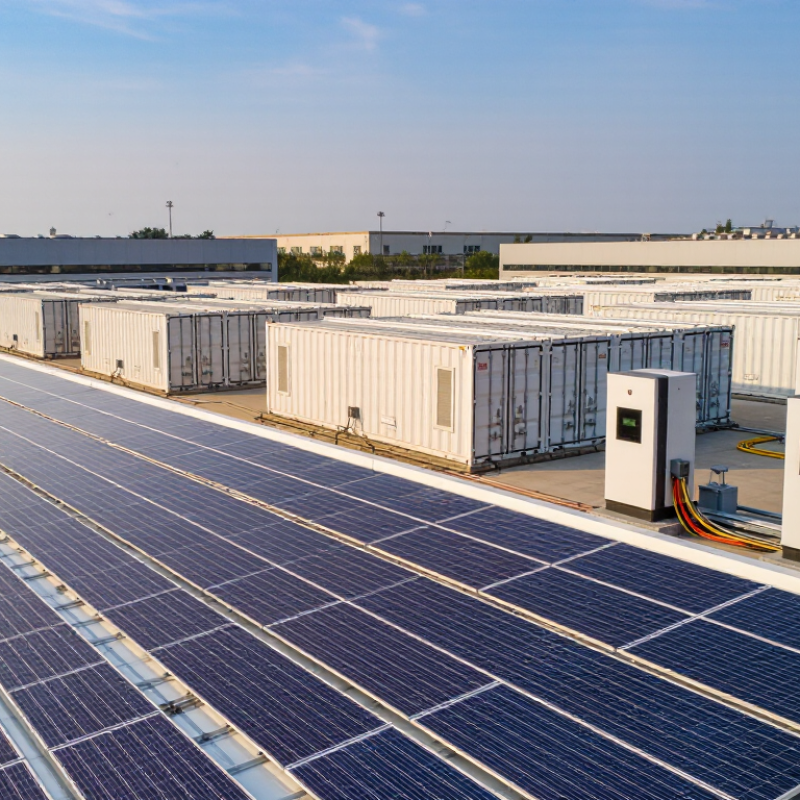
China’s Solar-Plus-Storage Market: 216.9 GW of PV Added in 2023
China added 216.9 GW of photovoltaic capacity in 2023, reshaping its solar-plus-storage supply chain. This figure is more than a headline. It represents factory capacity, installer experience, and a growing need for flexible electricity. Large solar arrays now require storage that can respond after sunset, during cloud cover, and at grid peaks. That gap matters.
When evaluating Chinese suppliers, buyers should inspect cell traceability, battery chemistry, thermal controls, and inverter compatibility. A low purchase price can hide higher replacement, testing, or transportation costs. Ask for measured round-trip efficiency, usable capacity, degradation data, and protection settings.
Request project references with similar weather and operating conditions. Field evidence is stronger than a polished brochure. Still, no supplier fits every project. That is worth admitting.
Desert installations may need dust protection and wide temperature tolerance, while coastal sites face humidity and salt exposure. Urban systems often need compact cabinets, quiet operation, and clear fire-safety procedures. Reliable suppliers explain commissioning steps, remote monitoring limits, spare-part access, and warranty exclusions in plain language. Buyers should also verify local compliance and independent test records before signing. Numbers can mislead. Actual performance depends on sizing, dispatch rules, maintenance, and grid conditions. In 2023, China’s 216.9 GW addition showed momentum; it did not remove those practical risks.
Solar Array Technologies: 20%–24% Module Efficiency and 25-Year Lifespan
China Top Solar Array With Battery Storage Suppliers
Solar Array Technologies: 20%–24% Module Efficiency and 25-Year Lifespan
Solar modules rated at 20%–24% efficiency convert strong sunlight into more usable electricity. These figures come from standard laboratory conditions, not every rooftop. Dust, heat, shading, and poor orientation can reduce daily output. Real projects need measured roof dimensions and local solar data.
A 25-year lifespan usually describes the module’s design period. It does not mean the panel keeps its original performance forever. Well-documented modules often include a gradual degradation curve, commonly around 0.3%–0.5% annually. Ask suppliers for independent test reports, production traceability, and clear warranty terms. Small details matter.
Battery storage adds evening flexibility. A properly sized system can store midday generation for lighting, refrigeration, or evening charging. However, battery capacity alone does not show quality. Review usable capacity, cycle performance, temperature control, and emergency shutdown features. Installation experience also affects safety and long-term results.
During supplier evaluations, request a complete energy model. Compare predicted output with conservative assumptions. Some proposals look impressive because they ignore winter shadows or battery losses. That is a warning sign. Factory audits, sample inspections, and after-sales response records can reveal more than a polished brochure. Even strong systems need cleaning, monitoring, and occasional replacement planning. Performance is never perfectly uniform.
Leading Chinese Suppliers: LONGi, JinkoSolar, Trina, JA Solar, and Sungrow
China’s leading solar suppliers now serve projects that combine large photovoltaic arrays with battery storage. The five most compared providers include module specialists, integrated energy companies, and inverter-storage manufacturers. Their strengths differ. Some emphasize high-efficiency panels, while others focus on battery integration, monitoring, and grid compatibility.
From practical project reviews, buyers should examine real operating data, not only laboratory efficiency. Check temperature coefficients, degradation rates, usable battery capacity, and round-trip efficiency. A strong supplier should provide traceable test reports, clear warranties, responsive technical support, and documented safety certifications. Installer experience also matters. A well-designed system can still perform poorly after weak commissioning. No supplier is perfect. My own preference may change after reviewing local climate, tariffs, and maintenance conditions.
Tips: Compare complete system costs, not panel prices alone. Request references from projects with similar heat, humidity, and load patterns. Confirm whether battery replacement, software updates, and spare parts are included. Ask for a written response-time commitment. Leave space around battery cabinets for inspection and ventilation. Oversizing storage sounds attractive, but it can increase idle capacity and reduce financial value. Review the warranty exclusions carefully; they often deserve more attention than the headline coverage period.
Supplier Evaluation: 85%–95% Round-Trip Efficiency and 10-Year Warranties
China Top Solar Array With Battery Storage Suppliers
Choosing a solar array and battery supplier requires more than comparing advertised capacity. Round-trip efficiency between 85% and 95% shows how much stored energy returns for household use. A 90% system may deliver 9 kWh from 10 kWh stored. However, results depend on temperature, inverter loading, battery age, and installation quality. Ask suppliers for independent test reports and clear measurement conditions. Experience matters here. A supplier should explain losses without hiding behind impressive specifications.
Tips: Request the warranty in writing. Check whether the ten-year term covers capacity, cycles, labor, and replacement shipping. A useful warranty should state the remaining capacity, such as 70% or 80%, at the end of its term. Also verify exclusions for heat, poor ventilation, and irregular maintenance. Small wording differences can create large costs later.
Suppliers offering 10-year warranties deserve closer technical review, not automatic trust. Confirm whether the warranty follows the battery or only the original purchaser. Examine response times, service locations, spare-part access, and installer training records. A battery operating near its rated temperature may perform reliably, while a poorly ventilated enclosure can accelerate degradation. I would also compare efficiency at partial loads, because real homes rarely operate at full power continuously. Some supplier documents feel incomplete, and that is a warning worth recording. Request updated figures, installation references, and a realistic annual performance estimate before signing.
China Top Solar Array With Battery Storage Suppliers - Supplier Evaluation
Representative market benchmarks for common solar-plus-storage configurations. Round-trip efficiency indicates the percentage of stored energy recovered after a complete charge and discharge cycle. A 10-year warranty is a common long-term coverage benchmark for lithium iron phosphate battery systems.