How to Use Residential Thermal Storage for Energy Efficiency?
Residential Thermal Storage (RTS) is transforming the way we think about energy efficiency in homes. According to Dr. Emily Carson, a leading expert in the field, “The key to a sustainable future lies in how we manage energy in our homes.” This notion emphasizes the importance of leveraging RTS systems to optimize electricity usage, particularly during peak demand hours.
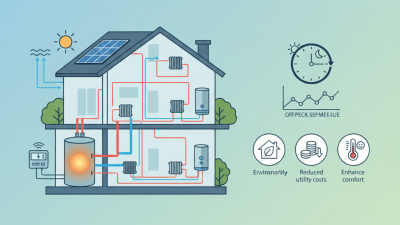
RTS systems allow homeowners to store heat during off-peak times and release it as needed. This method not only reduces energy costs but also lowers the strain on the grid. For instance, a well-designed RTS system can utilize cheaper, surplus energy during the night to heat water or materials, providing warmth when energy prices soar during the day.
However, implementing Residential Thermal Storage is not without challenges. It requires careful planning and may not suit every home. Capacity limitations and system maintenance can pose concerns. Furthermore, homeowners must evaluate their specific needs to ensure that the investment in RTS technology is worthwhile. Balancing efficiency with practicality is critical for success in adopting these innovative energy solutions.
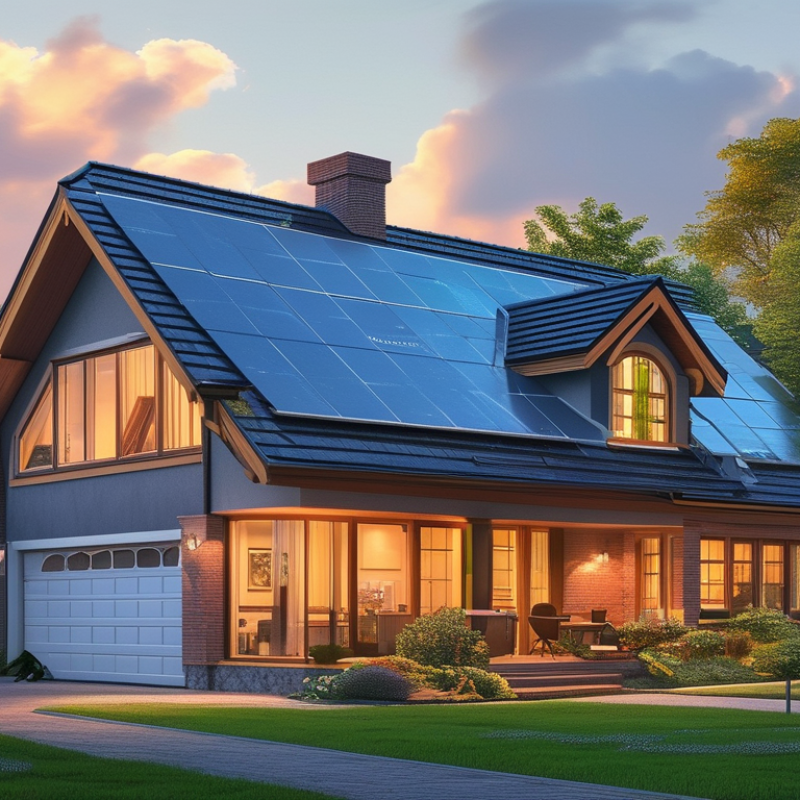
Understanding Residential Thermal Storage Systems
Residential thermal storage systems offer a unique way to enhance energy efficiency in homes. These systems store heat during off-peak hours, then release it when needed. This process reduces reliance on peak energy sources. A popular method involves water tanks or phase change materials, which can effectively capture and release thermal energy.
Understanding how these systems work helps in decision-making. For example, evaluating insulation quality is essential. Poor insulation can lead to heat loss, undermining storage effectiveness. Homeowners need to assess their specific heating needs. Not every home will benefit equally from thermal storage.
Regular maintenance and monitoring are crucial for maximizing efficiency. Over time, systems can develop issues that reduce performance. Homeowners should remain vigilant about system functionality. This includes checking for leaks or improper insulation. Engaging professionals for periodic inspections can ensure optimal operation. The journey toward energy efficiency requires thoughtful adjustments and considerations.
Residential Thermal Storage Systems Efficiency
Benefits of Thermal Storage for Energy Efficiency
Thermal storage systems are gaining attention for their role in improving energy efficiency. These systems store heat or cold energy for later use. They help balance energy demand and supply. For instance, during the day, excess energy can be stored for nighttime use. This reduces reliance on peak energy, which is often more expensive.
The benefits of thermal storage are significant. First, it helps in lowering energy costs. By shifting energy usage to off-peak times, homeowners can save money. Additionally, these systems improve grid reliability. They provide backup when renewable energy sources, like solar or wind, are insufficient.
While the advantages are clear, there are challenges to consider. The initial investment for thermal storage can be high. Some homeowners may struggle with understanding the technology. It's crucial to evaluate the long-term benefits against the upfront costs. Finding the right solution requires research and reflection. Each home's needs vary, so a one-size-fits-all approach won't work.
Implementing Thermal Storage in Your Home
Implementing thermal storage in your home can lead to significant energy savings. This system allows you to store excess heat during off-peak hours. This energy can then be used when demand is high, creating a more efficient energy cycle. Imagine filling up a large water tank with heated water during the day. You can use this hot water for heating or even for showers later.
Selecting the right thermal storage system is crucial. Consider factors like your home’s insulation, typical energy use, and local energy costs. It can be challenging to find the perfect fit. You may need to experiment with different setups to find what works best for your family. A poorly chosen system can lead to wasted energy and increased costs.
Regular maintenance of your thermal storage unit is vital. Check for issues that might reduce efficiency. Over time, sediment can build up in water storage systems. This can affect performance and energy use. Keeping an eye on the system will help you identify these problems early.
Types of Thermal Storage Technologies
Thermal storage technologies offer innovative solutions for improving energy efficiency in residential settings. These systems store energy in various forms, allowing for greater flexibility in energy use. Common types of thermal storage include sensible heat storage, latent heat storage, and thermochemical storage. Each type has unique characteristics and applications, making it important to choose the right one based on individual needs.
Sensible heat storage relies on heating or cooling materials to change their temperature without changing their state. Materials like water, concrete, or specially designed thermal masses can be used. Latent heat storage stores energy through phase changes, such as ice melting or water freezing. This type of storage is efficient and can provide cooling when needed. Thermochemical storage involves reversible chemical reactions. It can store energy for longer durations and offers high energy density, though it requires more complex systems.
Choosing the right thermal storage involves weighing costs and efficiencies. Each technology has benefits and challenges. Sensible heat may be simpler to implement but less efficient in space. Thermochemical systems may promise efficiency but come with higher upfront costs and complexity. By understanding these differences, homeowners can make informed decisions for energy-efficient living.
Best Practices for Maximizing Energy Savings
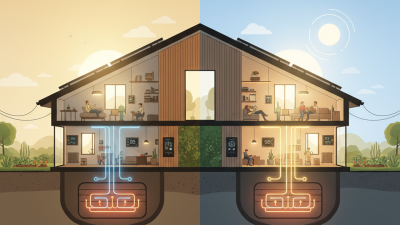
Residential thermal storage systems can significantly improve energy efficiency. By storing thermal energy during off-peak times, homeowners can reduce energy costs. During hot summer days, these systems release stored cooling energy, helping maintain comfortable indoor temperatures.
To maximize energy savings, homeowners should assess their insulation quality. Poor insulation can lead to energy loss. Sealing windows and doors can enhance the effectiveness of thermal storage systems. Choosing the right size system is also crucial. An oversized unit may cause energy waste, while an undersized one could struggle to maintain comfort.
Regular maintenance is vital. Over time, thermal storage systems can accumulate dust and grime, which affects performance. Homeowners should establish a maintenance schedule to ensure efficient operation. Reflecting on energy habits can also lead to improved efficiency. Small lifestyle changes, like adjusting thermostats or reducing peak usage, can complement the benefits of thermal storage.