How to Choose Flywheel Energy Storage for Home?
Choosing Flywheel Energy Storage For Home requires more than comparing advertised capacity. A flywheel stores electricity as rotational motion inside a carefully controlled rotor. It can respond quickly, tolerate frequent cycling, and avoid the gradual chemical aging found in many battery systems. That sounds ideal. It is not automatically ideal for every household.
Professor Keith Pullen, a recognized researcher in flywheel energy storage, has said, “Flywheels provide high power, long cycle life, and rapid response when properly engineered.” His point matters when evaluating home equipment. A compact unit may support short outages, solar smoothing, or evening load shifts. However, it may not provide overnight backup unless its energy capacity is sufficient. A refrigerator, heat pump, and induction cooker can quickly expose that limitation.
This guide examines practical selection factors. These include usable energy, continuous power, standby losses, noise, installation space, safety controls, service access, and total ownership cost. Look beyond the brochure. Ask how the system performs at 40°C, how often maintenance is required, and whether local technicians can support it. A concrete garage floor may handle the equipment, while an upstairs utility room may create vibration concerns. That detail is easy to miss.
There is also room for doubt. Flywheel technology is often presented as maintenance-light, yet bearings, vacuum systems, and power electronics still need attention. The best choice depends on your household’s load profile, not excitement around new technology. Measure first. Compare honestly. Then choose a system whose strengths match your actual daily electricity use.
What Is Flywheel Energy Storage and How Does It Work at Home?
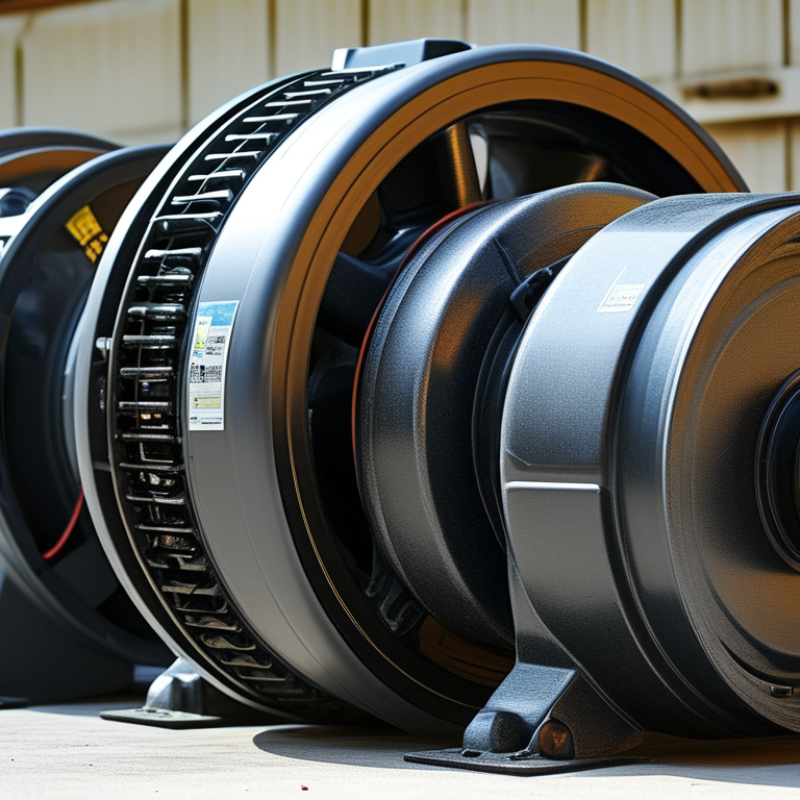
Flywheel energy storage stores electricity as rotational motion. A motor accelerates a heavy rotor inside a controlled enclosure. When your home needs power, the spinning rotor drives a generator. The generator then supplies electricity to selected appliances. It responds within seconds. That speed suits short outages and power-quality problems.
Unlike batteries, a flywheel does not depend on chemical reactions. It can handle many charge and discharge cycles with limited performance loss. However, stored energy gradually decreases when the rotor slows. This standby loss matters in homes needing overnight backup. A practical home assessment should compare power demand, backup duration, noise, floor space, and ventilation. Refrigerators, pumps, and medical equipment may require different starting power.
Choose a system with verified safety testing, clear maintenance instructions, and suitable electrical protection. Professional installation is essential because the rotor stores substantial mechanical energy. Place the unit on a stable surface, away from living areas and moisture. Ask for efficiency data at your expected load, not only the best laboratory result. Small mistakes matter. An oversized unit may waste space and money, while an undersized unit may stop during motor startup. My rough estimate would never replace a measured load profile. That part deserves another check.
How to Choose Flywheel Energy Storage for Home?
What Is Flywheel Energy Storage and How Does It Work at Home?
This representative 24-hour profile shows how a home flywheel can support short peak-demand periods.
Flywheel systems are best suited to applications requiring rapid response, frequent cycling, and high power output.
When choosing a system, compare usable energy in kWh, rated power in kW, round-trip efficiency, standby losses, response time, cycle life, and safety enclosure requirements.
How to Compare Flywheel Capacity, Power, and Backup Duration
How to Choose Flywheel Energy Storage for Home?
Compare three numbers before comparing equipment: capacity, power, and backup duration. Capacity measures stored energy in kilowatt-hours (kWh). Power measures delivery speed in kilowatts (kW). A flywheel rated at 10 kW may start a pump effectively, but it does not necessarily run that pump for one hour. The U.S. Department of Energy’s Global Energy Storage Database shows that flywheel projects commonly favor rapid response and short-duration service. This makes them useful for brief interruptions, voltage support, and high-power loads.
Estimate your real demand, not your appliance label total. A refrigerator, router, lights, and circulation pump may require 2 kW together. For two hours, the load needs 4 kWh of usable energy. Add conversion losses and a reserve, then consider about 5 kWh of nominal capacity. Sandia National Laboratories’ 2022 Energy Storage Systems Cost and Performance Assessment uses roughly 85% round-trip efficiency for flywheel storage, although actual results depend on controls, speed, and standby losses. The arithmetic is simple.
Duration exposes weak assumptions. A flywheel can deliver strong power quickly, yet its stored energy may decline during long standby periods. Check rated duration at your expected load, not at the maximum power rating. Ask for response time, usable kWh, continuous kW, restart behavior, and cycle-life data. A practical test is valuable: measure the home’s peak load with a power meter, then simulate a two-hour outage. I would not trust a brochure alone.
How to Choose Flywheel Energy Storage for Home? - How to Compare Flywheel Capacity, Power, and Backup Duration
| Home Flywheel Class |
Rated Energy Capacity |
Typical Continuous Power |
Peak Power
(up to 10 seconds) |
Usable Energy
(80% assumption) |
Runtime at 1 kW |
Runtime at 3 kW |
Runtime at 5 kW |
Best-Fit Household Loads |
| Compact Power-Quality Unit |
1–3 kWh |
1–3 kW |
3–6 kW |
0.8–2.4 kWh |
48–144 min |
16–48 min |
10–29 min |
Networking equipment, computers, lighting, control electronics |
| Small Home Backup |
5 kWh |
2–5 kW |
5–10 kW |
4 kWh |
4 h |
80 min |
48 min |
Refrigerator, communications, lighting, security systems and selected outlets |
| Medium Home Backup |
10 kWh |
5–10 kW |
10–20 kW |
8 kWh |
8 h |
2 h 40 min |
1 h 36 min |
Essential household circuits, refrigerator, lighting, pumps and small appliances |
| Large Home Backup |
20 kWh |
8–15 kW |
15–30 kW |
16 kWh |
16 h |
5 h 20 min |
3 h 12 min |
Most essential circuits, multiple refrigerators, pumps and moderate motor loads |
| High-Power Short-Duration System |
5–10 kWh |
10–20 kW |
20–40 kW |
4–8 kWh |
4–8 h |
80–160 min |
48–96 min |
High motor-starting currents, short interruptions and rapid load changes |
Calculation note: Runtime is estimated as usable energy divided by household load. For example, a 10 kWh system with 80% usable energy provides approximately 8 kWh; at a constant 3 kW load, the theoretical runtime is about 2 hours and 40 minutes. Actual runtime can be shorter because of inverter losses, standby consumption, flywheel self-discharge, temperature and load variation.
Selection guidance: Choose capacity in kWh according to how long essential loads must operate, and choose continuous power in kW according to the highest simultaneous load. Check peak power separately for refrigerators, pumps, compressors and other motor-driven equipment. Flywheel storage is generally most suitable for fast response, power-quality protection and short-duration backup; extended outages may require additional generation or another long-duration energy source.
What Safety, Space, Noise, and Maintenance Factors Should You Check?
How to Choose Flywheel Energy Storage for Home?
Safety starts with containment, not marketing claims. The rotor should sit inside a sealed, impact-resistant enclosure, preferably with vacuum protection and overspeed controls.
Check whether the unit has independent shutdown sensors and certification under relevant electrical and fire-safety standards. The DOE/EPRI Electricity Storage Handbook reports typical flywheel efficiencies of about 85–95%. However, efficiency can fall when standby losses remain high. Ask for measured results at your expected load.
Space and noise deserve practical testing. A compact cabinet still needs clearance for ventilation, inspection, and emergency access. Confirm floor loading, especially on upper levels or wooden platforms.
Sound levels may change during acceleration, braking, or cooling. A stated decibel figure is useful, but only if measured at a clear distance. Stand beside a running demonstration unit if possible. Your hallway may sound different from a laboratory.
Tips:
Request a room-layout drawing before purchase. Check noise at one and three meters. Ask about rotor replacement, bearing inspection, firmware updates, and service travel time. Sandia National Laboratories notes that flywheels can support very high cycling, often exceeding 100,000 cycles in suitable designs. That does not mean zero maintenance. Dust, heat, vibration, and poor installation still shorten service life. I would also ask for five-year maintenance costs in writing. Many buyers forget this part.
How to Select, Install, and Operate a Home Flywheel Storage System
Choosing a home flywheel starts with load measurement, not advertised storage capacity. Record evening peaks: refrigerator startup, pump, induction cooker, and backup circuits. A 5 kW inverter may run a pump, yet its usable duration depends on stored kWh. Compare continuous power, short surge power, round-trip efficiency, standby losses, and discharge limits. Ask how the rotor is contained if a bearing or control fault occurs. A sealed enclosure, certified controls, overspeed protection, and clear maintenance records matter more than a sleek cabinet.
Installation needs structural planning. A flywheel cabinet can impose concentrated floor loading and vibration, especially on timber floors. Place it on a level, dry surface with service clearance and restricted access. Keep it away from bedrooms when possible; low hum becomes noticeable at night. Have a qualified electrician verify earthing, disconnects, cable sizing, and compatibility with the home’s distribution board. Ask for commissioning tests under load, emergency shutdown instructions, and documented rotor speed limits. Do not improvise ventilation or bypass alarms.
During operation, reserve capacity for essential circuits instead of chasing total-house backup. Monitor unusual vibration, heat, noise, error codes, and declining hold time. Stop the system and request inspection if vibration changes suddenly. Keep firmware and inspection logs current. My practical hesitation is simple: published efficiency may reflect laboratory conditions, not a dusty utility room with frequent cycling. Ask for measured performance, warranty exclusions, and replacement intervals for bearings, seals, and control components. That paperwork can reveal whether the system suits your actual outage pattern.