Choosing the best solar power storage system for a home in China depends on more than a battery’s headline capacity. A family using air conditioning through a humid summer evening needs a different setup from a household mainly seeking backup for lights and a refrigerator. Solar Power Storage Home systems should be compared by usable battery capacity, inverter compatibility, round-trip efficiency, warranty terms, and the quality of local service. Small details matter. Can the system run a water pump during an outage? Will the inverter handle the refrigerator’s startup surge? These practical questions can matter more than a polished product brochure.
Energy-efficiency expert Amory Lovins is often quoted as saying, “The cheapest energy is the energy you don’t use.” That idea is useful here: reducing daytime consumption may change the battery size a home actually needs. Chinese manufacturers offer many configurations, but specifications and after-sales support can vary. Check the complete system, not just the battery label. I would not call one model “best” without knowing the home’s roof, usage pattern, budget, and backup needs. Even a neat comparison table can miss installation quality. That is worth remembering. This guide examines the trade-offs behind choosing a suitable home storage system, including capacity, safety features, integration, and long-term value. The aim is not to promise a perfect fit, but to help readers ask better questions before buying.
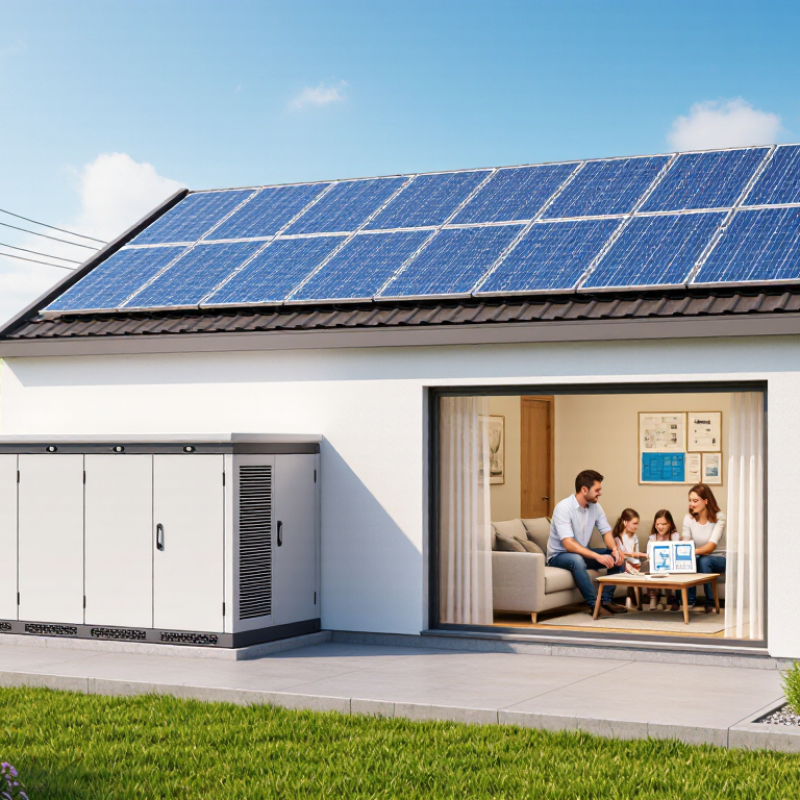
China’s home solar storage systems pair rooftop panels with batteries, an inverter, and energy controls. The battery stores midday surplus for evening use or short outages. Fit depends on household demand, roof output, and local grid conditions. A family using air conditioning at night needs a different setup from one using mostly daytime power.
China added about 216.9 GW of solar capacity in 2023, according to IEA PVPS’s Trends in Photovoltaic Applications 2024. That figure covers all solar installations, not just homes, but shows how quickly the generation base is growing. Storage can help households use more of their own solar electricity. It does not guarantee independence from the grid. Not quite.
Battery specifications need careful reading. NREL’s 2024 Annual Technology Baseline uses roughly 85% round-trip efficiency for utility-scale lithium-ion storage; household results vary with equipment, temperature, and operating patterns. Check usable capacity, backup power limits, and warranty terms—not only the headline capacity. A battery in a hot, unventilated utility room may perform differently from one installed in a shaded, well-managed space. I would also compare a full year of electricity bills before sizing a system; one unusually sunny month can be misleading.
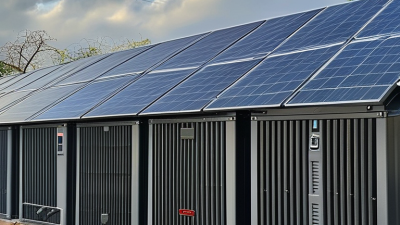
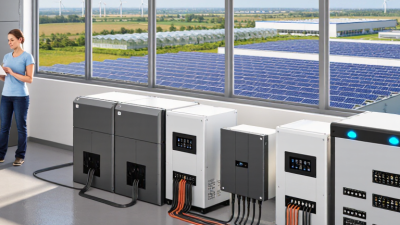
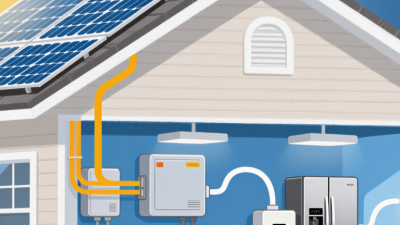
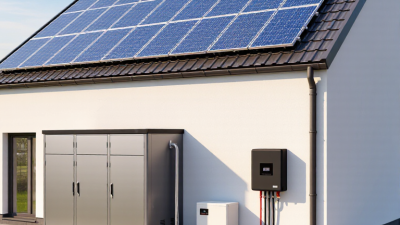
A residential solar storage system connects rooftop panels, an inverter, a battery, and a control unit. Panels produce direct-current electricity when sunlight reaches their cells. The inverter converts that power into alternating current for household appliances. A hybrid inverter can also manage charging and discharging. The battery stores surplus energy in chemical form. It is not magic.
During daylight, solar power usually serves active loads first, such as a refrigerator or washing machine. Extra electricity can charge the battery. After sunset, the system can draw stored energy to reduce reliance on the grid. A monitoring unit tracks production, battery level, and household use. On a cloudy afternoon, output may fall, so the battery may not reach its usual charge.
Backup power depends on system design. A battery alone does not guarantee that lights will stay on during a grid outage; the inverter must support backup operation and safely isolate the home. Capacity also matters: a small battery may run a few essential circuits, but not every appliance for long. The neat diagrams hide a real trade-off. Battery size, inverter limits, roof shade, and daily habits all affect performance. A qualified installer can assess these details and configure protective equipment for the home.
There is no single best configuration for every home. The appropriate system depends on electricity use, roof conditions, backup requirements, local grid rules, and budget. The ranges below are typical examples, not a site-specific design.
| Component | Typical residential range or specification | What it does | Key selection considerations |
|---|---|---|---|
| Solar photovoltaic modules | A home array is often around 3–10 kWp; individual modules commonly produce roughly 400–600 W under standard test conditions. | Convert sunlight into direct-current (DC) electricity. | Check usable roof area, shading, orientation, structural condition, and module electrical compatibility. |
| Mounting system and roof fixings | Designed for the roof type, local wind and snow loads, and the module layout. | Secure the modules and transfer loads safely to the building structure. | Use corrosion-resistant materials and ensure waterproofing and structural suitability. |
| Hybrid inverter | Common residential output is approximately 3–10 kW; single-phase 220 V, 50 Hz or three-phase service may apply, depending on the home. | Converts PV and battery DC power to household AC, manages energy flows, and may provide backup output. | Match AC output, PV input limits, battery compatibility, grid requirements, and backup capability to the installation. |
| Battery storage | A common home storage range is about 5–20 kWh of nominal capacity; lithium iron phosphate (LFP) is one widely used chemistry. | Stores surplus solar electricity for use later, including evening use or supported backup loads. | Compare usable capacity, continuous and peak power, operating temperature, warranty, and installation location. |
| Battery management system (BMS) | Integrated with or connected to the battery; specifications depend on the battery design. | Monitors cell conditions and helps manage charging, discharging, temperature, and protection limits. | Confirm that the BMS communicates correctly with the inverter and that protective functions are specified. |
| Metering and energy monitoring | A compatible meter or current sensor is installed at the home’s grid connection; monitoring is commonly available through a local display or app. | Measures household import and export so the system can prioritize self-consumption or follow configured limits. | Check meter placement, communications, measurement direction, and any applicable export-control requirements. |
| Protection and isolation equipment | May include DC and AC isolators, overcurrent protection, surge protection, earthing, and residual-current protection as required by the design and local rules. | Provides isolation and protection against electrical faults and surges. | Equipment ratings and installation must be selected by a qualified installer in accordance with applicable standards and regulations. |
| Home loads and backup circuits | Essential circuits may include lighting, communications, refrigeration, or selected outlets; backup capacity depends on inverter power and battery limits. | Use stored or solar energy for household appliances; designated backup circuits can remain powered during some outages. | List essential loads and starting currents. Not every grid-connected system supplies power during an outage. |
| Typical operating sequence | Sunlight generates DC power → the inverter supplies household AC loads → surplus energy charges the battery → remaining surplus may be exported if permitted. When solar production is low, the home can use the battery and then import electricity from the grid. During a grid outage, backup is available only if the system is designed and configured for islanded operation. | ||
System sizing should be based on actual consumption patterns and a professional site assessment. Grid connection, export limits, equipment certification, and installation requirements can vary by location.
The best solar storage system for a home in China depends on daily energy use, roof generation, and outage needs. Compare usable capacity, not just the battery’s advertised size. A 10 kWh unit may provide less than 10 kWh to household appliances. Check the continuous output rating too: a refrigerator, water pump, and air conditioner can demand power at the same time. Look for clear efficiency figures and warranty terms, including how capacity may decline over time.
Safety and fit matter. Review the battery chemistry, protective controls, and the installer’s ventilation and placement guidance. Check whether the inverter works with your existing solar panels and whether the system can supply backup power during a grid interruption. Local climate matters as well; a garage that gets very hot may affect battery performance. Ask about monitoring, maintenance, and who handles service. Paper specifications can look reassuring. Real support is less visible.
Tips: List the appliances you want to run, then estimate their wattage and hours of use. Compare systems using the same load assumptions. Ask for a written estimate of backup runtime, and check which circuits remain powered. One thing is easy to overlook: your actual evening use may differ from a neat calculator estimate. Recheck it against recent electricity bills.
A suitable home battery starts with your household’s actual energy use, not a headline capacity figure. Review several months of electricity bills and note when demand peaks. A refrigerator, router, lights, and medical equipment may need backup during an outage, while an electric oven or heating system can quickly use much more power. Small details matter. Check both usable battery capacity, measured in kilowatt-hours, and inverter output, measured in kilowatts. One describes how long stored energy may last; the other limits which appliances can run together.
Think about how much solar energy your panels can produce in different seasons. Cloudy winter days may leave less energy for charging, even if summer performance looks excellent. Decide how many hours of backup you genuinely need, and whether the battery should cover essential circuits or most of the home. Real life changes. A growing family, new appliances, or shifting work hours can make an earlier estimate less useful. Leave room for uncertainty rather than sizing from one unusually low bill.
Have a qualified installer assess wiring, ventilation, location, and system compatibility. Ask for clear estimates of expected backup time and usable capacity, including assumptions about weather and household load. It may still be an imperfect forecast. That is worth discussing before purchase.
A home solar storage system should match your household’s evening demand, not just the number of panels on the roof. Before installation, review recent electricity bills and identify essential loads, such as the refrigerator, lights, and internet router. Ask the installer to explain the system’s usable capacity and expected backup time in plain language. Small details matter. The battery needs a stable, dry location with the clearances and ventilation specified in its installation manual.
Have a qualified electrician check the wiring, protective devices, and connection to your home’s electrical panel. Keep the system away from heat sources and areas where water could collect. Make sure you know how to shut it down safely and whom to contact if an alarm appears. Do not open the battery enclosure or attempt repairs yourself. It can be tempting to squeeze equipment into a convenient corner, but access for inspection matters too.
Ongoing care is usually simple, but it should not be ignored. Check the display or monitoring app for unusual warnings, and look for visible damage, dust buildup, or blocked vents. Follow the maker’s maintenance schedule; cleaning and inspection needs vary by system. One easy mistake is assuming a quiet battery needs no attention. Keep a brief log of alerts and service visits. If performance changes suddenly, ask a qualified technician to investigate rather than guessing.