2026 Top Solar Panel to Battery Storage Systems

Solar Panel To Battery Storage is becoming a practical energy strategy for homes, businesses, and small industries entering 2026. Solar panels produce power during daylight, while batteries preserve surplus electricity for evening demand, outages, or expensive tariff periods. The system is not simply a panel plus a battery. It includes an inverter, energy-management software, protection equipment, and carefully designed backup circuits.

Industry data shows why this market is expanding. The International Energy Agency reported in Renewables 2024 that solar photovoltaics could provide nearly 80% of global renewable capacity growth through 2030. IRENA recorded more than 1,400 gigawatts of global solar capacity by the end of 2023. Meanwhile, the IEA’s Batteries and Secure Energy Transitions report identified battery storage as essential for integrating variable renewable generation. Growth is rapid.

Fatih Birol, Executive Director of the IEA, said, “The world is now entering a new industrial age—the age of clean energy technology manufacturing.” His observation captures the wider shift behind modern storage systems. Yet rankings require caution. A high-capacity battery may perform poorly in a shaded home with limited evening demand. A cheaper system can become expensive after replacements, software fees, or installation changes. Real experience often exposes these gaps.

This guide compares leading 2026 systems through usable capacity, round-trip efficiency, warranty terms, safety design, expandability, and installer support. It also considers cold-weather performance and real household load patterns. No single system fits every roof, tariff, or climate. That is the uncomfortable part. Data improves decisions, but site-specific engineering still matters.
2026 Top Solar Panel to Battery Storage Systems

Solar Panel to Battery Storage Systems: Definition and Core Components

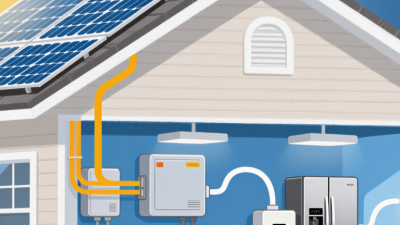
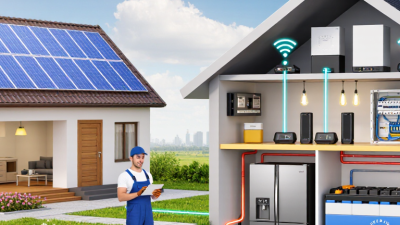
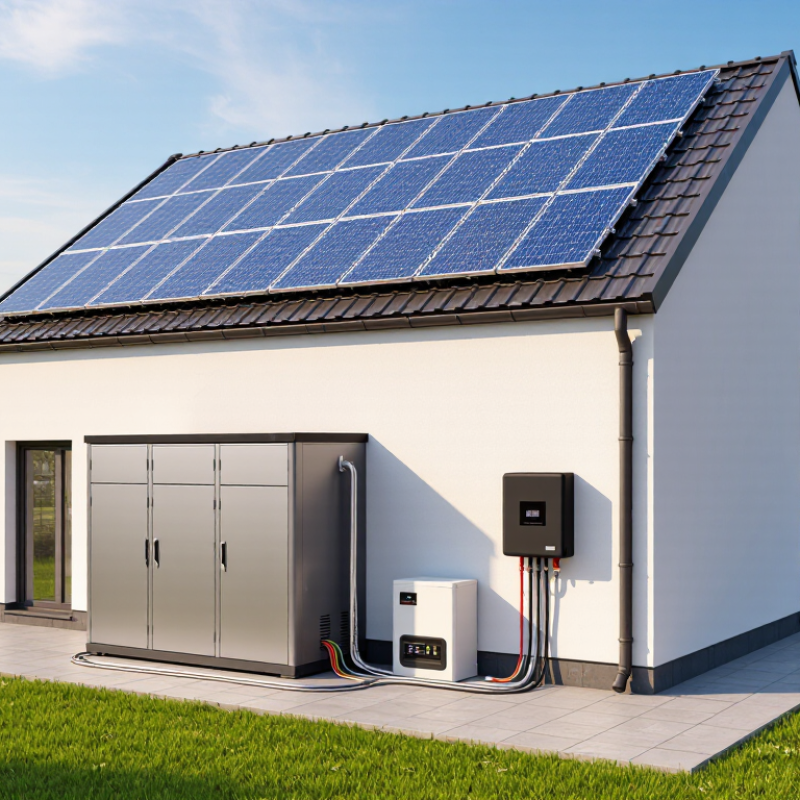
Solar-panel-to-battery storage systems capture electricity from photovoltaic modules and store it for later use. They include solar modules, wiring, an inverter, battery cells, a battery management system, and protective switchgear. An energy management system coordinates charging, household loads, backup power, and grid exchange.

The inverter converts direct current into usable alternating current. Some designs place the battery on the solar side, while others connect it through a separate inverter. The choice affects conversion losses, installation complexity, and future expansion.

Battery capacity measures stored energy in kilowatt-hours. Power rating shows how quickly that energy can move. Depth of discharge, cycle life, temperature control, and degradation also matter.

NREL’s 2024 Annual Technology Baseline reports typical battery round-trip efficiency near 85–95%, depending on system design and operating conditions. Real homes may achieve less. Cable losses, heat, standby consumption, and poor settings can reduce output. The International Energy Agency’s Batteries and Secure Energy Transitions report estimates that global energy storage must increase sixfold by 2030, reaching about 1,500 GW, with batteries supplying roughly 1,200 GW. That target reveals the system’s wider role. Still, a larger battery is not automatically better. Load patterns, local solar production, safety clearances, and replacement planning should guide sizing. Manufacturer claims also need independent verification.

How Solar Energy Is Converted, Stored, and Distributed

Solar panels produce direct-current electricity when photons release electrons in semiconductor cells. An inverter then converts DC into alternating current for household loads or the grid. Extra power passes through a charge controller and enters a battery. This sequence sounds simple, but heat, wiring resistance, and conversion losses reduce usable energy. The International Renewable Energy Agency reported 346 gigawatts of new solar capacity in 2023, raising global solar capacity to about 1,419 gigawatts. Scale is accelerating, yet efficiency still depends on installation quality.

A storage system releases electricity when clouds cover the array or evening demand rises. Its energy-management system measures battery temperature, state of charge, household consumption, and grid conditions. It can prioritize self-use, backup power, or scheduled export. The International Energy Agency reported nearly 42 gigawatts of new battery storage capacity in the power sector during 2023. Fast growth does not remove practical weaknesses. Batteries degrade, winter production falls, and a poorly sized system may waste midday generation. Field commissioning should verify voltage, protection settings, thermal clearance, and actual round-trip performance. The numbers may look perfect on paper. Real roofs rarely are. (IRENA, Renewable Capacity Statistics 2024; IEA, Batteries and Secure Energy Transitions 2024)

2026 Top Solar Panel to Battery Storage Systems - How Solar Energy Is Converted, Stored, and Distributed
System Stage Primary Equipment Energy Conversion or Flow Typical Efficiency or Performance Typical Operating Range Key Function in the System
1. Solar Collection Photovoltaic solar modules Sunlight is converted directly into direct-current electricity through semiconductor photovoltaic cells. Approximately 20%–24% module efficiency for current mainstream crystalline-silicon modules Individual module output commonly ranges from approximately 350 W to 600 W under standard test conditions. Generates electricity during daylight hours; actual output varies with solar irradiance, temperature, shading, orientation, and soiling.
2. DC Collection Module wiring, connectors, combiner equipment, and protection devices Electricity from multiple modules is combined into one or more higher-capacity direct-current circuits. Well-designed wiring and protection losses are commonly kept near 1%–3% of array output. Residential arrays often operate at several hundred volts DC; larger systems may use higher-voltage DC strings within applicable electrical limits. Combines solar generation safely while providing overcurrent protection, isolation, monitoring, and fault management.
3. Power Conversion Solar inverter or hybrid inverter Direct-current electricity is converted into grid-compatible alternating-current electricity. Typical peak conversion efficiency is approximately 95%–99%; real-world seasonal efficiency is lower. Residential systems commonly use single-phase or three-phase AC output; commercial systems generally use three-phase power. Synchronizes voltage, frequency, and phase with the electrical network and may control both solar production and battery charging.
4. Solar Optimization Maximum power point tracking controls The operating voltage and current of each solar string or module group are adjusted to obtain the highest available power. Can improve energy harvest when modules have different orientations, shading conditions, or operating temperatures. Optimization is most valuable in installations with partial shading, multiple roof slopes, or uneven module performance. Reduces mismatch losses and continuously adapts the array to changing sunlight conditions.
5. Battery Charging Battery charge controller and battery management system Controlled electrical power is delivered to battery cells while voltage, current, temperature, and cell balance are monitored. Charging efficiency is commonly approximately 90%–98%, depending on battery chemistry, temperature, and charge rate. Common lithium iron phosphate battery packs use a nominal cell voltage of approximately 3.2 V and may be configured into low- or high-voltage packs. Prevents overcharging, excessive current, overheating, and unsafe operating conditions while extending battery service life.
6. Energy Storage Stationary rechargeable battery pack Electrical energy is stored as chemical energy and later released as direct-current electricity. Usable depth of discharge is often designed around 80%–95%; battery round-trip efficiency is commonly approximately 85%–95%. Residential storage commonly ranges from approximately 5 kWh to 30 kWh; commercial and utility systems range from tens of kWh to multiple MWh. Stores surplus daytime generation for evening use, backup power, peak-demand reduction, or time-of-use energy shifting.
7. Battery Inversion Bidirectional inverter or power conversion system Converts battery DC power into AC power during discharge and AC power back into DC power during charging. Typical bidirectional conversion efficiency is approximately 94%–98% per conversion direction. Power ratings commonly range from approximately 3 kW–15 kW for residential systems and from tens of kW to several MW for larger systems. Controls charging and discharging power and allows the battery to interact with household, commercial, or utility electrical networks.
8. Energy Management Energy management system and monitoring platform Measures solar generation, battery state of charge, electricity demand, grid status, and energy prices or schedules. Control quality affects economic performance, battery cycling, backup readiness, and renewable-energy self-consumption. Battery state of charge is typically managed within a configured operating window, such as 10%–95%, to preserve reserve capacity and reduce stress. Determines when to use solar energy directly, charge the battery, discharge the battery, export power, or import electricity.
9. Direct Load Supply Household, commercial, or industrial electrical loads Solar or battery-generated AC electricity is delivered directly to lighting, appliances, motors, electronics, heating, cooling, and other loads. Avoiding battery cycling generally provides higher effective energy utilization than storing and later retrieving the same solar energy. Load profiles vary by site; residential demand often peaks in the morning and evening, while commercial demand commonly peaks during business hours. Uses locally generated electricity first, reducing electricity purchases and transmission or distribution dependence.
10. Backup Operation Automatic transfer equipment and backed-up load panel When the grid fails, the system isolates selected circuits and supplies them from the battery and available solar generation. Transfer time depends on system design; backup capacity depends on inverter power, battery energy, and connected load. Backup duration may range from several hours to multiple days, depending on battery size, solar availability, weather, and load reduction. Maintains power for essential loads such as refrigeration, communications, lighting, pumps, medical equipment, or network equipment.
11. Grid Interaction Utility meter, protection equipment, and interconnection controls Excess solar or battery energy may be exported to the grid, while shortfalls may be supplied by the grid. Export and import performance depends on local interconnection rules, meter configuration, and approved system capacity. Grid-connected systems must maintain permitted voltage, frequency, anti-islanding, and power-quality requirements. Balances local generation and demand while enabling export, import, demand management, and selected grid-support services.
12. Complete Energy Path Solar array, inverter, battery, controls, loads, and grid connection Sunlight → DC electricity → AC electricity → battery charging → DC storage → AC discharge → electrical loads or grid. A practical solar-to-battery-to-load round-trip result is often approximately 70%–90%, depending on conversion stages, standby consumption, temperature, and operating conditions. Performance changes with season, weather, battery state of charge, load size, inverter loading, and system design. Provides renewable electricity, energy shifting, reduced grid purchases, peak-demand management, and optional backup power.
General figures are representative engineering ranges rather than guarantees. Actual performance depends on climate, system size, installation quality, battery chemistry, operating temperature, energy-management settings, local regulations, and user load patterns.

Key Criteria for Comparing 2026 Solar-to-Battery Systems

2026 Top Solar Panel to Battery Storage Systems

Key Criteria for Comparing 2026 Solar-to-Battery Systems

Comparing solar-to-battery systems requires more than reading the advertised storage capacity. Usable capacity shows how much energy remains available after reserve limits and conversion losses. Round-trip efficiency also matters, especially for homes with evening-heavy electricity use. Numbers need context. A system rated at 10 kWh may deliver less during daily operation.

Check continuous power output, surge capacity, and backup performance during cloudy periods. A battery with high capacity may still struggle with pumps, refrigerators, or heat-pump startups. Look for clear information about thermal management, operating temperatures, and emergency shutdown controls. Safety comes first. Installation quality can influence performance as much as the hardware itself.

Warranty terms deserve careful attention. Compare retained capacity, cycle limits, service conditions, and expected degradation rather than focusing only on years covered. Monitoring software should show solar production, battery state, household demand, and fault alerts without hiding important data. Compatibility with the existing inverter, electrical panel, and backup circuits can prevent expensive redesigns. I would also examine maintenance access and end-of-life recycling arrangements. A lower upfront price may become less attractive after installation changes, software fees, or replacement parts. Some projections still look too optimistic, so independent performance testing and local installer experience should guide the final decision.

Installation Steps, Compatibility Checks, and Safety Requirements

2026 Top Solar Panel to Battery Storage Systems

A safe solar-to-battery installation begins with a site survey, not a sales estimate. Measure the roof condition, cable routes, ventilation, and wall strength. Check whether the electrical panel can handle the added current. A licensed electrician should confirm permits and local code requirements before work begins.

Compatibility requires more than matching battery capacity. Compare inverter voltage ranges, continuous output, surge performance, charging limits, and communication protocols. Confirm the battery chemistry, temperature range, enclosure rating, and approved installation position. Backup circuits should be separated from heavy loads, such as ovens, pumps, and electric vehicle chargers. A system may appear compatible on paper but fail during a cold morning startup.

Installation should include secure mounting, correctly sized conductors, visible disconnects, grounding, and protected cable entries. Keep batteries away from exits, heat sources, flooding risks, and poorly ventilated rooms. Never guess at torque settings or substitute fuses. Small errors matter.

Leave working clearance.

A practical inspection should test shutdown functions, emergency access, monitoring alarms, and battery isolation. Record serial details, settings, and test results for future technicians. Plans can miss an awkward beam or an undersized conduit; that is why a physical review matters. I would rather delay commissioning than hide a doubtful connection behind a finished wall. After installation, inspect the system again after heavy rain, extreme heat, or unusual alarm activity.

Performance Monitoring, Maintenance, and Future Upgrade Options

A modern solar panel and battery storage system needs more than a high efficiency rating. Its daily performance should be monitored through battery state of charge, solar production, household demand, and backup reserve. A simple dashboard can reveal unusual patterns, such as a battery reaching full charge too early or losing power overnight. These signs deserve attention.

Performance data should be reviewed weekly, not only when an outage occurs. Record cloudy-day output, inverter temperatures, charging cycles, and unexpected shutdowns. Small changes matter. A five percent production drop may come from dust, shading, loose connections, or sensor errors. Cleaning panels twice a year can help, but cleaning schedules depend on local weather and roof conditions. Never inspect live equipment without proper training.

Maintenance also includes checking ventilation, cable protection, mounting points, and battery warning messages. Qualified technicians should handle electrical testing and firmware updates. Records are often incomplete, unfortunately. That makes future diagnosis slower and more expensive. Keep dated photos, service notes, and energy reports in one secure location. Future upgrades should consider changing household loads, electric vehicle charging, and longer backup needs. Leave usable space in the electrical design. Battery capacity may increase later, but compatibility, room temperature, wiring limits, and local requirements must be reviewed first. A larger battery is not always a better investment.