Best Residential Power Storage Systems in 2026
In 2026, the best Residential Power Storage Systems are not simply the largest batteries on a showroom wall. They are systems sized around a household’s real needs: evening cooking, overnight refrigeration, medical equipment, or a quiet home office during an outage. A battery’s capacity, measured in kilowatt-hours, tells only part of the story. Its power rating, inverter compatibility, usable capacity, warranty, and installation support matter too. Small details count. A unit that looks impressive on paper may not run every essential appliance at once.
Energy efficiency also deserves a place in the comparison. Amory Lovins, co-founder of Rocky Mountain Institute, is often associated with the observation, “The cheapest energy is the energy you don’t use.” That principle is useful here: reducing avoidable demand can change the battery size a home actually needs. Still, household patterns are messy. A cloudy week, an aging appliance, or a change in family routine can upset a tidy estimate.
This guide examines leading systems through practical questions, not showroom claims. How much usable energy do they provide? Can they expand later? Do they work with existing solar equipment, and what happens when the grid goes down? We also consider installation, monitoring, warranty terms, and total ownership costs. No single system fits every home. The right choice depends on the loads a family needs to protect, its budget, and how it expects to use stored power.
Define System Types and Uses: Solar-Plus-Storage vs. Standalone Batteries
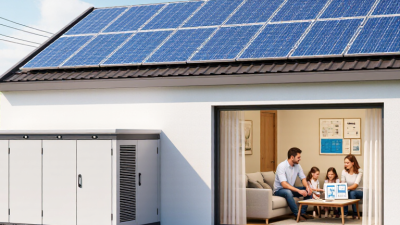
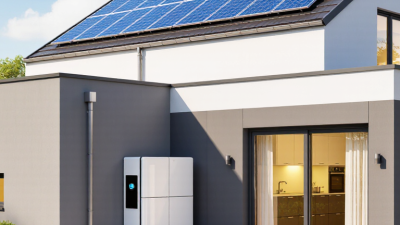
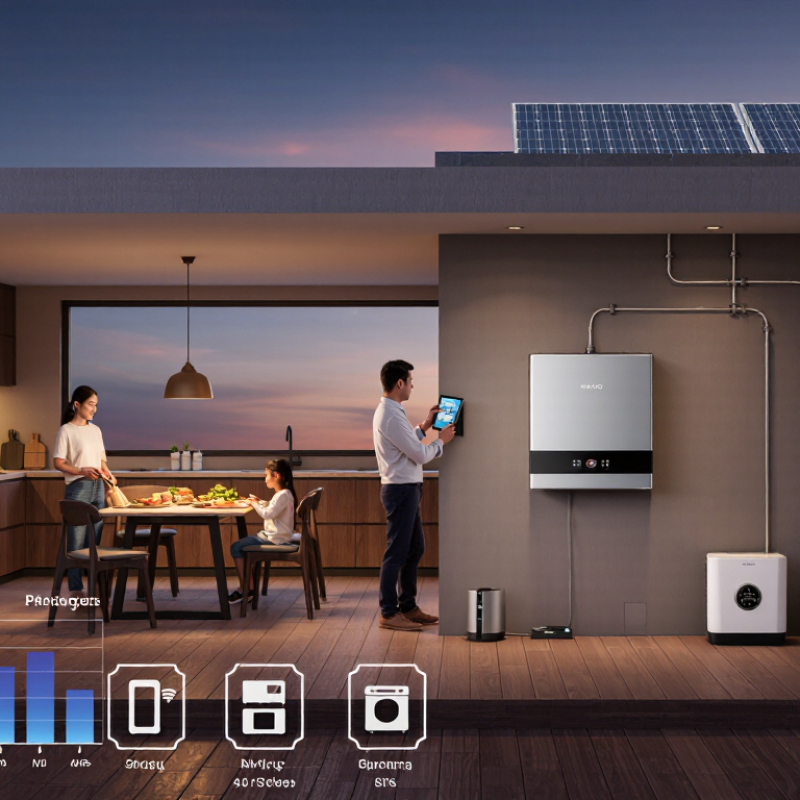
Solar-plus-storage pairs rooftop panels with a battery, storing midday electricity for evening cooking, lighting, and cooling. It can also keep selected circuits running during an outage, if the system includes suitable backup controls. A standalone battery has no solar source by itself. It may charge from the grid, shift usage away from expensive hours, or provide backup power.
The distinction matters in real homes. A family using most electricity after sunset may value stored solar energy; a home without suitable roof space may still benefit from a grid-charged battery. The IEA’s Batteries and Secure Energy Transitions report says power-sector battery additions reached 42 GW in 2023, up 130% year over year. That signals rapid market growth, not a guarantee of household savings.
Compare usable capacity, continuous output, and backup coverage before choosing. A battery that stores enough energy may still lack the output to start a well pump or run several appliances together. Solar-plus-storage can recharge during sunny outages, while a standalone battery usually cannot recharge if the grid is down. The distinction is useful, but not perfectly neat: some homes combine grid charging, solar, and backup use. Check local tariffs and actual load data; assumptions can miss the mark.
Size Backup Capacity Against EIA’s 29.6 kWh/Day U.S. Home Average
EIA’s 29.6 kWh per day gives homeowners a useful national reference point, not a battery-size prescription. At that average, a home uses about 1.23 kW across 24 hours, but real demand rises when cooking, heating, cooling, or laundry overlaps. A useful baseline. Review a year of utility bills, then identify which circuits must stay on during an outage. A refrigerator, a few lights, internet equipment, and a furnace fan may need far less energy than an entire home.
Compare usable battery capacity with the loads you plan to protect, and check the system’s continuous power rating too. Capacity is measured in kilowatt-hours; power is measured in kilowatts. Both matter. A 10 kWh usable battery could cover roughly eight hours at the national-average consumption rate, before conversion losses or reserve settings. Not a promise. Actual runtime may be shorter, especially during extreme weather. Solar panels can help recharge storage, but cloudy conditions and nighttime demand affect how much energy is available. I would be cautious about sizing from one average alone; household routines vary, and estimates can miss a stubbornly high-load appliance. Keep some reserve for essential circuits, and revisit the calculation if your heating or cooling equipment changes.
Best Residential Power Storage Systems in 2026
Backup duration at the EIA-reported U.S. household average of 29.6 kWh per day
Estimated duration is calculated by dividing storage capacity by average daily household electricity use and assumes consumption is evenly distributed. Actual backup time varies with household loads, usable battery capacity, and system losses. The 29.6 kWh/day benchmark is based on EIA-reported average U.S. household electricity use.
Compare 2026 Systems by Usable kWh, Continuous kW, and Warranty
A useful 2026 comparison starts with usable capacity, not the largest number on a product label. Usable kWh estimates the energy available to run appliances; nominal capacity may include energy the system reserves. A home using 10 kWh overnight may need less storage than a home with electric heating or frequent outages. Check the usable figure in the system’s documentation.
Continuous power, measured in kW, shows how much load a system can support at once. A battery with ample kWh may still struggle to run an oven, pump, and air conditioner together. Compare continuous output with the combined demand of appliances you expect to use simultaneously. Also check surge ratings for motors, since their startup demand can briefly exceed normal running power. Small details matter.
Warranty terms deserve equal attention. Compare coverage years, minimum retained capacity, and any energy-throughput limits. A long warranty is not automatically a better one if its conditions are restrictive. Ask how temperature, installation, and usage affect coverage, and get those terms in writing. These labels can be easy to misread. A side-by-side table helps, though it cannot predict every household’s needs; reviewing real usage data before choosing is often the less glamorous, more reliable step.
Verify Safety and Grid Compatibility: UL 9540 and IEEE 1547 Standards
A residential battery is not safe or grid-ready merely because its cells passed a test.
UL 9540 evaluates the complete energy storage system, including how battery, inverter, and controls work together. Check the exact system model and approved equipment combination on its certification documents.
UL 9540A is different: it is a test method for assessing thermal runaway fire propagation, not a product certification. Details matter. A certificate for one configuration may not cover a substituted inverter or added battery module.
Grid compatibility deserves equal scrutiny. IEEE 1547-2018 sets requirements for distributed energy resources, including voltage and frequency response, abnormal-condition behavior, and power quality. Ask the installer for the inverter’s grid-support settings and written confirmation that they match the local utility’s interconnection requirements.
NREL’s 2024 Annual Technology Baseline uses 85% round-trip efficiency as a lithium-ion storage benchmark; actual home systems can differ. Efficiency is useful, but it says little about safe interconnection.
A utility approval is not a substitute for UL 9540 listing, either. Paperwork can feel tedious, and settings may need adjustment after inspection. Still, verify both before the battery is energized.
Assess Efficiency and Costs Against NREL’s 85% Grid-Scale Battery Benchmark
NREL’s 2024 Annual Technology Baseline uses 85% round-trip efficiency for utility-scale battery storage.
Treat this as a reference point, not a residential pass-or-fail score. A home battery’s reported efficiency depends on measurement boundaries: DC-to-DC figures can omit inverter losses, while AC-to-AC figures better reflect energy entering and leaving the household system. Ask for the same test basis before comparing specifications. Also check usable capacity, standby consumption, and performance at the power levels your home actually needs. Small losses add up.
Costs need the same discipline. NREL’s 2024 U.S. Solar Photovoltaic System and Energy Storage Cost Benchmark evaluates residential storage as an installed system, not just a battery cell. Compare quotes by installed cost per usable kilowatt-hour, and include the inverter, electrical work, and backup circuitry. For example, a hypothetical $12,000 installation with 10 usable kWh costs $1,200 per usable kWh before incentives. Then estimate delivered energy using the quoted efficiency: at 85%, storing 10 kWh yields about 8.5 kWh before other household losses. Real-world results vary with temperature, cycling, and control settings. A tidy quote can still hide assumptions. Ask what it leaves out.