How to Choose Domestic Battery Energy Storage in 2026
Choosing Domestic Battery Energy Storage in 2026 starts with a practical question: what should the battery do during an ordinary evening or a power cut? A family may want to store midday solar energy for cooking, lighting, and device charging after sunset. Another household may care more about keeping a refrigerator, heating controls, and internet equipment running during an outage. Those needs point to different battery sizes and backup configurations. Bigger is not automatically better.
Compare usable capacity, continuous power output, backup capability, and compatibility with your solar inverter. Check what the system can actually supply at once; a battery may store ample energy yet struggle with several high-demand appliances running together. Ask how long backup power is expected to last, and which circuits an installer would connect. Small details matter. So do warranty terms, monitoring features, and the manufacturer’s safety documentation. Confirm that installation and servicing are available in your area, and request a written quote that separates equipment from labour.
Price deserves attention, but the cheapest quote may omit useful backup functions or follow-up support. It is easy to fixate on payback estimates, which depend on electricity rates, solar output, and household habits. Those figures can change. Review the assumptions rather than treating a forecast as a promise. A careful choice should fit the home’s actual loads, available space, and future plans. There is no perfect setup. The right system is one whose limits you understand before the lights go out.
Assess Household Energy Needs and Backup Priorities
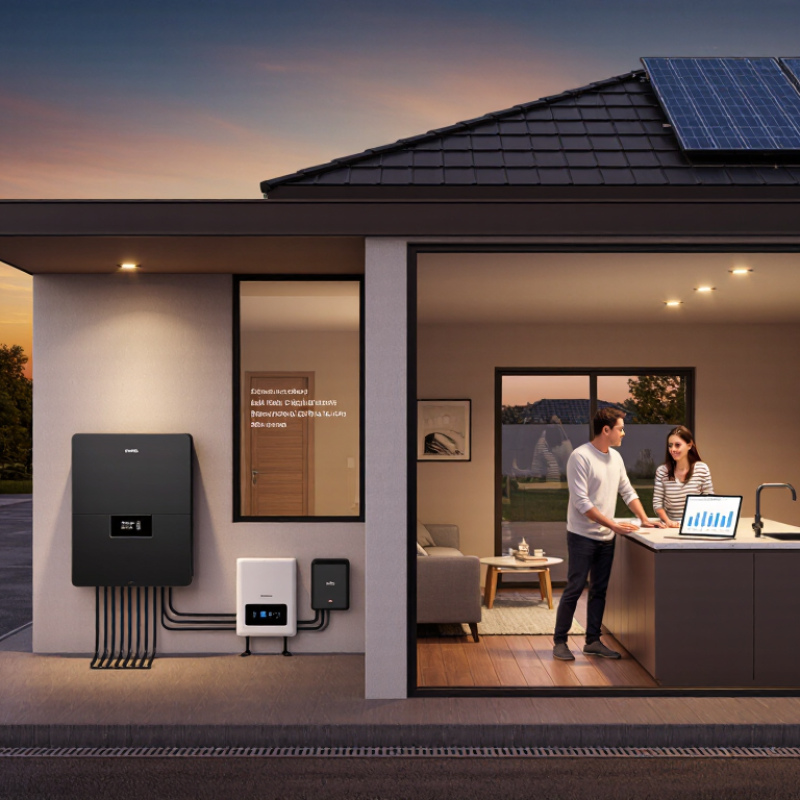
Before comparing battery capacity, list the appliances your household actually needs during an outage. A refrigerator, Wi-Fi router, a few lights, and a medical device may matter more than running every room as usual. Check each appliance’s wattage and expected daily use. A fridge may cycle on and off, so its label alone will not show its full energy demand. Keep a simple log for several days.
Then decide how long backup power should last and which circuits need it. A short evening outage calls for a different setup than a winter storm that could leave your home without power overnight. Note whether heating, cooling, or cooking depends on electricity. High-demand appliances can drain a battery quickly. Be realistic. “Everything, all night” is an easy plan to write and a harder one to support.
Also consider when you can recharge the system. Solar panels may help during daylight, but cloudy weather and seasonal changes affect production. If the battery must recharge from the grid, think about how often outages occur and how long they tend to last. Estimate with a margin, not a perfect forecast; household habits change, and appliance use is easy to misjudge. Recheck your list after a week. Small details matter, like whether the router must stay on in a back bedroom.
Understand Battery Types and Storage System Components
Choosing a home battery starts with its chemistry, not its advertised capacity. Lithium iron phosphate batteries generally offer long cycle life and strong thermal stability, but need more space for the same energy. Nickel-manganese-cobalt batteries pack more energy into a smaller unit. Lead-acid systems can cost less initially, yet often have shorter service lives and less usable capacity. Compare usable kilowatt-hours, warranty conditions, and expected cycle life. Small details matter.
The system also includes cells, a battery management system, an inverter, controls, and an enclosure. The management system monitors cell voltage and temperature; the inverter converts battery power for household use. Check whether it can provide backup power, and which circuits it can support. IEA’s Batteries and Secure Energy Transitions (2024) reports that global battery storage additions reached 42 GW in 2023, more than 130% above 2022. That growth signals a changing market, not a guarantee of local service support. Heat matters. A shaded, ventilated installation spot can help, but installation conditions and warranty terms deserve careful review. A tidy capacity figure alone can mislead.
How to Choose Domestic Battery Energy Storage in 2026
Understand battery types and storage system components by comparing typical round-trip efficiency ranges.
These indicative ranges are general industry estimates, not guarantees. Actual system efficiency varies with the battery, inverter, operating temperature, charge rate and system configuration.
Compare Capacity, Power Output, Efficiency, and Warranty
Choosing domestic battery storage in 2026 starts with the loads you need during an outage. The U.S. Energy Information Administration reports average household electricity use of about 10,500 kWh annually, or roughly 29 kWh daily. That average is only a starting point. A refrigerator, lights, and router need less energy than electric heating or cooking. List essential appliances and estimate their daily use before choosing capacity in kilowatt-hours. Then check power output in kilowatts: a battery may store enough energy but still struggle to run several large appliances at once. Startup surges matter, too.
Efficiency affects how much stored electricity reaches your home. NREL’s 2024 Annual Technology Baseline models lithium-ion storage at 85% round-trip efficiency for utility-scale systems. Treat that as a reference, not a promise for a residential unit; compare tested figures and ask whether standby losses are included. Small print matters. Review the warranty’s years, throughput limit, and retained-capacity guarantee. A ten-year term alone says little if the warranty permits limited energy cycling or excludes important operating conditions. Also confirm who handles service and what happens if the battery reaches its capacity threshold early. I would not size a system from one sunny week’s bills; seasonal use can make that estimate look tidy, and wrong.
How to Choose Domestic Battery Energy Storage in 2026 — Compare Capacity, Power Output, Efficiency, and Warranty
| Typical system size |
Usable capacity |
Continuous power output |
Typical AC round-trip efficiency |
Common warranty terms |
Potential fit |
| Compact |
About 5 kWh |
About 2–3 kW |
About 85–92% |
Often 10 years; check the capacity-retention and energy-throughput limits |
Essential loads or modest evening use |
| Standard |
About 10 kWh |
About 4–5 kW |
About 85–92% |
Often 10 years; terms may specify minimum retained capacity or warranted throughput |
Typical household load shifting or backup for selected circuits |
| Large |
About 15 kWh |
About 5–8 kW |
About 85–92% |
Often 10 years; verify whether the warranty covers the full system or only the battery |
Higher evening consumption or longer backup periods |
| High-capacity |
About 20 kWh |
About 8–10 kW |
About 85–92% |
Often 10 years; throughput caps, operating conditions, and installation requirements vary |
Large homes, heavier loads, or extended backup needs |
These are indicative ranges for common residential battery system configurations, not specifications for a particular product. Usable capacity, power, efficiency, and warranty terms vary by system and installation. Check the datasheet and warranty for continuous versus peak power, AC or DC efficiency measurement, usable capacity, retained-capacity thresholds, throughput limits, and backup compatibility.
Check Safety Standards, Installation Requirements, and Compatibility
Before choosing a home battery, check the exact system—not just the cell chemistry. UL 9540 covers energy storage system safety; UL 9540A evaluates fire propagation after thermal runaway. NFPA 855 addresses installation, while local codes and fire officials determine applicable requirements. Ask for current certificates and installation instructions. A product listing alone does not confirm that a specific layout is suitable.
Installation details matter. Confirm required clearances, wall strength, indoor or outdoor rating, temperature limits, and access for emergency responders. Check whether the proposed location leaves doors, walkways, and electrical panels unobstructed. IEA’s Batteries and Secure Energy Transitions (2024) reported that power-sector battery storage additions grew about 130% in 2023, reaching 42 GW. Rapid growth makes careful installation more important, not less. Paperwork can still be messy.
Compatibility can make or break the project. Match the battery’s voltage and inverter with existing solar equipment, backup circuits, and the home’s electrical service. Confirm how the system handles outages, communicates with the inverter, and limits exports if required by the utility. Ask the installer to document these settings. A tidy specification sheet can hide a mismatch; I would verify the wiring diagram against the actual equipment before signing off.